 Aditi Bhaduri
Is regime change afoot in Afghanistan? Four years after capturing Kabul, the Taliban has somewhat consolidated its hold on the country. There are hardly any pockets of resistance left. Much of the Afghan opposition is scattered across the globe. The most concentrated is in Tajikistan, where the leader of the National Resistance Front, Ahmed Masood, son of the late Tajik leader Ahmed Shah Massoud, more famously known as the Lion of Panjshir, is based, as are other members of the Front like former Vice-President Amrullah Saleh.
While much of the recent talk has been around building an inclusive government in Kabul, rumours about regime change have also been gaining traction. At the time of writing, the Special Envoys for Afghanistan of several regional countries are meeting in Tehran. This includes Pakistan, all five Central Asian countries, and Russia.
India is not participating in it; Afghanistan has also refused to join. The much-anticipated Pakistan-Taliban dialogue at the meeting is also not happening. For Iran, the stakes are high, but the ongoing Pakistan-Taliban conflict has again set the region on edge.Tehran has also alluded to disapproval of Kabul's position.
Most of Afghanistan's neighbours have come around to reconciling themselves with the inevitability of Taliban rule. The only exception, ironically, is Pakistan, which created and promoted the Taliban. Many of the insinuations about regime change have originated from there. But this time, Pakistan may find partners in the scattered Afghan opposition groups, as well as from other countries.
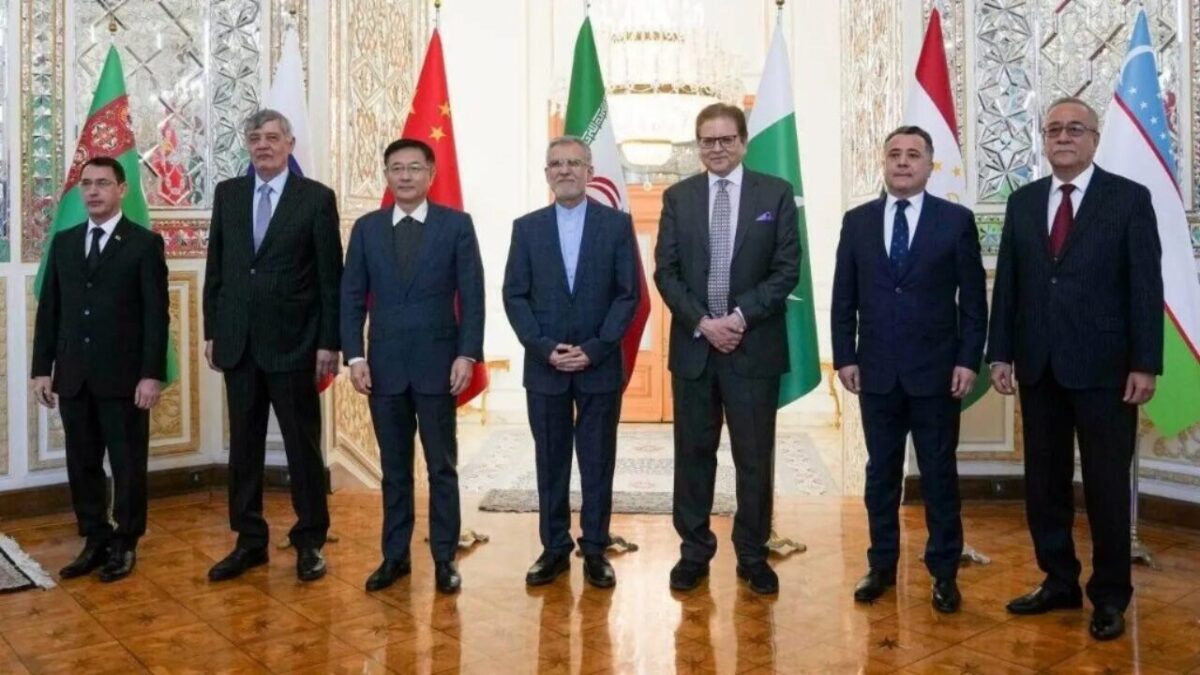 Regional leaders meeting over Afghanistan in Tehran
It all began with US President Donald Trump's demand that the Taliban hand over Bagram air base to the Americans. He even threatened that if the Taliban did not comply," bad things would happen" to it. Soon after, articles by Afghan authors began appearing in the American press, advocating for regime change and ways to facilitate the return of an American presence in the region.
For instance, an article in the National Interest by Abdullah Khenjani, the head of the Political Bureau of the National Resistance Front, advocated for the US to strengthen "resistance groups” (like the NRF) which was "an anti-Taliban resistance movement devoted to democratic principles, is composed mainly of former Afghan soldiers who fought alongside US and coalition forces against the Taliban and have continued the struggle even after America’s withdrawal and the fall of the republican government."
Another article in Fair Observer by a former Afghan diplomat, Ashraf Haidari, highlighted that almost 70 percent of people in Afghanistan require humanitarian assistance and blamed the Taliban for the crisis. He argues that "...aid alone cannot solve a crisis rooted in systemic collapse. Without political and economic reform, the situation will only deteriorate....... The Taliban will not reform themselves. Only meaningful external engagement — diplomatic and strategic — can disrupt this cycle."
Such writings are a clear call for external intervention once again in Afghanistan. But if till now, such writings were covert appeals to the US intervention in Afghanistan, these have since become more overt. In an open letter to the US President Donald Trump, General Abdul Raqib Mubariz, a former senior commander of Afghanistan’s security forces, has written that many former Afghan military personnel who are now refugees in the United States do not wish to remain in exile and prefer to go back and fight for their country’s liberation.
Condemning the recent attack carried out by an Afghan suspect in Washington, D.C., the former commander stressed that such incidents should not be attributed to the wider Afghan community, whose goal was not to stay in the United States but to see Washington play a role in enabling Afghanistan’s freedom.
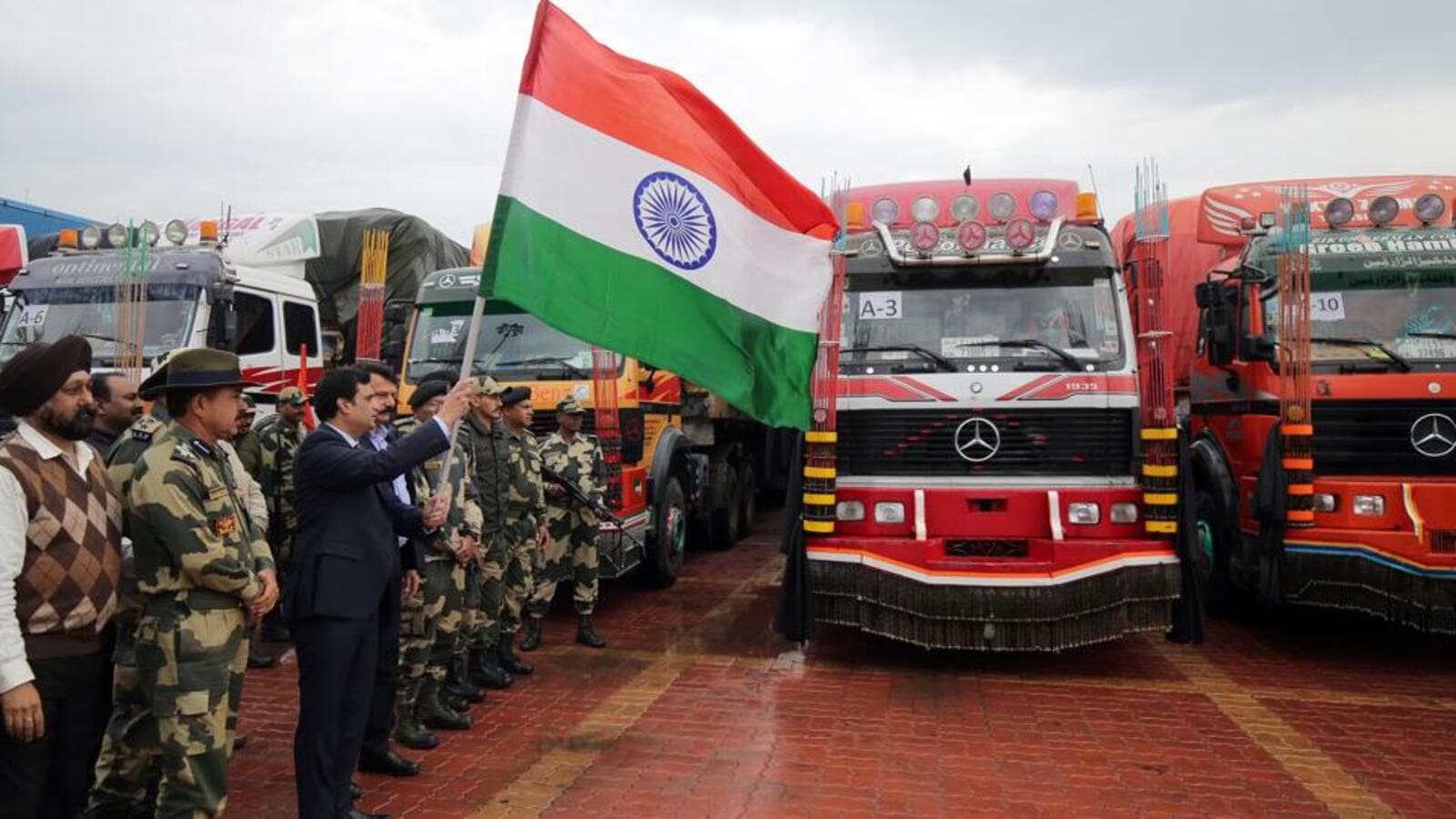
Indian humanitarian assitance for Afghanistan
Mubariz further wrote that this time, the battle will not require American soldiers on the ground, saying Afghans need only material and political support and are capable of fighting for their own freedom. He urged Trump to support Afghans seeking to reclaim their country.
And now words have coalesced into action. In early December, members of the Afghan opposition parties - Afghanistan Freedom Front, the National Resistance Front, women’s groups, and civil society activists met in Brussels with EU member states and officials from EU institutions. The meeting was facilitated by Independent Diplomat and the European Foundation for Democracy.
While few details about the meeting are available in the public domain, a report says that the organisers hope the launch of an “important political dialogue” will help generate solutions to Afghanistan’s political, security, and humanitarian crises. One can only imagine what the discussions were about.
More insidiously, over the weekend, Afghanistan Freedom Front (AFF) said it killed three Taliban fighters in a guerrilla attack in Fayzabad, the capital of Badakhshan province. The AFF is an armed movement opposed to the Taliban that emerged after the group returned to power, and whose stated intention is armed resistance against the Taliban and the establishment of a different political system in Afghanistan.
It says it is made up of former military personnel and political opponents of the Taliban. In a statement, the group said the attack targeted a Taliban reserve unit and wounded another member. There have been no comments from the Taliban on this.
Badakhshan is the region where two attacks were launched on Chinese workers engaged in infrastructural projects in neighbouring Afghanistan. Tajikistan which has held out for the longest time in engaging with the Taliban, had just begun normalising ties with it. The attacks, of course, helped strain bilateral relations.
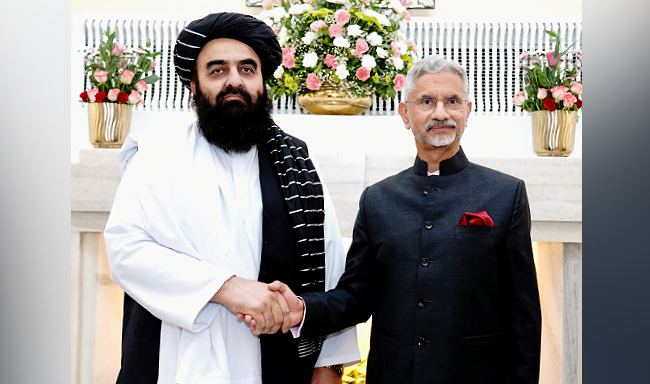
EAM Dr. S. Jaishankar met Mawlawi Amir Khan Muttaqi, Minister of Foreign Affairs of Afghanistan in New Delhi
All these developments point to the plans to destabilise the Taliban government. And this time, the Afghan opposition, which had long held Pakistan responsible for the rise of the Taliban, is finding common cause with it.
Pakistan has been engaging with both the NRF and the AF and hosted several Afghan opposition groups in Islamabad in October. That was the same time when the first Taliban Minister, Mullah Amir Khan Muttaqi, the Taliban foreign minister, visited Delhi. Tam Hussein of New Lines Magazine, quotes Pakistani military sources, "....the Rubicon was crossed when the Taliban’s foreign minister, Amir Khan Muttaqi, visited Delhi and was photographed alongside his Indian counterpart Subrahmanyam Jaishankar.....". Hussein writes, quoting sources that, "....with the Taliban cultivating closer ties with India, Islamabad is already planning regime change..."
It was during Muttaqi's Delhi visit that hostilities between Afghanistan and Pakistan broke out, with Pakistan launching air strikes inside Afghanistan. The hostilities have since continued incessantly.
ALSO READ: India must not react to Dhaka's proxy psychological warfare
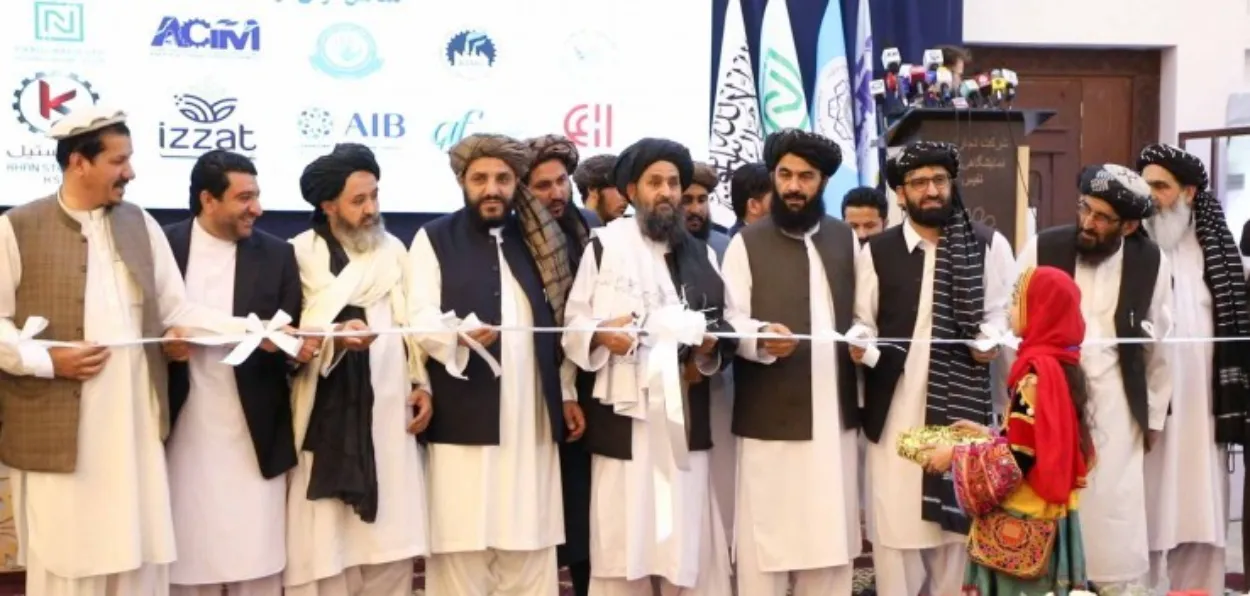
Now, a third Taliban Minister, Noor Jalal Jalali, in charge of the Ministry of Public Health, has recently visited Delhi, and all three visits are coming in quick succession. Regime change in Afghanistan may, therefore, take on greater urgency, especially in the background of India's warning that Operation Sindoor is not over.

.webp "Representational Image")







.webp "Kassim Ahmad")