 Vidushi Gaur
I was born and raised in Lucknow, a city where tehzeeb is not something you speak, it’s something you breathe. People here don’t just live side by side; they wrap their lives around one another like threads in the same embroidery. I grew up in a Hindu family, surrounded by rituals, customs and an unspoken sense of what our culture meant. But my upbringing, in its gentle way, kept whispering that hearts don’t really understand borders.
Unforgettable experiences
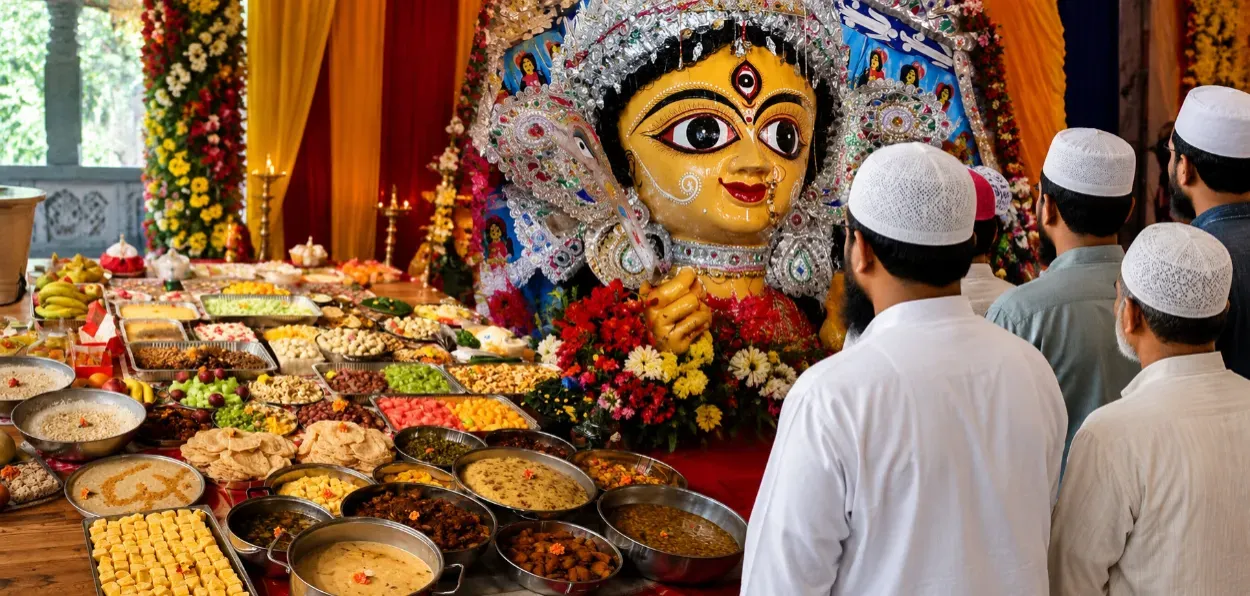
 AI-generated Image
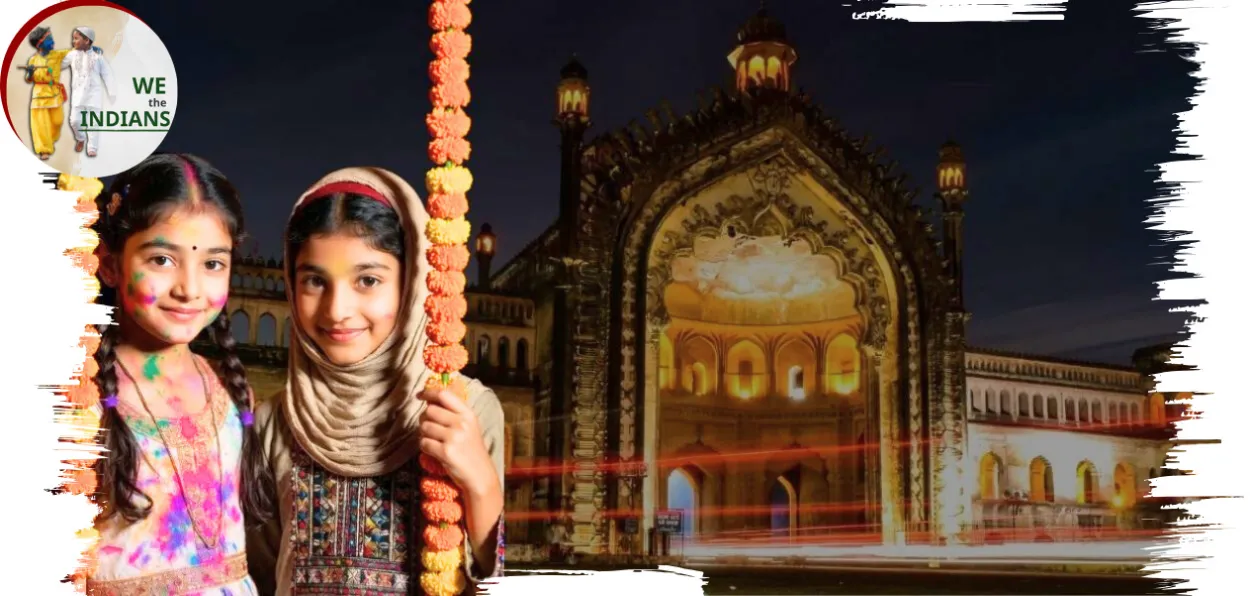
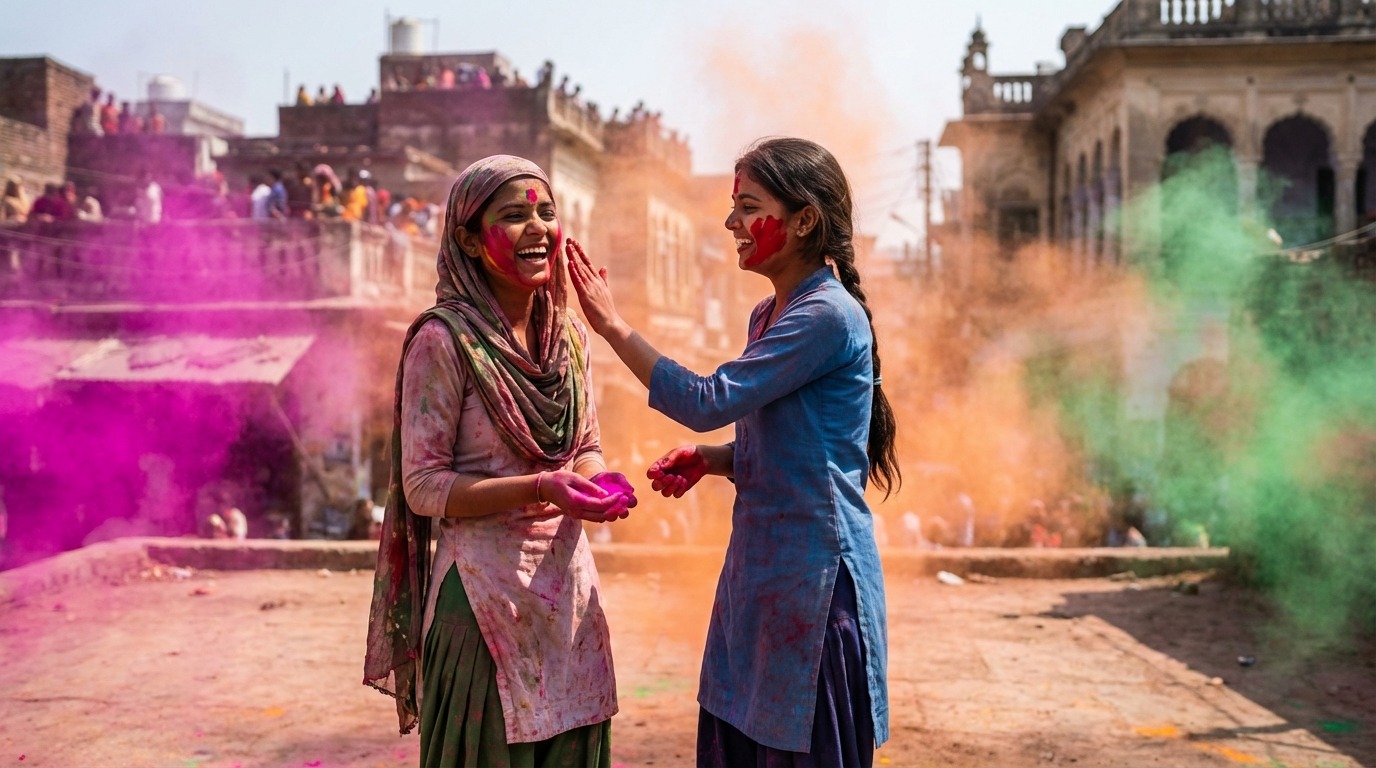
Childhood was simpler. On Holi, I chased my friend Aisha with gulaal flying in the air like confetti from the sky. She ran, laughing, grabbed alta from her mother’s cupboard, and smeared it across my face. Someone from a neighbouring roof shouted, “Ab toh dono ek jaisi lag rahi ho!” And we laughed until our stomachs hurt because that day, colour was the only identity we carried.
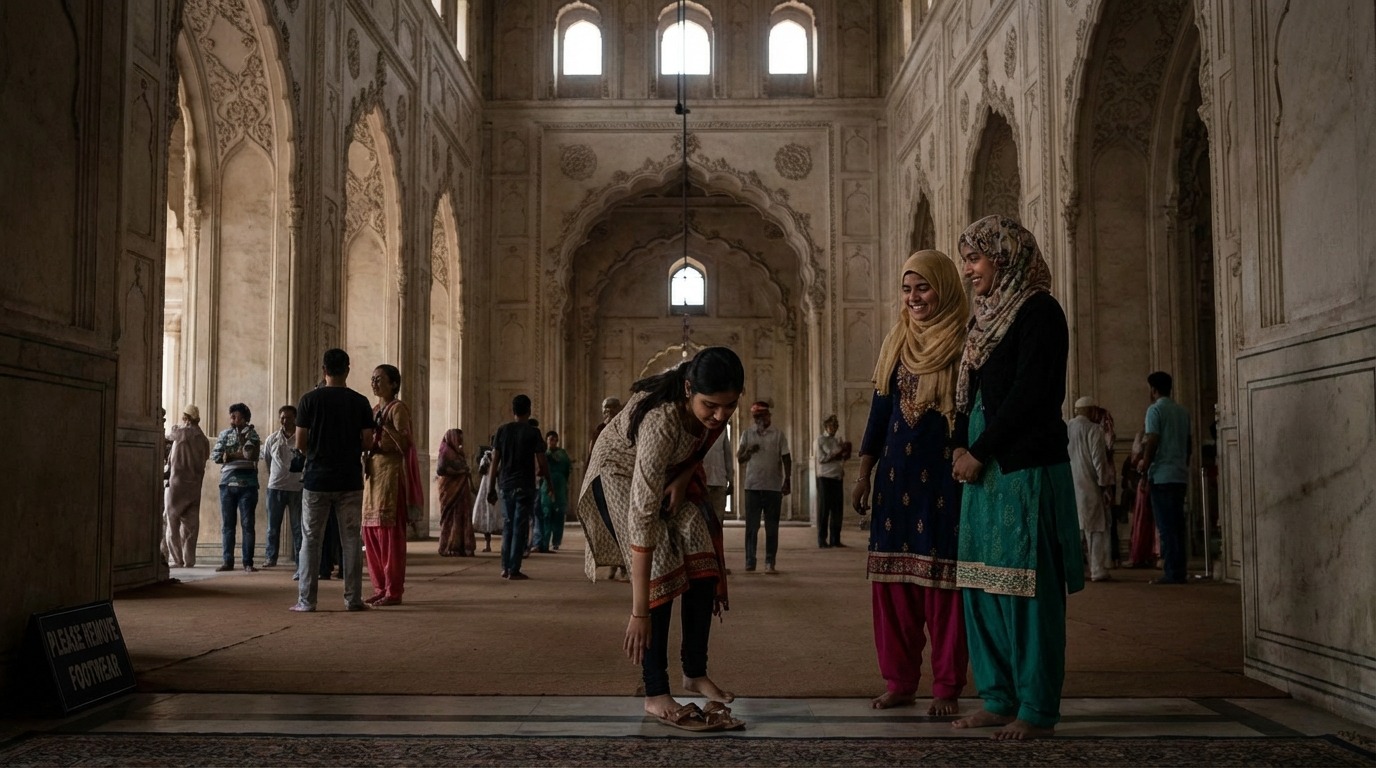
Growing older didn’t change the softness of Lucknow; it only gave it more depth. I remember visiting Bada Imambara with my college friends after an exam, mostly because we wanted to escape the heat. The moment we stepped inside, I took off my shoes instinctively. “You don’t have to,” Amaan Ahmad, my friend, whispered. “I know,” I replied. “But respect doesn’t wait for rules.” A few weeks later, when the Amaan stood in my home during a Sundar Kaand Puja, hands folded during the aarti, his voice quiet as he asked the relevance of prasaad, it felt like life had completed a circle without making any noise.
 AI-generated Image
But there is one memory that still warms my heart, even today. I was near Chowk one evening during Ramzaan. The first call of Maghrib floated through the air like silk, and within minutes, the shopkeepers laid out dates, water and fruits for iftar. A little boy, hardly eight, tapped my arm and said shyly, “Didi, roza kholne ka waqt ho gaya. Aap bhi baith jaiye.” I told him I wasn’t fasting. He shook his head with the certainty only a child can have. “Koi baat nahi. Allah sabko dawat deta hai.”
And so I sat, one girl among strangers who didn’t feel like strangers at all, and shared a date that tasted sweeter than anything I had eaten before. I realised then that warmth isn’t loud. It only takes a small gesture, an offer, a smile, a seat, to melt fear before it even forms.
Lucknow never erased differences. It wrapped them in affection. Here, it’s normal for a janaza to wait so a baraat can pass. For a qawwali from a dargah to blend with aarti bells from a pandal across the street. For people to send gulab jamun to their staff on Diwali and close shop early on Eid because “family should eat together.”
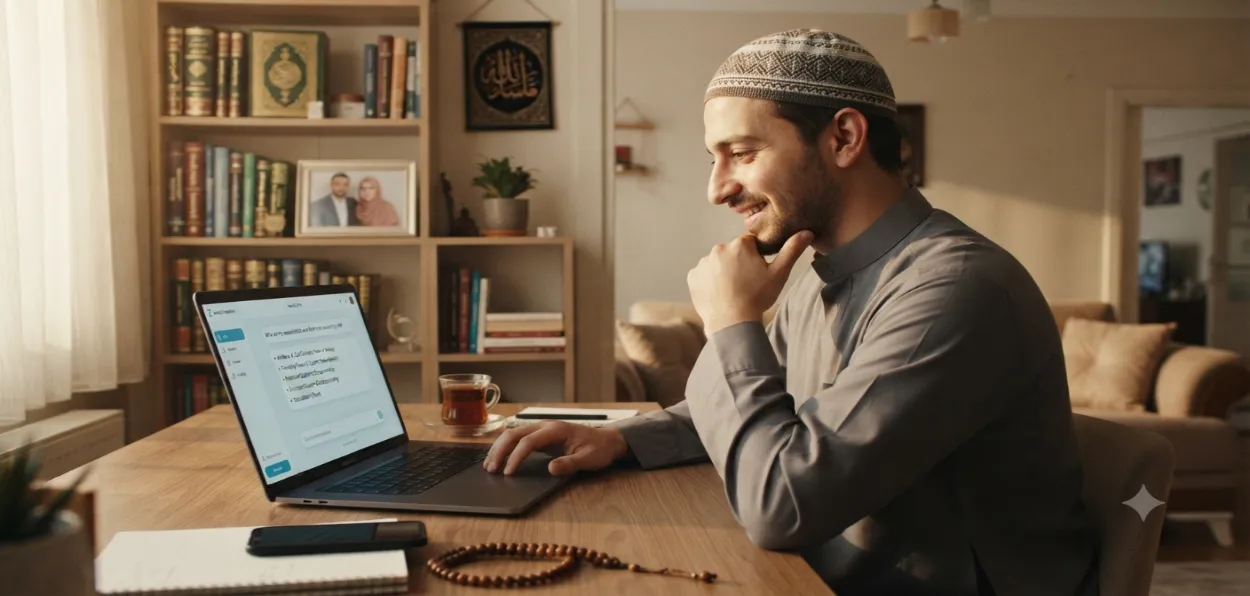
 AI-generated Image
People ask me why I believe in togetherness so deeply. I never know how to explain it fully. Maybe because my childhood smelled of both agarbatti and ittar. Because the first words I learned of gratitude came in two languages, shukriya and dhanyavaad. Because every memory I carry from Lucknow holds two hands intertwined, not two sides divided. I didn’t learn love for differences from books or speeches.
READ MORE: When neighbours saved my family and firmed my faith in inclusive India
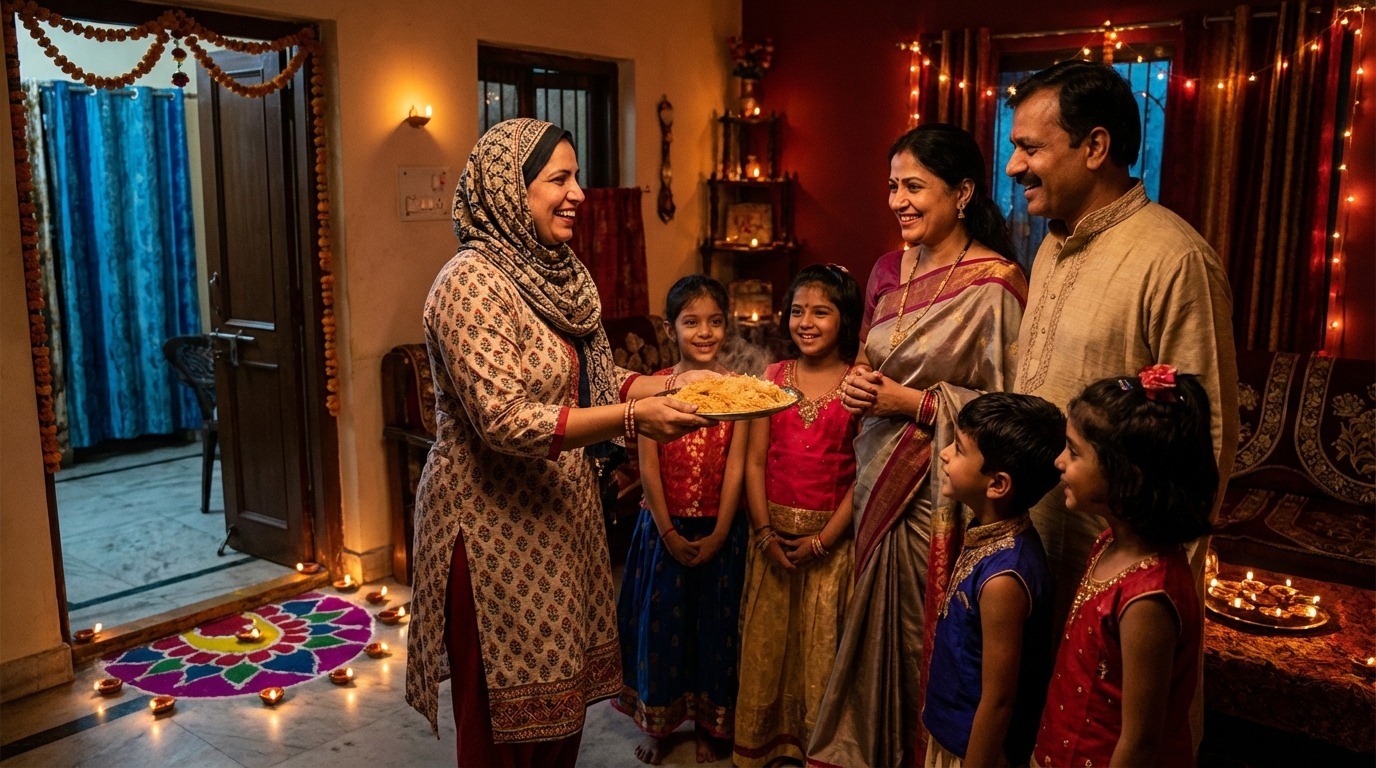
I learned it from steaming sevaiyan on Diwali evenings The city raised me gently, and in its quiet way it taught me something precious: peace is not when we all become the same. Peace is when we choose to belong to one another despite being different.
Readers are welcome to share their experiences of communal harmony or interreligious friendship on [email protected] for publication - Editor

.jpg "Gujarat’s women entrepreneurs bring their craftsmanship to life during Navratri")









.webp)