Arsala Khan/New Delhi
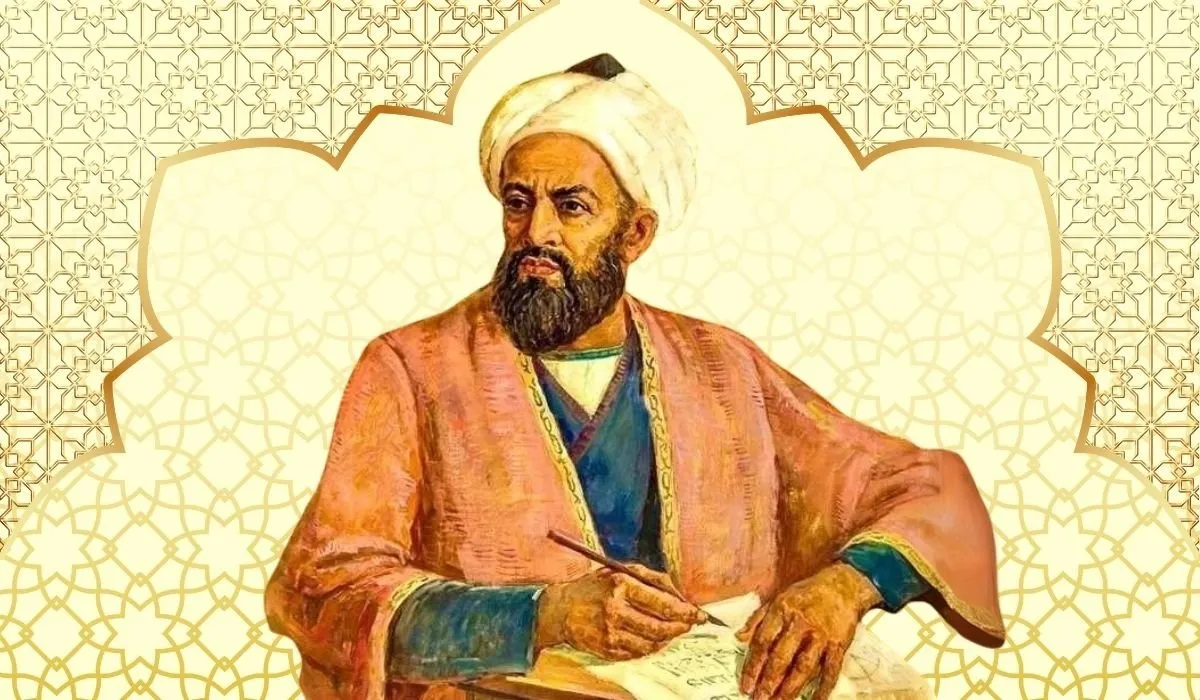
Fasting is not merely abstaining from food and water; it is a profound process of spiritual and moral refinement. The renowned Islamic scholar and Sufi philosopher Abu Hamid al-Ghazali, in his celebrated work Ihya Ulum al-Din, describes three distinct levels of fasting.
According to him, not every Muslim’s fast is the same; rather, fasting can be classified into three categories depending on its spiritual depth and the intention behind it.
According to Imam al-Ghazali, the first level of fasting is "Saum al-Umum," meaning the fast of the common people. This is considered the most common stage of fasting. In this stage, a person abstains from food, drink, and physical desires from sunrise to sunset.
At this stage, the person fasting fulfils the apparent requirements of fasting according to the Sharia.
Rani Safvi, a renowned author, has listed and explained all this in a video posted on X, which has gone viral on X and Instagram:
Most people abstain from eating and drinking, but sometimes their tongues, eyes, and hearts are not free of sin. According to Imam al-Ghazali, this is the lowest level of fasting, fulfilling the obligation but not achieving the full spiritual depth of fasting.
The second level of fasting is Saum al-Khusus, the fast of the special people. This is the fast of those who strive to protect not only food and drink but also every part of their body from sin.
The person fasting at this level restrains his eyes from seeing wrong things, his tongue from lies, abuse, gossip, and useless talk, and his ears from hearing wrong things.
He also keeps his hands and feet away from all kinds of wrongdoing. Thus, his fast not only affects the physical but also the moral and spiritual levels. Imam al-Ghazali believed that this fast leads a person to self-restraint and piety, which is the true purpose of Ramadan.
The third and highest level of fasting is Saum Khasus al-Khusus, meaning the fast of the most special people. It is also called the complete or perfect fast.
At this level, a person not only protects his body and limbs from sinning, but also keeps his mind away from all worldly desires and evil thoughts. A fasting person is focused on the worship of Allah and the spiritual path. This fast is considered the state of Sufi saints and extremely devout people.
This idea of Imam al-Ghazali reflects the depth of Islamic spirituality. According to him, the true purpose of fasting is not merely to endure hunger and thirst, but to develop moral discipline, self-control, and devotion to God within the individual. The month of Ramzan provides an opportunity for individuals to introspect and recognize their weaknesses.
This is why Muslims also actively participate in charitable activities.


















.webp)