Malick Asghar Hashmi/New Delhi
India and Pakistan’s clash in the T20 World Cup match in Colombo on February 15 promises to be a high-voltage affair, but more importantly, cricket fans and experts are even more eager to see Pakistan’s newest cricketing talent, Usman Tariq, unleash his skills on the field.
Usman Tariq is Pakistanis off-spinner who played a splendid game against the US team in the tournament in Colombo.
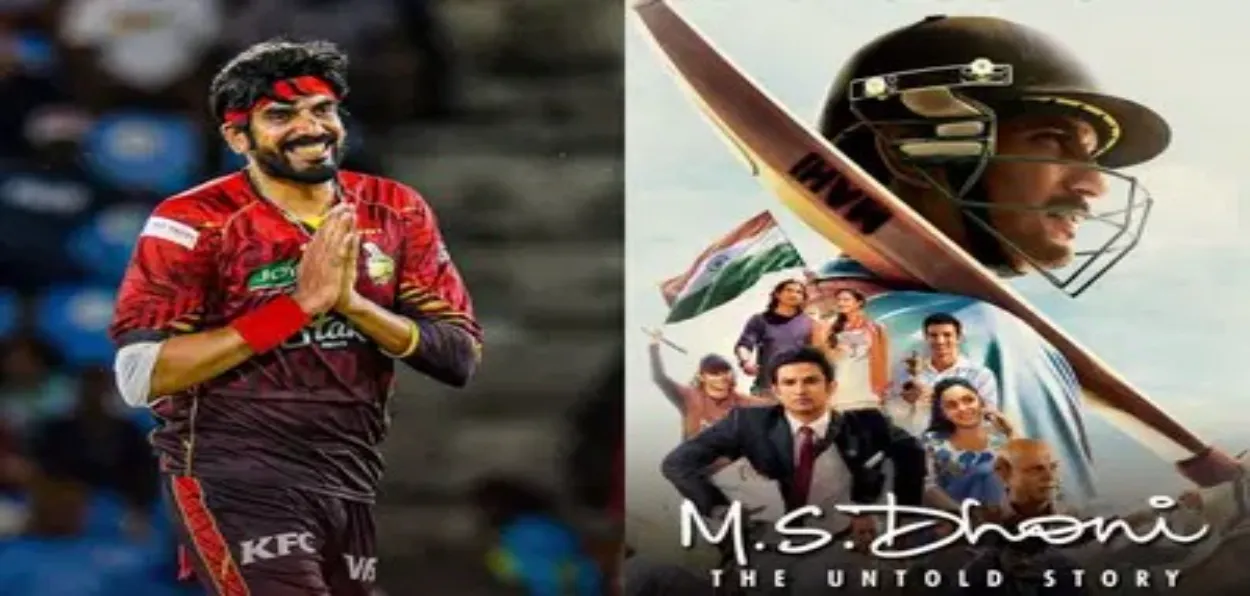
Interestingly, Usman Tariq's life changed after he saw the Bollywood film MS Dhoni: The Untold Story, based on the life of legendary Indian cricket captain Mahendra Singh Dhoni.
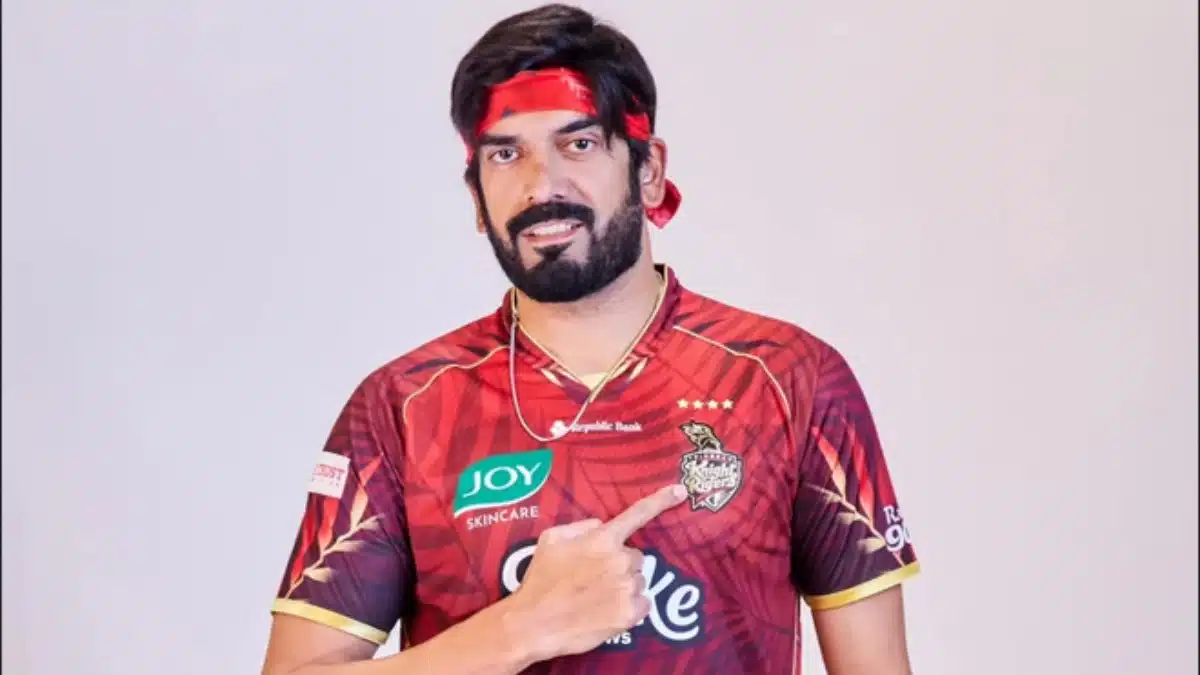 Usman Tariq
As of today, Usman Tariq is proving to be Pakistan's trump card in the ongoing ICC Men's T20 World Cup.
Taking a hat-trick in his debut T20 match against the United States, he not only changed the course of the match but also stunned the cricket fraternity. Three weeks ago, few would have imagined he would make it to Pakistan's final squad, but today, he remains a mystery player, feared by rival teams.
Usman was born in the Nowshera area of Khyber Pakhtunkhwa into a family with small means. Passionate about cricket since his childhood, he had to share the responsibility of providing for his family at an early age.
Playing cricket in Peshawar, he dreamed of playing at a higher level, but due to his circumstances, he felt it was beyond his reach. He had to feed his family and therefore gave up his passion. He moved to Afghanistan and then to Islamabad in search of a job. He did odd jobs from chopping vegetables to working as a daily wage labourer in a hotel in the capital.
Finally, he moved to the United Arab Emirates to work as an unskilled labourer. He was earning well and his family’s life improved.
He was away from cricket till one day, he watched MS Dhoni: The Untold Story. The scene in the film, in which Dhoni, sitting on a railway platform, decides to take another chance amid uncertainty, touched Usman's heart.
He felt that if Dhoni could make a comeback despite his struggles, why couldn't he? This was the life-changing moment for him.
Usman decided to give cricket one last chance. He returned to Pakistan, worked hard in domestic cricket, and caught the attention of selectors. He made his international debut in the series against South Africa last November. Debuting at the age of 28, the saying "better late than never" suits him perfectly.
What is special about Usman Tariq’s cricket that makes rivals sit up and take note? His bowling style is unconventional; his run-up is short, he approaches the crease in a slight zigzag pattern, and pauses for a moment just before releasing the ball.
His "pause" makes batsmen uneasy. He is unpredictable for them. They can’t make out what angle the ball will come from. Furthermore, his elbow joint is uniquely structured, and at times he has been accused of having an elbow bend beyond the 15-degree.
He was reported twice during the Pakistan Super League, but was cleared both times. Usman maintains that his arm structure is a congenital condition, colloquially known as "double-jointed."
Similar cases have occurred in cricket history. Sri Lanka's legendary off-spinner Muttiah Muralitharan faced similar doubts. In 1999, he was cleared of his legitimacy after an examination by Australian scientists, although his dispute with umpire Darrell Hair was widely publicised at the time.
The case of Pakistani fast bowler Shoaib Akhtar was different. His flexible arm, known as the "noodle arm," and his rapid pace raised numerous questions. Eventually, the 15-degree rule was implemented, and his career took off at a new pace.
The debate over Usman's case continues today, but only the International Cricket Council's authorised testing center has the final say. Veteran Indian off-spinner Ravichandran Ashwin argued on social media that on-field umpires cannot visually measure the 15-degree limit.
According to him, it is unfair to accuse a bowler of a "grey area" unless scientific testing suggests otherwise. Ashwin also justified Usman's pause in his run-up, arguing that it was his regular action and not a sudden change.
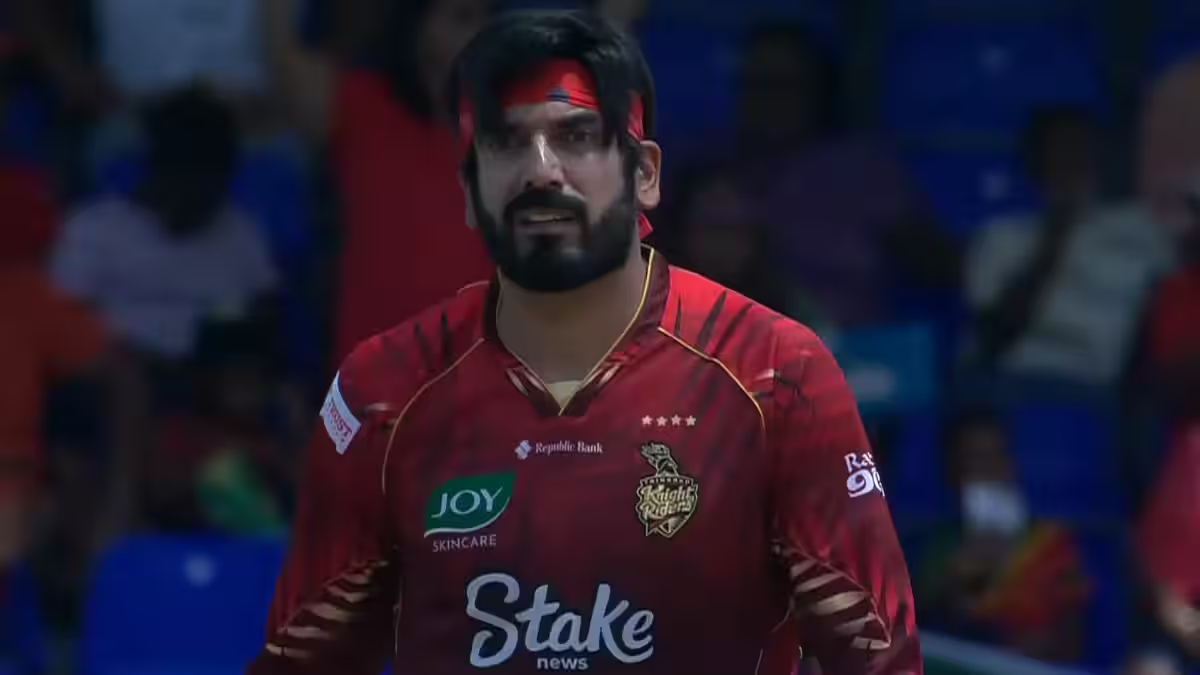
His performance of 3/27 in four overs against the USA has already shown that he does not lose his composure even under pressure. After the match, he said, "I am not under pressure regarding my action; the pressure will be on India." This statement hints at the intensity of the upcoming match.
The pitches in Colombo have often favoured spinners, and in such a situation, Usman's role becomes even more important.
>










_(1).webp)
.webp)