New Delhi
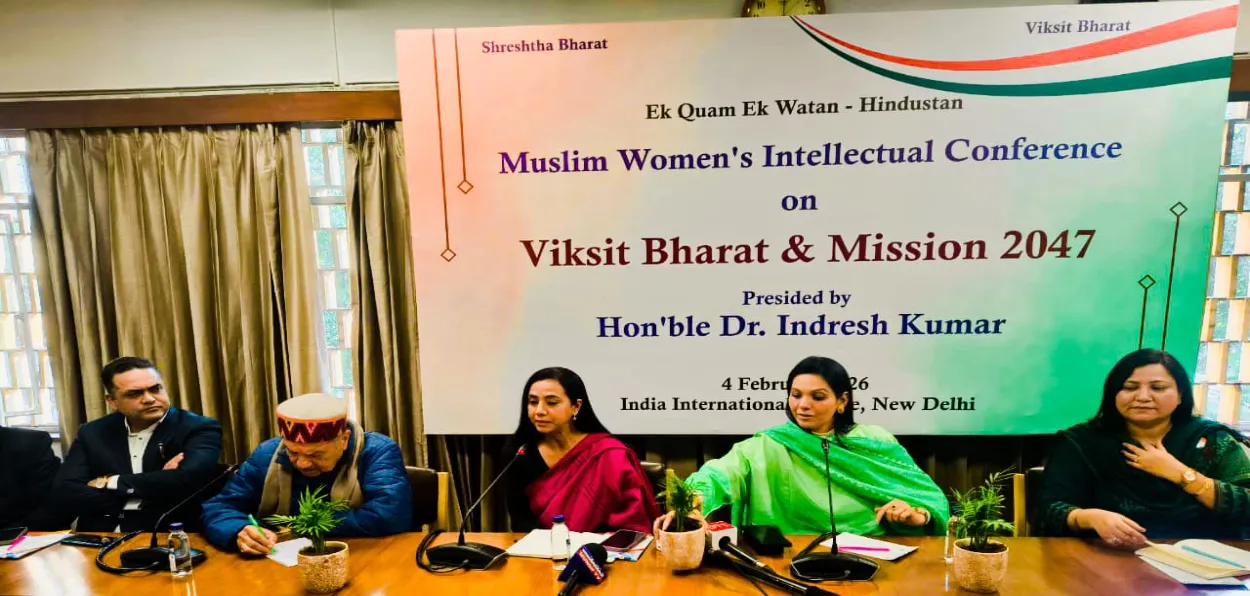
The Muslim Women Intellectual Conference, convened around the vision of a Developed India and Mission 2047, rose far above the contours of a routine seminar. Held in New Delhi, the gathering became a serious, forward-looking platform for reflection, dialogue, and resolution on the nation's, society's, and future generations' futures.
The conference brought together nearly 100 educated, aware, and confident Muslim women from across India—doctors, engineers, scientists, academicians, researchers, and social workers—who shared lived experiences and voiced an unambiguous commitment to nation-building.
Dr Indresh Kumar, National Executive Member of the RSS and Patron of the Muslim Rashtriya Manch, chaired the meeting.
Other leading Muslims who attended the conference included Dr Shahid Akhtar, the Ministry of Education’s NCMEI; Colonel Tahir Mustafa, Jamia Hamdard University; Naghma Sahar, journalist; Dr Shalini Ali, social worker; Sabiha Naz, Waqf Board member; Dr Shaista and Dr Asra Akhtar.
.jpeg) Muslim women's conference
Muslim women's conference
Addressing the conference, Indresh Kumar said India’s Muslims are not tenants—they are the rightful landlords of this land. He asserted that those who chose India as their homeland after 1947 were Indian then, are Indian today and will remain Indians forever.
“The bond between Muslims and India is not merely of residence but of love, responsibility, and belonging. While acknowledging the existence of divisive elements,” he said.
Kumar cautioned against allowing a fringe to dominate the narrative. “Our focus must remain on our children, our future, and the nation’s tomorrow.”
Highlighting the key role women play in shaping the country’s destiny, Dr Kumar linked the future of India directly to children’s education, with women as its strongest pillar. He called for absolute equality between sons and daughters and urged families to prioritise education even at the cost of personal comforts.
Kumar noted that religious learning nurtures humanity, values, and brotherhood, while secular education equips citizens with skills to contribute meaningfully to national development. Honest contribution according to one’s capacity, he said, is the surest path to a Developed India.
Naghma Sahar described education as life’s most powerful force, with no substitute. She observed that Muslim women professionals even surpass their male counterparts in dedication. Addressing concerns around marriage prospects for highly educated women, she was categorical: the solution is not to limit education but to push further ahead. Merit, she said, is the true measure of progress—religion must never be a barrier.
ALSO READ: Teacher Irfana Tabassum revives defunct schools in Kashmir
The conference concluded with a powerful, uplifting message on education, patriotism, social harmony, and women’s empowerment—clear proof that Muslim women are prepared to stride shoulder-to-shoulder with responsibility and resolve in building a Developed India.

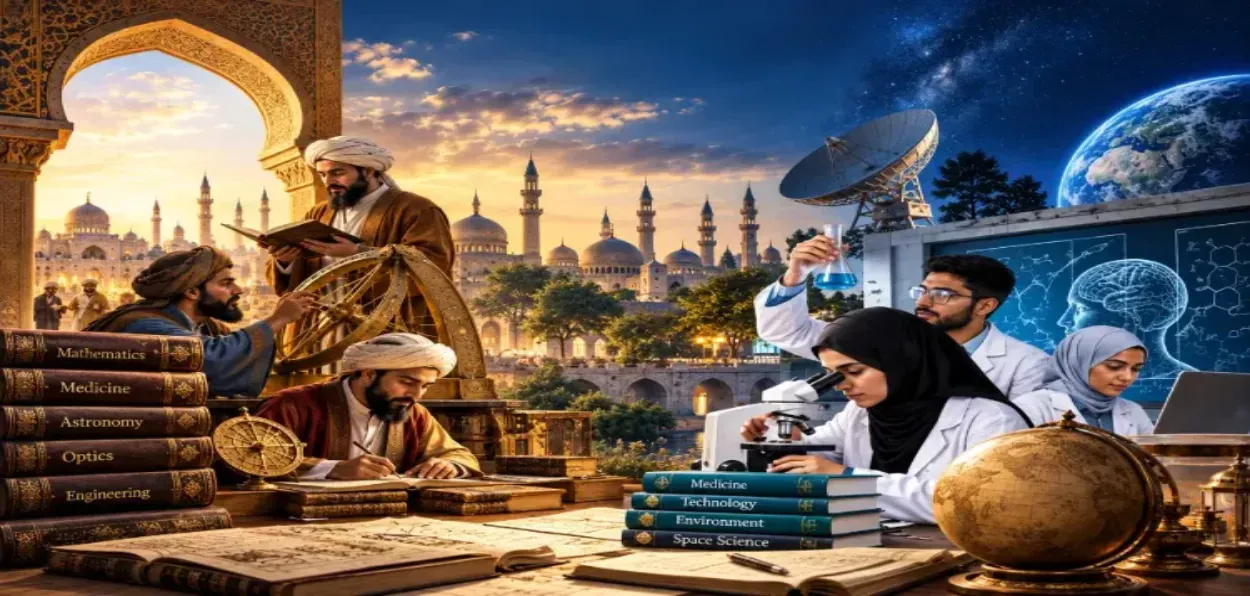
.webp "Representational Image")









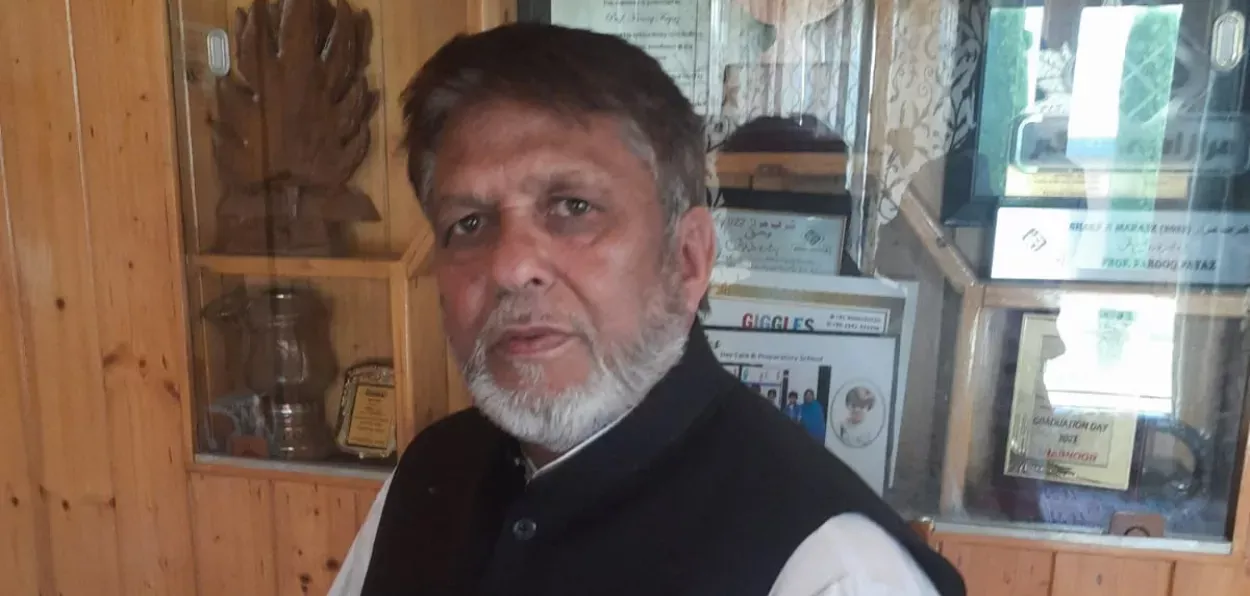
.webp)