Sao Paulo (Brazil)
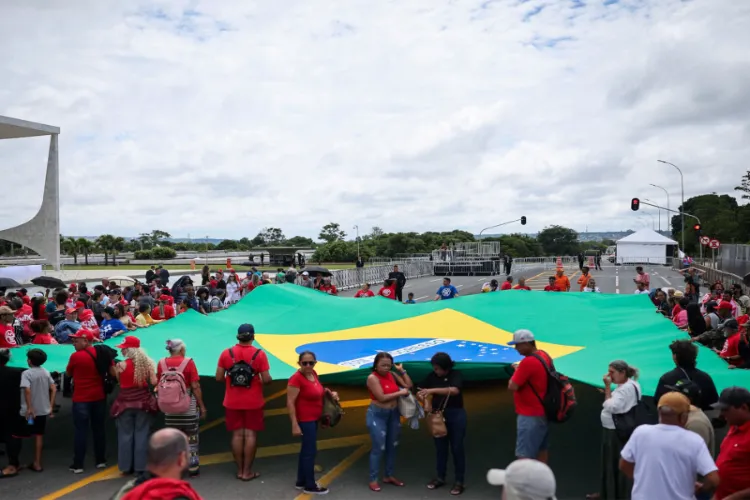
Brazil is seeking to deepen pharmaceutical cooperation with India as Health Minister Alexandre Padilha accompanies President Luiz Inacio Lula da Silva on an official visit aimed at securing agreements for local production of generic medicines and technology transfer to national laboratories, as reported by brasil 247.
The initiative comes days after the launch of the Brazilian Association of the Indian Pharmaceutical Industry in Brasilia, intended to act as an institutional bridge between Indian drugmakers and the Brazilian market by facilitating partnerships, investments and regulatory compliance.
Padilha said Brazil -- currently the largest consumer market for Indian healthcare products -- now wants to shift from a buyer-seller relationship to a production partnership. The plan focuses on attracting factories, encouraging joint ventures and localising the manufacturing of active pharmaceutical ingredients (APIs), the core substances responsible for a medicine's therapeutic effect. Much of Brazil's API supply is imported, mainly from Asia.
Officials believe domestic production would reduce external dependence, strengthen health security and generate higher value industrial jobs while lowering costs for consumers and the public healthcare system.
India's envoy to Brazil highlighted the Asian country's role as a major global supplier of generic medicines, often described as the "pharmacy of the world," and said companies are keen to expand operations in Brazil.
READ MORE: Ramzan and Lent begin the same day signaling unity of religions
The delegation also includes representatives from Brazil's health regulator and public research institutions, signalling cooperation beyond trade. Talks are expected to cover regulatory harmonisation, faster drug approvals and partnerships involving AI-enabled smart hospitals and digital health technologies.
The pharmaceutical agenda forms part of a broader strategic engagement between the two major Global South economies and BRICS partners. If agreements materialise, Brazil hopes to combine lower medicine prices with strengthened domestic industry and long-term technological capacity.


.webp "Representational Image")






.webp "Iranian President Masoud Pezeshkian")

_(1).webp)