.webp "Iran Protest")
Ashhar Alam | New Delhi
Iran is witnessing its most violent suppression of dissent since the 1979 Islamic Revolution, with the full scale of the bloodshed emerging slowly as authorities enforce a sweeping internet blackout.
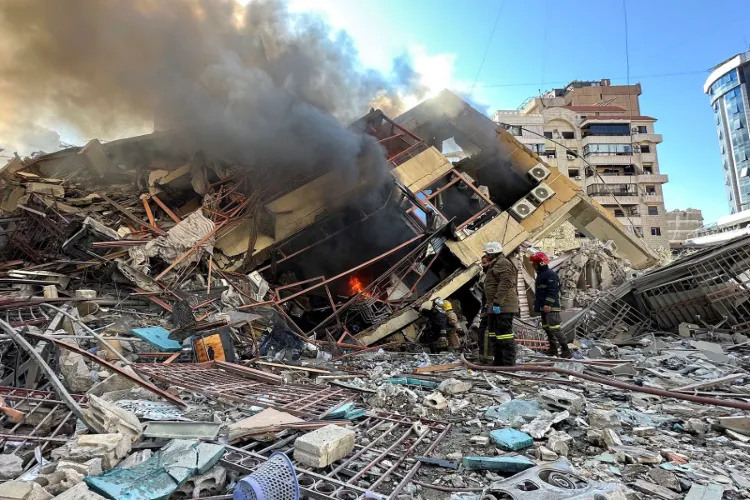
Across cities and towns, the air is thick with smoke. Burnt mosques, damaged government offices and torched banks line the streets. ATMs lie smashed, and officials estimate losses of at least USD 125 million, based on state media reports from more than 20 cities.
Activists say the death toll among demonstrators continues to rise sharply. Rights groups allege security forces have used unprecedented force firing from rooftops, shooting birdshot into crowds and deploying motorcycle-mounted Revolutionary Guard volunteers to beat and detain protesters.
“The vast majority of protesters were peaceful,” said Raha Bahreini of Amnesty International, citing video footage showing families and children chanting and marching. “Authorities have opened fire unlawfully.”
The unrest began on December 28 at Tehran’s Grand Bazaar over the collapse of the rial, before spreading nationwide. Protests surged again on January 8 after calls by exiled crown prince Reza Pahlavi, with witnesses describing tens of thousands on the streets before communications were cut. As phones went silent, gunfire echoed across Tehran.
Interior ministry officials later acknowledged that more than 400 cities were affected. State TV broadcasts warned families to keep children indoors, as mosques and Basij volunteer bases were mobilised to crush the demonstrations.
Experts say the leadership, already weakened after last year’s conflict with Israel, viewed the protests as an existential threat and opted for overwhelming violence. “They turned out the lights and used lethal force to end it,” said Afshon Ostovar, a Revolutionary Guard expert.
Videos circulating despite the blackout show Basij members and riot police armed with rifles, pellet guns and batons. Hospitals in Tehran, including the Farabi Eye Hospital, reportedly called in all available doctors as scores suffered severe gunshot and eye injuries.
After two weeks of silence, the government said 3,117 people were killed, a figure disputed by rights groups, which place the toll above 5,000, mostly demonstrators. Mass arrests continue, with hundreds detained daily, alongside a near-total shutdown of the internet.
ALSO READ: INA represented the real idea of secular India
With memorials traditionally held 40 days after deaths, activists warn fresh protests could erupt in mid-February. Footage from Tehran’s Behesht-e Zahra cemetery shows mourners chanting anti-regime slogans as burial sites fill.
What They Say in Front of the Cameras
— The Persian Jewess (@persianjewess) January 24, 2026
vs.
What They Do During the Internet Blackout
17,000+ Iranians murdered
330,000+ Iranians injured
50,000+ Iranians arrested
Free Iran. pic.twitter.com/7hnER1WZhg
As uncertainty grows over possible US military action, one journalist summed up the national mood starkly: “The city smells of death. A whole country is in mourning.”