Tehran (Iran)
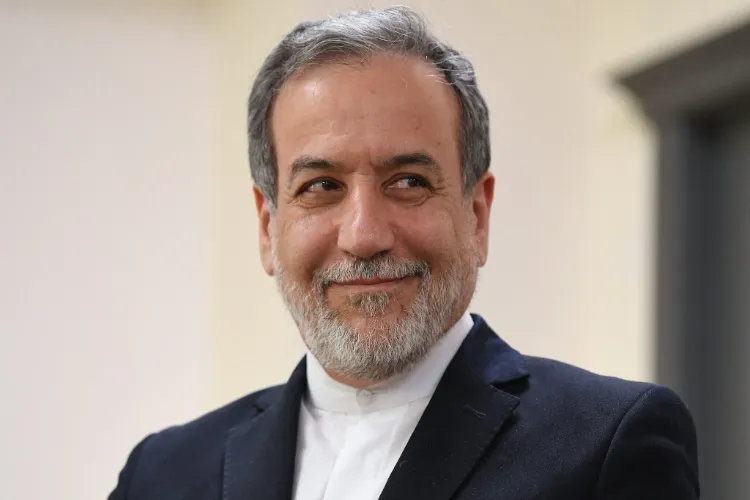
Iran's Foreign Minister said on Wednesday that a potential agreement with the United States aimed at averting conflict "is within reach, but only if diplomacy is given priority."
In a post on X, he wrote, "Pillared on the understandings forged in the previous round, Iran will resume talks with the U.S. in Geneva with a determination to achieve a fair and equitable deal--in the shortest possible time. Our fundamental convictions are crystal clear: Iran will under no circumstances ever develop a nuclear weapon; neither will we Iranians ever forgo our right to harness the dividends of peaceful nuclear technology for our people. We have a historic opportunity to strike an unprecedented agreement that addresses mutual concerns and achieves mutual interests. A deal is within reach, but only if diplomacy is given priority. We have proven that we will stop at nothing to guard our sovereignty with courage. We bring the same courage to the negotiating table, where we will pursue a peaceful resolution to any differences."
1/4 Pillared on the understandings forged in the previous round, Iran will resume talks with the U.S. in Geneva with a determination to achieve a fair and equitable deal—in the shortest possible time.
— Seyed Abbas Araghchi (@araghchi) February 24, 2026
Iranian Foreign Minister Abbas Araghchi made the comments on the eve of what would be the third round of bilateral talks this month, stressing that both nations have a "historic opportunity to strike an unprecedented agreement that addresses mutual concerns and achieves mutual interests," according to his post on social media.
In the same message, Araghchi reaffirmed that Iran remains "crystal clear" that it would "under no circumstances ever develop a nuclear weapon" while also recognising the right of its citizens to benefit from peaceful nuclear technology.
The Geneva talks are being facilitated in part through Oman, which has acted as an intermediary between Tehran and Washington since the resumption of negotiations earlier this month. US envoys Steve Witkoff and Jared Kushner are expected to lead the American delegation.
Araghchi's statement comes against a backdrop of significant US military movement in the region, including the transit of a second aircraft carrier toward the Middle East, a visible sign of US readiness to pressure Tehran, should diplomacy falter.
Iran's Revolutionary Guard Corps (IRGC) has also conducted military drills in the country's south, declaring it has constructed a "strong fortress" in the area.
The internal mood in Iran, as reported by Al Jazeera correspondents in Tehran, reflects a mix of fear over a possible war given the US military build-up and fragile hope for a diplomatic breakthrough. There have been recent protests in major universities and cities, partly driven by economic hardships, which add to the public's complex view of the current crisis.
Ahead of these talks, Iranian Deputy Foreign Minister Majid Takht-Ravanchi also said Tehran was prepared to take whatever steps were necessary to achieve a deal swiftly and with "complete honesty and good faith," reflecting a broader official willingness to negotiate.
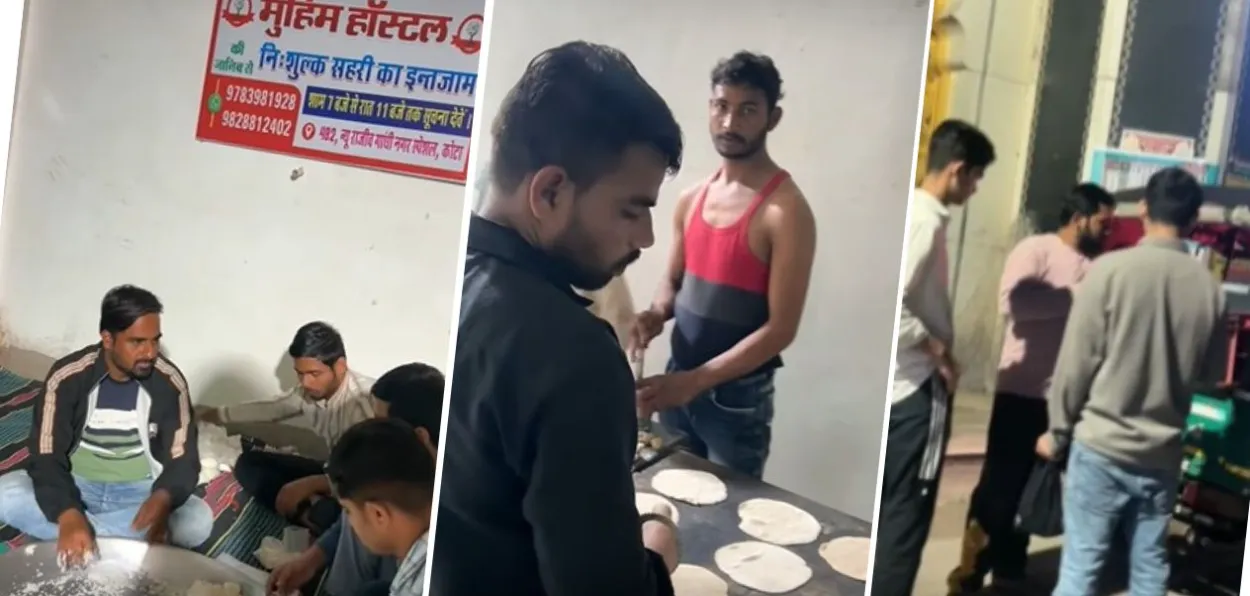
READ MORE: Non-Muslim volunteers cook sheri for fasting Muslim students of Kota
However, the negotiations remain fraught. One proposal reportedly under consideration involves Iran sending half of its highly enriched uranium abroad, diluting the remainder, and participating in a regional enrichment consortium -- a move Tehran sees as balancing its sovereign rights with international security concerns -- in exchange for US recognition of Iran's right to peaceful nuclear enrichment and sanctions relief.
As both sides prepare to resume dialogue in Geneva, it remains unclear whether diplomatic efforts will overcome deep-seated disagreements, particularly over nuclear enrichment and regional security issues.







.webp)