Dubai
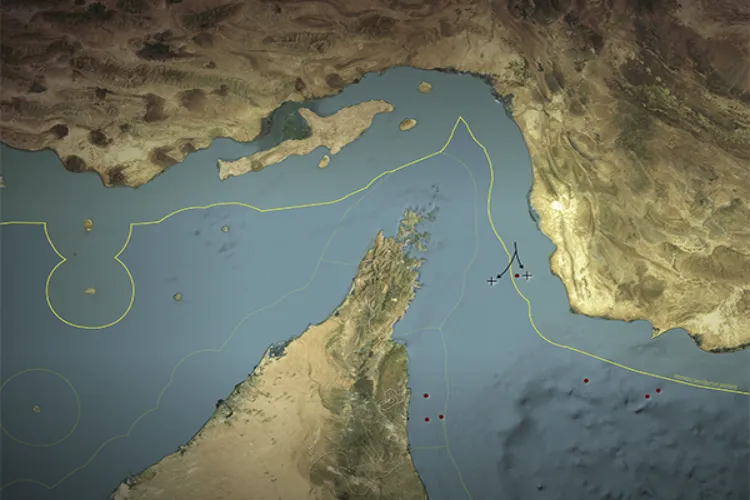
Iranian semi-official media outlets have published a chart suggesting that the country’s paramilitary forces may have deployed sea mines in the strategically vital Strait of Hormuz during the recent conflict, raising fresh concerns amid a fragile ceasefire.
The graphic, shared by agencies such as ISNA and Tasnim News Agency, appeared to indicate a “danger zone” along key shipping lanes used for global oil and gas transport. The strait is a critical chokepoint through which roughly one-fifth of the world’s traded energy supplies pass.
The chart suggested that vessels may have been rerouted closer to Iran’s coastline near Larak Island during the conflict. However, it remains unclear whether any such mines have since been cleared.
Market reaction reflected ongoing uncertainty, with global oil prices rising again above $97 per barrel, while Asian equities traded lower amid doubts over the durability of the ceasefire.
Meanwhile, Donald Trump said US military forces would maintain a strong presence in the region until a final agreement is fully implemented. In a statement, he warned of severe consequences if the terms of the ceasefire are not upheld, while also asserting that Iran would not be allowed to develop nuclear weapons and that the Strait of Hormuz would remain open.
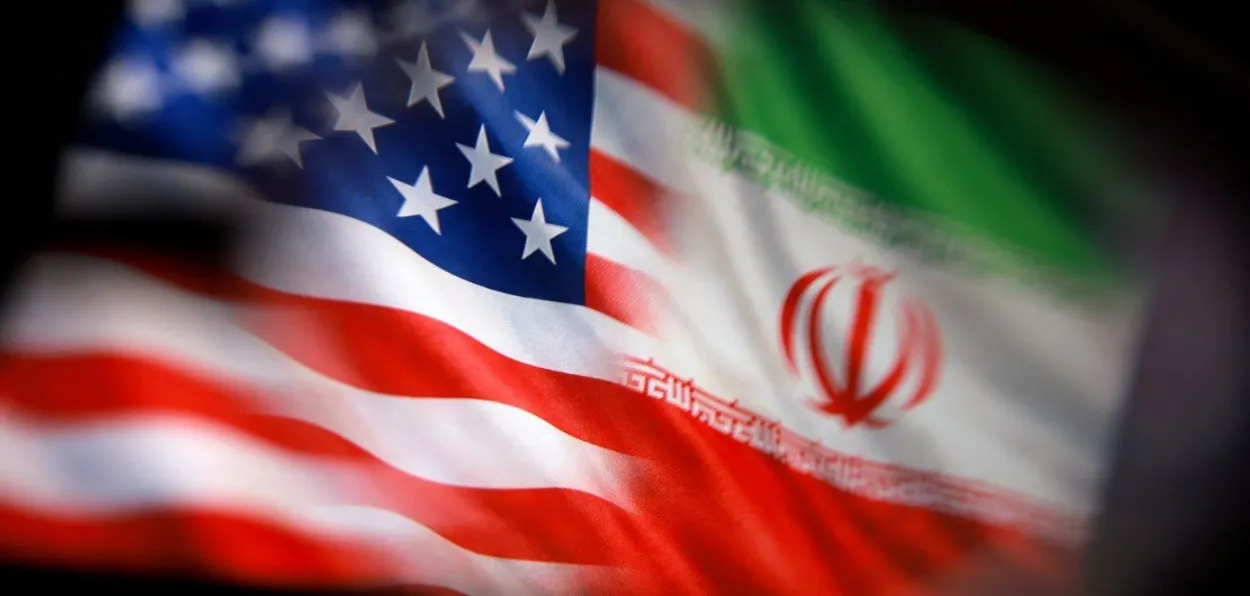
The ceasefire between United States and Iran has been described as fragile, with continued hostilities reported in the region. Fresh strikes were reported in Lebanon, where Benjamin Netanyahu’s government has intensified operations against the Hezbollah group, raising fears of further escalation.
Senior Iranian officials have expressed dissatisfaction with the terms of the truce. Parliament Speaker Mohammad Bagher Qalibaf criticised what he described as violations of agreed conditions, including continued Israeli military actions and disputes over Iran’s nuclear programme.
Iran’s Foreign Minister Abbas Araghchi maintained that developments in Lebanon were linked to the ceasefire framework, though both Israel and the US have rejected that interpretation.
A recent assessment by the Soufan Center warned that the truce remains at risk of collapsing, citing ongoing military actions and strategic tensions.
Diplomatic efforts are now shifting to Islamabad, where fresh talks aimed at ending the conflict are expected to begin on Saturday. US Vice President JD Vance is set to lead the American delegation, while Iranian representatives are also expected to participate.
READ MORE: From LoC to Bollywood: Naseem Mughal played Lulli Dakait in Dhurandhar
Iran’s proposals for negotiations reportedly include conditions related to uranium enrichment and control over the Strait of Hormuz — issues that have long been contentious in discussions with Washington.












.webp "Indian Ambassador to UAE, Deepak Mittal")
.webp "Representational Image")