Islamabad
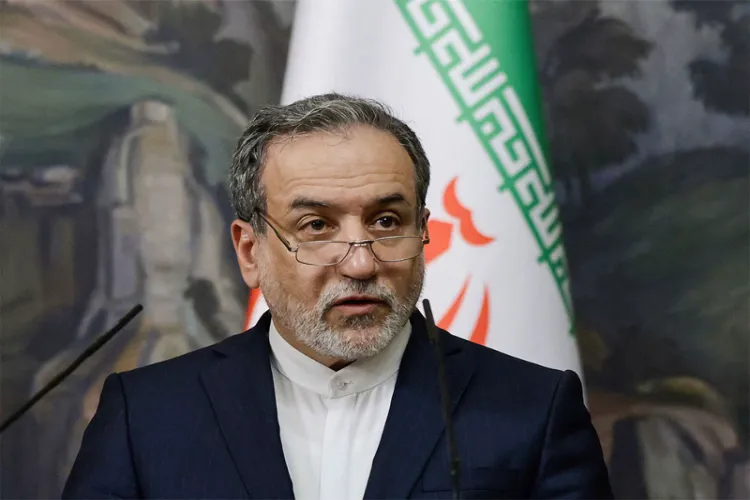
Iran’s Foreign Minister Abbas Araghchi is set to arrive in Pakistan on Friday night with a small delegation to hold bilateral consultations and discuss the US-Iran ceasefire and ongoing regional developments, according to officials and media reports.
Araghchi will visit Pakistan as part of a broader regional tour that also includes Oman and Russia, Iran’s state-run IRNA news agency reported. The discussions are expected to focus on the evolving situation in the US-Iran conflict and efforts to revive diplomatic engagement.
It remains unclear whether Iranian Parliament Speaker Mohammad Bagher Ghalibaf, who led Tehran’s delegation during the first round of talks with the US earlier this month, will join the visit.
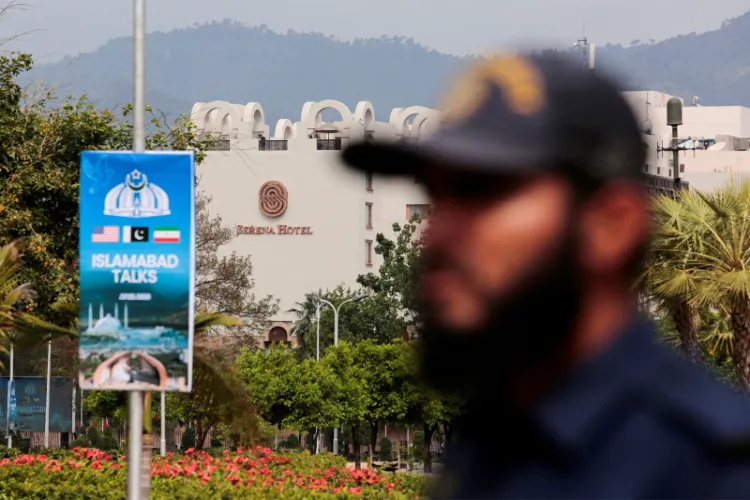
A senior official in the government of Prime Minister Shehbaz Sharif said Araghchi is expected to hold key consultations with Pakistani mediators. A second round of US-Iran peace talks is likely to be hosted in Islamabad following these discussions.
A US logistics and security team has already arrived in Islamabad to facilitate the negotiation process. Officials indicated that a high-level US delegation could arrive as early as Saturday night, depending on progress in initial discussions with the Iranian side.
The visit comes shortly after Pakistan’s Deputy Prime Minister and Foreign Minister Ishaq Dar held a phone conversation with Araghchi, during which both sides discussed the ceasefire and Islamabad’s diplomatic efforts to mediate between Washington and Tehran.
Pakistan emphasised the importance of sustained dialogue to resolve outstanding issues and promote regional stability, while Iran appreciated Islamabad’s facilitation role. Both sides agreed to remain in close contact.
Meanwhile, Iranian media reported that Araghchi also spoke with Pakistan Army Chief Asim Munir, though this has not been officially confirmed.
The first round of US-Iran talks held on April 11–12 failed to yield a breakthrough, prompting renewed diplomatic efforts by Pakistan to bring both sides back to the negotiating table.
Tensions remain high. US Secretary of War Pete Hegseth reiterated President Donald Trump’s warning that the US would act against any Iranian attempts to disrupt shipping in the Strait of Hormuz.
The US Central Command said it has already redirected dozens of vessels since the start of its blockade measures. It also noted that three US aircraft carriers—USS Abraham Lincoln, USS Gerald R. Ford, and USS George H.W. Bush—are currently operating in the Middle East.
Earlier this week, Trump extended the two-week ceasefire with Iran indefinitely, giving Tehran more time to prepare a unified proposal to end the conflict.
Pakistan has stepped up diplomatic outreach to facilitate a second round of talks. Interior Minister Mohsin Naqvi held discussions with US Chargé d’Affaires Natalie Baker on Thursday regarding the regional situation and prospects for renewed negotiations.
Security in Islamabad has been significantly tightened amid expectations of high-level diplomatic engagements. Roads, markets, and transport services in key areas have been restricted, with thousands of security personnel deployed.
READ MORE: Assam-born Fazlur Rahman finds cancer's link with environment
The conflict began on February 28 when US and Israeli forces launched strikes on Iran, triggering a wider regional escalation after Tehran’s retaliation.











.webp)