Tel Aviv
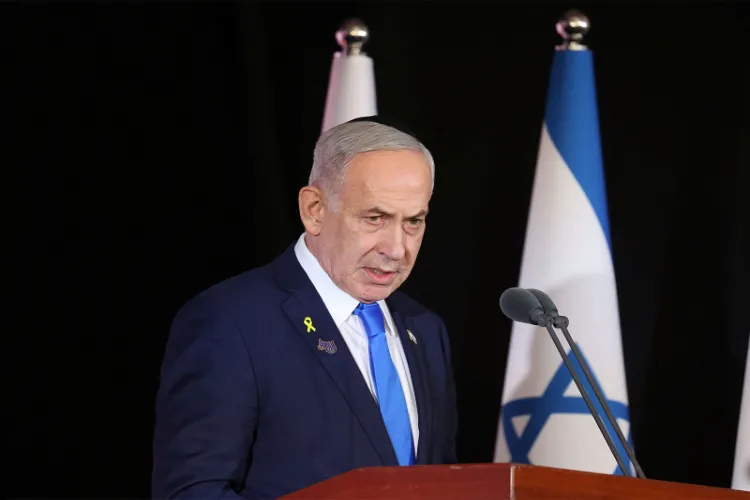
Israel’s parliament approved the national budget after an extended overnight session, giving Prime Minister Benjamin Netanyahu’s government the stability needed to remain in power until the end of its term later this year.
The passage of the budget was crucial, as failure to meet the April 1 deadline would have automatically triggered early elections. While the vote allows the government to continue, Netanyahu still retains the option to call snap polls if he chooses.
The move, however, drew sharp criticism from opposition leaders, who accused the government of prioritising political interests over public needs during a time of economic strain and ongoing conflict. Yair Lapid strongly criticised the allocation of funds, calling it an unprecedented misuse of public resources. Former Prime Minister Naftali Bennett also condemned the decision, alleging that the budget was pushed through under questionable circumstances.
A major point of contention was a last-minute provision allocating an additional USD 250 million to ultra-Orthodox educational institutions. Critics argue that such funding is controversial, especially as tensions grow over exemptions granted to ultra-Orthodox men from mandatory military service, at a time when the armed forces are under pressure due to ongoing conflicts.
Defending the budget, Finance Minister Bezalel Smotrich said it aims to address the needs of all citizens. The approved budget, estimated at around USD 270 billion, is the largest in the country’s history.
A significant portion of the funding has been directed toward defence, with military spending rising by about 20 per cent amid the continuing conflict with Iran. This has pushed the defence budget to roughly USD 45 billion, resulting in reduced allocations for other government departments.
The vote passed with a narrow margin of 62 to 55. The tense session was repeatedly interrupted by sirens warning of incoming missiles from Iran, forcing lawmakers to remain close to secure areas within the parliament building.
Although the budget strengthens the government’s position, public sentiment remains uncertain. Surveys suggest that while many Israelis support the ongoing military operations, Netanyahu’s popularity has not seen a corresponding boost.
The broader security situation continues to weigh heavily on daily life. Frequent missile alerts, ongoing tensions with Hezbollah in Lebanon, and disruptions to global oil supplies have all contributed to economic and social strain.
Delaying elections until later in the year may provide Netanyahu with an opportunity to rebuild political support if the security situation improves. However, any future vote will take place close to the anniversary of the October 7, 2023 attack—one of the most traumatic events in Israel’s history.
READ MORE: Alfiya Pathan: The rising boxing Star from Nagpur, aspiring to be the Next Mary Ko
Meanwhile, authorities have extended wartime restrictions for civilians, including limits on large gatherings and guidelines to stay near bomb shelters. These measures are expected to remain in place during at least the early days of the upcoming Passover festival.


.webp "Justice Poonam A. Bamba with Captain Amarinder Singh")








.webp "US President Donald Trump")

.webp)


.webp)