New Delhi
The 11th Quad Foreign Ministers’ Meeting held in New Delhi on Tuesday concluded with major agreements aimed at enhancing maritime surveillance, strengthening submarine cable infrastructure and developing resilient supply chains for critical minerals across the Indo-Pacific region.
The meeting, hosted by External Affairs Minister S. Jaishankar at Hyderabad House, brought together US Secretary of State Marco Rubio, Australian Foreign Minister Penny Wong and Japanese Foreign Minister Motegi Toshimitsu to discuss the strategic direction of the Quad alliance.
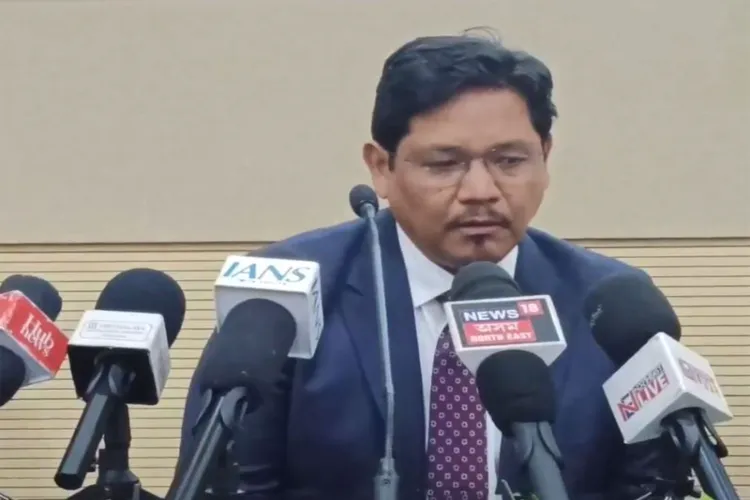
Director General for Press and Public Diplomacy at Japan’s Foreign Ministry, Kitamura Toshihiro, said the ministers reached significant policy agreements, particularly on securing strategic resources and building reliable supply chains for critical minerals.
Speaking to ANI, Toshihiro said the grouping had issued several outcome documents, including one focused on strengthening cooperation in the critical minerals sector and establishing resilient supply networks.
On the timeline for the next Quad Leaders’ Summit, Toshihiro said discussions were still underway, but stressed that all member countries remain committed to advancing cooperation through the Quad framework.
He added that economic security emerged as one of the central themes during the ministerial talks, especially in the context of current global uncertainties. According to him, collaboration among like-minded countries is essential to create secure and dependable supply chains, and India remains a crucial partner both within the Quad and in bilateral relations with Japan.
Highlighting India’s strategic importance, Toshihiro described the country as an indispensable partner for Japan in efforts to maintain a free and open Indo-Pacific. He referred to Prime Minister Narendra Modi’s visit to Japan in August last year, during which the two nations unveiled a joint vision for the next decade aimed at strengthening bilateral ties, including security cooperation.
Toshihiro also rejected suggestions that the Quad was directed against any particular country, stating that the grouping’s objective is to provide concrete developmental and security cooperation to countries in the region and contribute towards a more resilient and prosperous Indo-Pacific.
The commitment was reflected in the Quad joint statement, where the ministers reaffirmed support for a free and open Indo-Pacific and emphasised helping regional countries build resilience and preserve their ability to make independent strategic choices.
The ministers also addressed growing concerns over global maritime routes. The joint statement criticised Iran’s decision to impose tolls on commercial shipping through the Strait of Hormuz and stressed the importance of ensuring uninterrupted global trade.
Additionally, the Quad expressed concern over coercive and destabilising activities in the East China Sea and South China Sea, including actions that threaten freedom of navigation and regional stability.
Jaishankar announced the operationalisation of a new framework on critical minerals and an Indo-Pacific energy security initiative, noting that the geographical diversity of the four Quad members gives the grouping valuable perspectives on maritime security and international trade.
Meanwhile, Rubio announced the launch of an Indo-Pacific Maritime Surveillance Cooperation Initiative designed to combine the capabilities of Quad nations to strengthen monitoring and maritime domain awareness across the region. He also announced a new initiative to work with Fiji on upgrading port infrastructure in Pacific Island nations.
READ MORE: Gurugram’s ‘Bulldozer Man’ RS Batth joins Muslims in Eid cleanliness drive
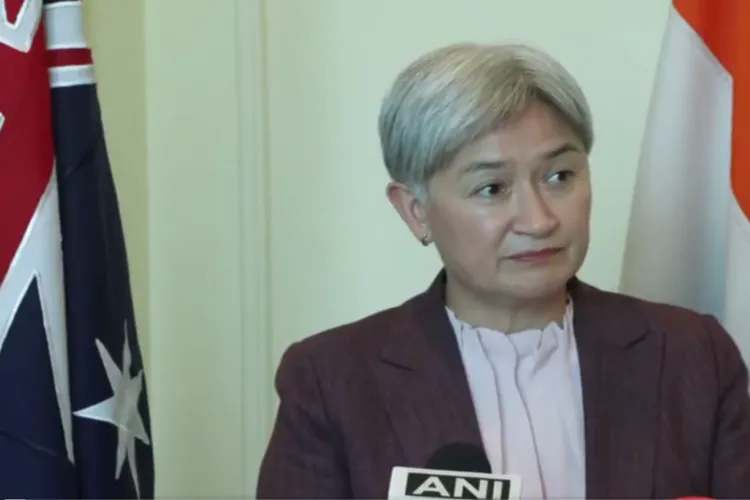
Australian Foreign Minister Penny Wong stated that the first phase of the coordinated maritime surveillance initiative would focus on the Indian Ocean region. She also said the Quad is broadening its cooperation to address transnational crimes, including tackling digital scam centres operating in Southeast Asia.