Islamabad
Pakistan’s agriculture sector continues to lurch from one avoidable crisis to another as farmers are forced to make sowing decisions without reliable forward guidance, leaving routine harvests vulnerable to market collapses, according to a report by Dawn.
With most cultivators operating small landholdings, the absence of coordinated planning and credible forecasts on demand, exports and global supply repeatedly turns short-term success into long-term distress. Farmers, the report said, often base planting choices on the previous season’s prices rather than on dependable projections.
When a crop delivers strong returns one year, cultivation expands sharply the next. This leads to oversupply, a steep fall in prices and significant losses for growers. Conversely, when planting drops drastically, domestic shortages emerge, forcing imports and driving up prices for consumers.
The pattern remains unchanged even as crops vary. The imbalance has been particularly evident in vegetables. During peak supply periods, farmers are frequently compelled to dump mature produce back into the soil or divert it to animal feed because market prices fail to cover even basic harvesting and transport costs. Tomatoes, onions, radish, cauliflower and leafy vegetables have all inflicted losses in recent seasons, while potatoes and cabbage are now facing similar pressure. Much of this damage, however, goes unrecorded.
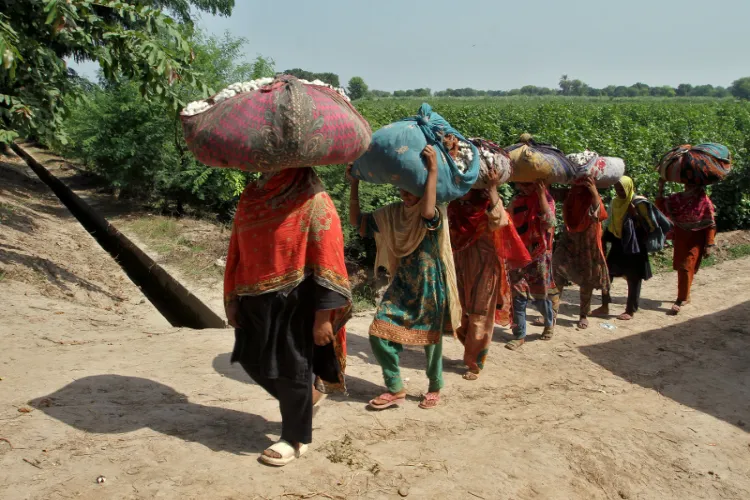
Potatoes, cultivated across vast areas this year, illustrate how large-scale gluts can severely undermine farm incomes. At the same time, early warning signs are emerging in export-oriented crops. Rice cultivation has increased despite weakening overseas demand, raising concerns of another surplus. Cotton acreage, meanwhile, continues to shrink as farmers cite high taxes, rising input costs and the absence of supportive pricing mechanisms, the report noted.
Experts believe the problem is solvable. Technologies such as satellite monitoring, remote sensing and predictive modelling could help estimate planted area soon after sowing, generate early production forecasts and enable timely policy interventions. Such tools could also help authorities identify export opportunities before markets are saturated.
READ MORE: Muslim couple arrange wedding of their adopted Hindu son
While farmers are unlikely to accept directives that directly threaten their earnings, transparent data highlighting the risk of oversupply could encourage many to reduce planting voluntarily. When crops are wasted, the losses extend beyond farm incomes, draining scarce resources such as water, land and capital, Dawn reported.
















.webp)