Cairo
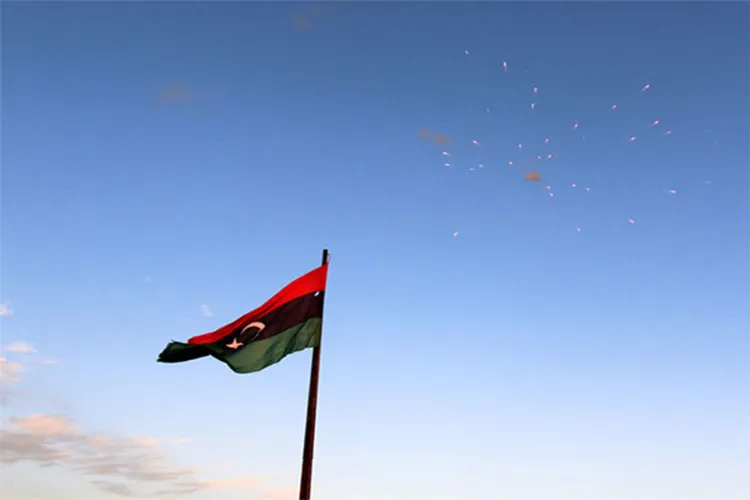
Authorities in eastern Libya have announced a ban on the entry of citizens from Sudan, Eritrea, Ethiopia and Somalia, in a move widely seen as an attempt to curb the growing flow of migrants using the country’s Mediterranean coast as a gateway to Europe.
Libya remains one of the main transit routes for migrants from North Africa and the Horn of Africa seeking to reach European shores in search of better living conditions. Many of them are transported by human traffickers in overcrowded and unsafe boats, with thousands losing their lives during the dangerous crossing.
The announcement issued on Tuesday night states that nationals of the four countries will not be permitted to enter Libya through any land, sea or air checkpoints. However, exemptions will apply to diplomats as well as professionals working in sectors such as healthcare and education.
In a parallel development, both eastern and western Libya have in recent months witnessed increased restrictions and public hostility toward refugees, along with widespread crackdowns. Rights groups, including Amnesty International, have reported mass arrests affecting thousands of migrants.
United Nations estimates suggest that more than 900,000 migrants and refugees are currently present in Libya, with Sudanese nationals forming the largest group. Many attempt to reach Europe via Libya, but interception at sea often results in their return to Libyan territory.
Once detained, migrants are frequently held in state-run facilities where international organisations have documented serious abuses, including forced labour, violence, sexual abuse and torture—acts that UN-backed investigators have described as amounting to crimes against humanity.
READ MORE: How Amal Ayub's Bridalbug.Co is redefining luxury weddings
Since the fall of Muammar Gaddafi in 2011 following a NATO-backed intervention, Libya has remained politically fragmented, with rival administrations controlling different parts of the country, one in the east and another in the west.













_(1).webp)


.webp)