Ashhar Alam | New Delhi
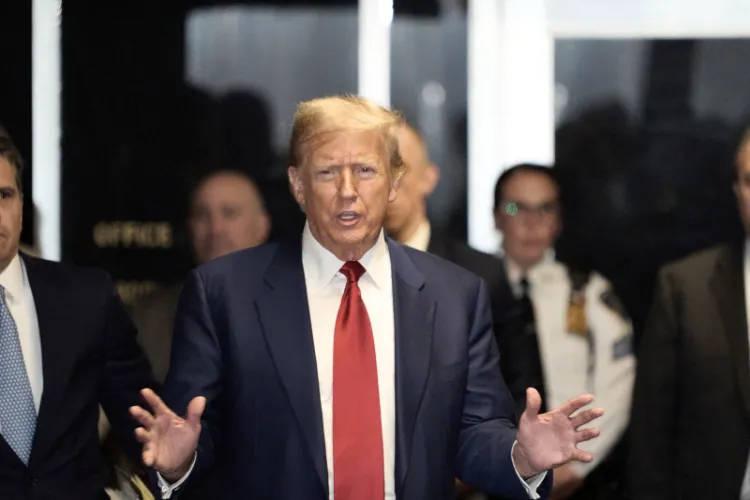
US President Donald Trump on January 28 sharply escalated rhetoric against Iran, issuing a fresh warning over Tehran’s nuclear programme and signalling that military action remains on the table if diplomatic efforts fail to yield an agreement, according to a news agency.
The renewed threat comes amid heightened regional tensions and widening gaps between Washington and Tehran over the future of nuclear negotiations and security in West Asia.
In a post on his social media platform Truth Social, Trump said a large US naval deployment, which he described as a “massive armada” led by the aircraft carrier USS Abraham Lincoln was moving toward Iran. Stressing urgency, he called on Tehran to return to talks and strike a deal that would permanently block the development of nuclear weapons. Warning that “time is running out,” Trump said failure to comply would invite consequences “far worse” than previous military strikes.
The US president also alluded to earlier military operations, including a coordinated US-Israel campaign in June 2025 that targeted multiple Iranian nuclear facilities. Washington had claimed those strikes significantly degraded Iran’s nuclear capabilities. Trump’s latest remarks underscored that military pressure remains a viable option if diplomacy stalls, a news agency reported.
Iran swiftly pushed back, rejecting negotiations conducted under threats of force. Iranian state media quoted Foreign Minister Seyed Abbas Araghchi as saying that talks cannot take place “in an atmosphere of threats,” dismissing US pressure tactics as ineffective. While reiterating Iran’s willingness to consider a “fair and equitable” nuclear agreement, Tehran insisted that any dialogue must be free from coercion.
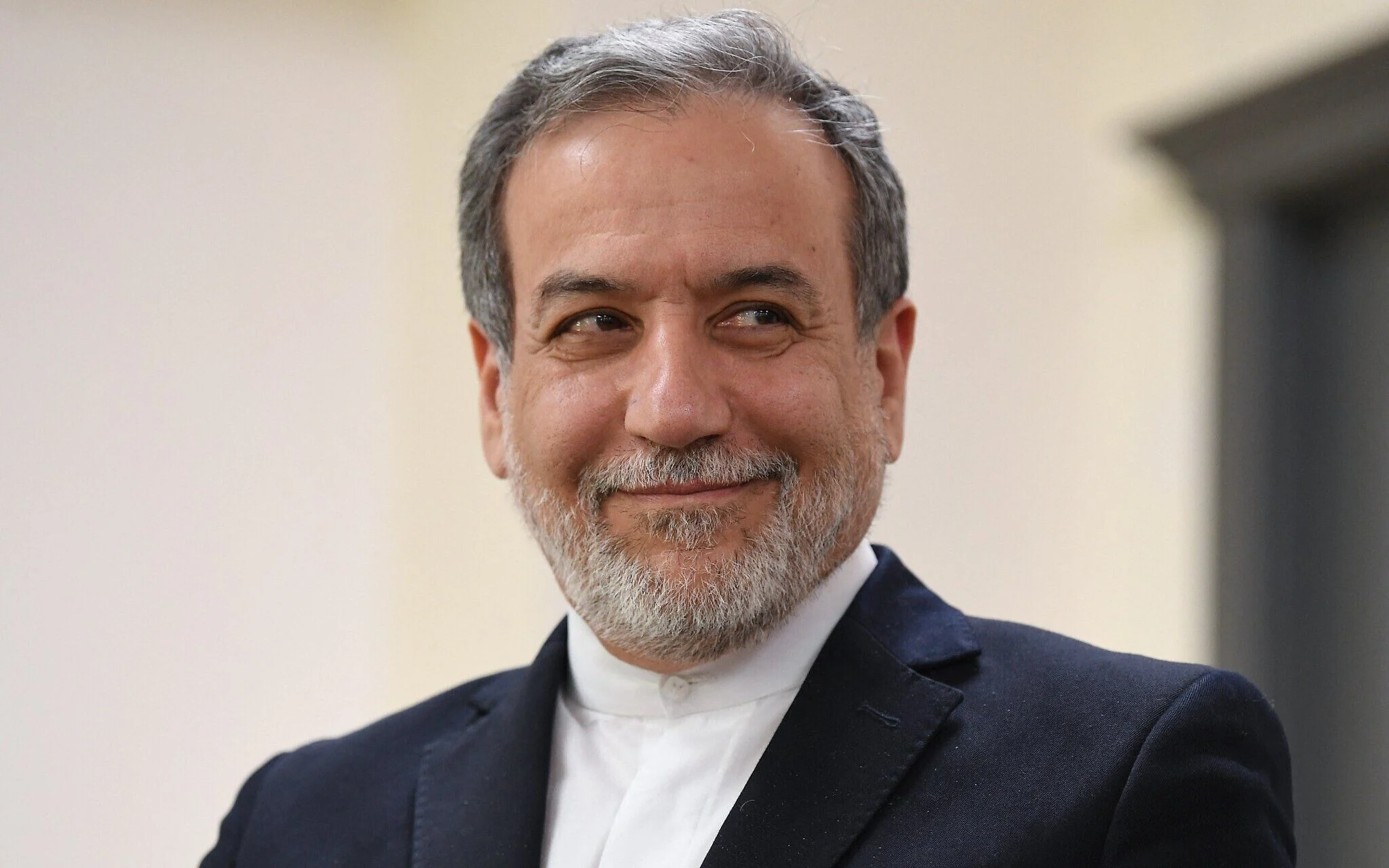 Foreign Minister of Iran, Seyed Abbas Araghchi
Iranian officials also warned of severe retaliation if the US were to launch military action, with some suggesting that any attack could trigger a wider regional confrontation involving American interests and allies.
ALSO READ: I received my wages for hard work of decades: Ghafruddin on Padma Shri
Trump’s tougher tone marks a shift from earlier US messaging that had focused largely on Iran’s human rights record, particularly its crackdown on domestic protests. Recent statements from Washington, however, suggest the nuclear issue has once again become the central pillar of US policy toward Tehran.
For now, both sides appear entrenched. The US continues to demand assurances that Iran will never pursue nuclear weapons, while Tehran maintains its right to peaceful nuclear activity and insists negotiations cannot proceed under the threat of force.











_(1).webp)