Dubai
The ongoing Iran-Israel conflict 2026 escalated sharply on Tuesday, with the United States launching strikes on a city housing one of Iran’s key nuclear facilities, while Tehran retaliated by attacking an oil tanker near Dubai.
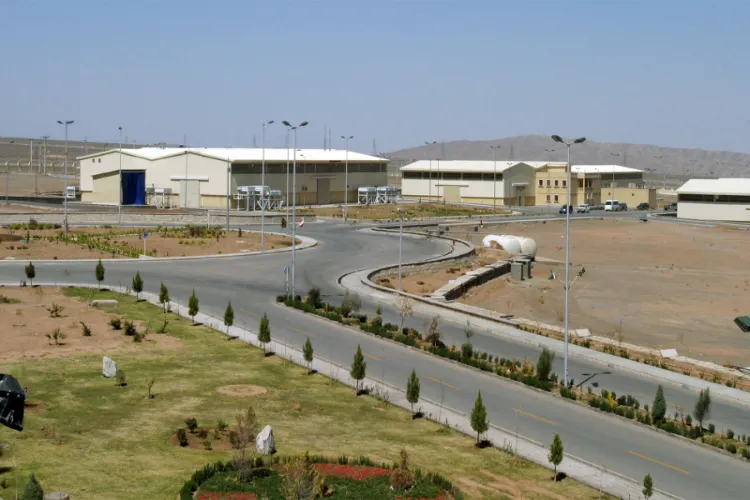
According to reports, US strikes hit Isfahan—home to a major nuclear enrichment site—triggering a massive fireball. The attack marks a significant intensification of hostilities more than a month after the US and Israel initiated military action against Iran.
US President Donald Trump shared visuals of the strike, underscoring the strategic importance of Isfahan, which is believed to store a substantial portion of Iran’s highly enriched uranium.
The conflict continues to roil global energy markets, particularly due to disruptions around the Strait of Hormuz, a critical artery through which about one-fifth of the world’s oil passes.
With tanker movement significantly curtailed and regional energy infrastructure under attack, global oil prices have surged. Brent crude has climbed above USD 100 per barrel, rising over 45 per cent since the conflict began in late February. The ripple effects are being felt worldwide, including a spike in fuel prices in the United States.
Trump warned that failure to reach a ceasefire or reopen the Strait could lead to an expanded US offensive, potentially targeting Iran’s Kharg Island oil export hub.
In retaliation, Iran launched a drone strike on a Kuwaiti oil tanker off the coast of Dubai, sparking a fire that was later contained. Authorities confirmed no oil spill occurred.
The attack heightened tensions across the Gulf region. Air raid sirens were reported in Bahrain, while Saudi Arabia said it intercepted multiple ballistic missiles aimed toward its capital.
Explosions were also reported in Israel following warnings of incoming Iranian missile barrages.
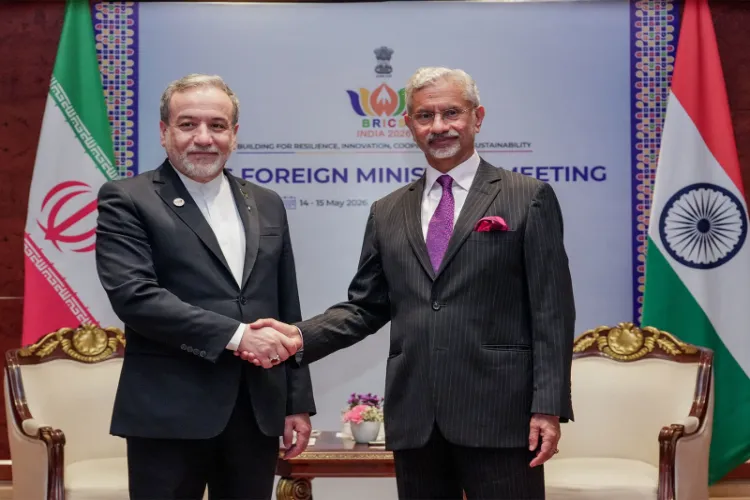
Iran’s Foreign Minister Abbas Araghchi defended Tehran’s actions, stating that operations were directed at “enemy aggressors” and not intended to destabilise regional partners.
The conflict has already claimed over 3,000 lives across multiple regions. In Iran alone, more than 1,900 fatalities have been reported, while casualties have also been recorded in Israel, Gulf states, and the occupied West Bank.
In Lebanon, where Israel is engaged in conflict with the Iran-backed Hezbollah, over 1,200 people have reportedly been killed and more than one million displaced.
The United Nations Security Council is expected to convene an emergency session after reports that three peacekeepers were killed in southern Lebanon within 24 hours.
READ MORE: Inspirational story of Kolkata’s ‘Hijabi Biker’ Alima Rahman
As the conflict deepens, its geopolitical and economic consequences continue to reverberate globally, with energy markets, supply chains, and regional stability under increasing strain.











.webp "US President Donald Trump")

_(4).webp)