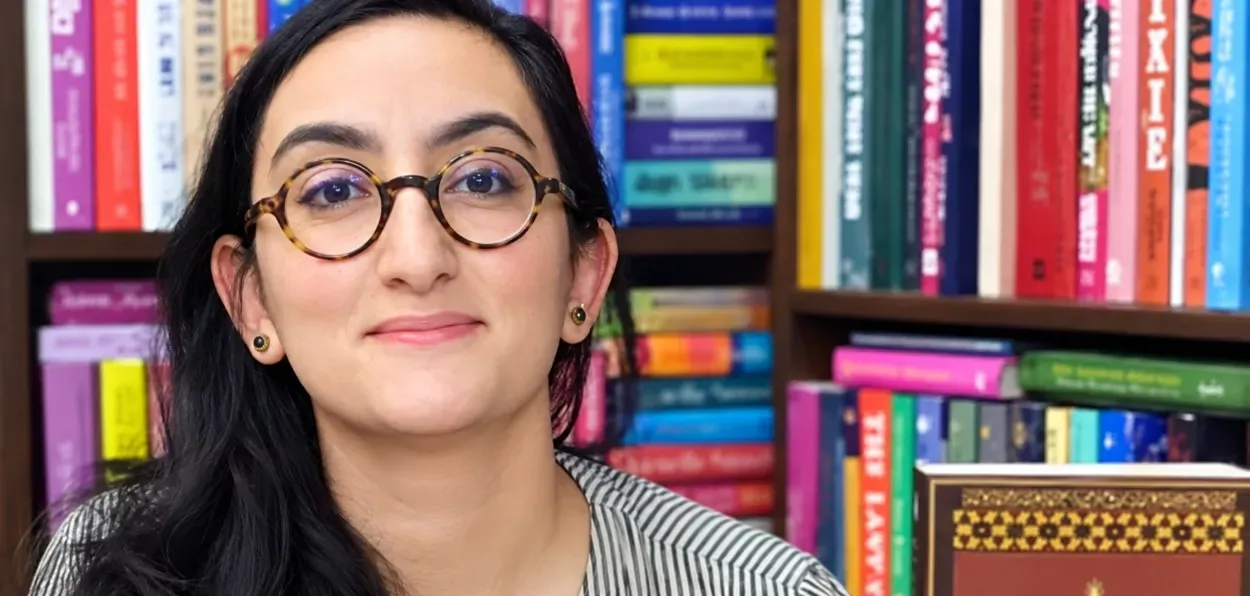
.webp "Nahida Zam Zam, Tumkur Assistant Commissioner")
M Sreelata/Kerala
On Women’s Day a few years ago, Tumkur Assistant Commissioner Nahida Zam Zam called on women to build a sisterhood—to stand by each other and protect each other’s interests. Her words were direct, almost provocative. Women, she said, are often seen in two roles: victim or villain. “Once a victim, always a victim,” she warned. It is time, she said, to become the villain—“in a positive way.”
By this she was exhorting women to come out of their shells of goodness and speak out for themselves rather than be eternal coping machines.
For the Karnataka Administrative Service officer of the 2016 batch, her speeches have been one of her main modes of reaching out to the public she serves.
And in speech after speech, she returns to the everyday realities of women’s lives. Even today, she points out, when people speak of reaching the moon and Mars, a working woman is still expected to wake up early, prepare food for the entire household, and only then leave for her job. This, she says, is often glorified as a woman’s “superpower.” She disagrees. It is not empowerment, but exploitation—a continuation of a mindset that is no longer sustainable.
.jpeg)
Instead of celebrating the “superwoman,” she urges society to let women be free—to pursue their own goals without carrying the invisible burden of expectation.
Her message to women is clear: reclaim your space under the sun. Too often, she says, women are held back in the name of safety. There is always some danger cited, some reason to stop them. But risk, she points out, is everywhere. Even stepping out on the road or boarding a bus carries risk. Fear cannot be the basis on which women’s lives are limited.
Her own line of motivation is simple: if you win, you lead; if you lose, you learn.
And she has something to add which may just upset the gender balance a bit. While men are often seen as leaders, she suggests, women are frequently the strategists behind them—the ones who guide, plan, and sustain. It is time, she implies, for that invisible role to become visible.
Nahida Zam Zam has built a reputation as a people-friendly administrator. Her work during the Covid-19 pandemic was widely noted. Even while expecting a child, she continued her vigilance and field-level engagement in her taluk. Later, she was appointed to key administrative responsibilities in Tumakuru district.
.jpeg)
The pregnant KAS officer touring the villages and homes during Covid turned her into a rural /urban legend as a trusted and liked officer.
Her concern for people is not limited to policy. In the magistrate’s court, she is known to look out for elderly individuals waiting with unresolved issues. She speaks to them directly and ensures their problems are addressed. It is a small detail, but one that reflects the way she approaches her role.
As Registrar of Tumkur University, she shifts her focus to students. Here, her message is about learning. A good leader, she says, must first be a good reader. In a time dominated by social media and constant distraction, she urges students to step away from reels and return to books. The ability to earn, she insists, is closely linked to the ability to learn.
She also speaks about the invisible labour of women. The work of mothers and wives, she says, must be recognised as part of the “care economy” and acknowledged in discussions of GDP. What is taken for granted, she suggests, must be counted.
Running through all her speeches is a concern not just for women in general, but specifically for Muslim women. At several public meetings, she speaks sharply about those who claim authority over religious interpretation. What is presented as personal law, she argues, is often not a direct reflection of the divine, but the result of narrow interpretations by a few.

Her tone here can be uncompromising. She doesnt shy away from talking of hijab and says it is fine as long as the woman wants to wear it and it is not imposed on her.
he questions why such interpretations are treated as final and cannot be re-examined—especially when they affect women’s lives so deeply. And she sometimes ends her speeches on women with the chant: ya devi sarvabhuteshu shakti rupena samsthita, or budhi rupena samsthita or shanti rupena samsthita…namastasmai namastasmai namastasmai namo nama, a Sanskrit hymn praising the Goddess as the supreme consciousness present in all beings across the universe, manifesting in various forms like power, intelligence, peace, and as the universal mother
…It seems no boundaries of language or religion can stop her.
She personifies the kind of freedom of thought and speech she advocates for everyone. She does not want her thoughts to be bound by any confines of tradition or religion.
Whether she is speaking in Kannada or slipping into Urdu often when she is among Muslims, addressing students, parents, or the public, the core of her message remains the same: education, awareness, and freedom. Freedom from ignorance. Freedom from dependence. Freedom to think and to speak.
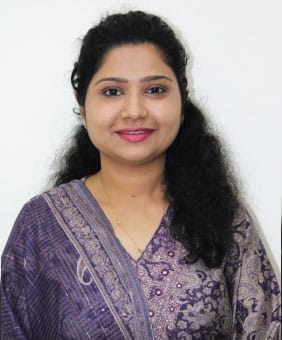
At times, she sounds almost impatient—particularly when she speaks to parents who prioritise dowry over education for their daughters. Instead of saving for marriage, she suggests, invest in their future. Let them aim for careers—in administration, in the police, in any field they choose.
Her solution to many of the problems she sees is blunt and inward-looking: do not begin by blaming others. Change yourself.
READ MORE: Nagma Mallick builds India's case before the world through quiet diplomacy
It is this combination—administrative authority, public engagement, and an insistence on self-reflection—that defines Nahida Zam Zam’s voice. Her speeches are not polished performances. They are interventions—fearless and motivating, always aimed at pushing her audience to think, and perhaps, to act.