S. Menon/Kerala
In an age where public figures are known through sound bites and social media, the presence and work of India's first Muslim IFS officer, Nagma Mohammad Mallick, remains distinct in being quiet and almost invisible.
Her voice and work are confined to conference rooms where the future relationship of India with the rest of the world is shaped, where India presents its narrative, which influences and convinces the rest of the world of its genuineness and its intentions.
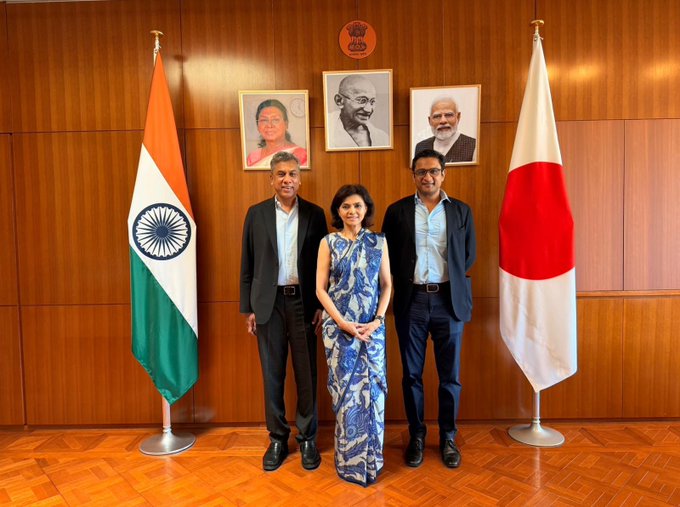
Mallick, serving as India’s Ambassador to Japan and the Marshall Islands, like most diplomats, has been restrained in her public visibility, focusing only on her diplomatic duties.
An officer of the Indian Foreign Service from the 1991 batch, Mallick hails from Kerala, a state that has not been known for too many officers in the IAS or Indian Foreign Service. While anyone with a connection to the state is often celebrated in the pages of the local vernacular media, Mallick was never given such treatment.
Nagma was born in a family where her forefathers were already going out of their way to take up challenging roles in society. Her grandfather, Puthiyapura Ahmed, was one of the first Muslim lawyers practising from Kasargod in the early 1930s, and her uncle Mohammad Hasheem was a martyr of the Indo-Pak war of 1962.
Mallick herself grew up in Delhi, completing her higher studies in St Stephen’s College and the Delhi School of Economics of the University of Delhi Married and a mother of two children, her career has taken her across continents, as she has been posted as envoy in Tunisia, Poland, and Brunei, before her current role as India’s Ambassador to Japan and concurrent role in the Republic of Marshall Islands.

Her vast experience is reflected in the calm tone of her speeches.
For instance, speaking in Tunisia after it adopted its constitution, she lauds their struggle and the victory of democracy there and offers India’s assistance in various ways.
She says India may be an older democracy, but it still has a lot to learn from Tunisia. "Tunisia has already shown the world that it knows how to resolve significant political differences and differences in ideology through negotiation and compromise, leading to consensus. I am certain that the same spirit will prevail in bridging the political and social cleavages here. I would like to end with a quote from our External Affairs Minister made during his stay here: ‘Mature democracies have much to learn from young democracies…’. In other words, Tunisia, we are with you, holding your hand and also learning from you.’’
Many of her speeches during her earlier tenures in Tunisia and other countries mention Mahatma Gandhi and non-violence. She is found framing India’s freedom struggle not as a closed chapter of history, but as an ongoing moral reference point for a world that needs the healing balm of ahimsa.
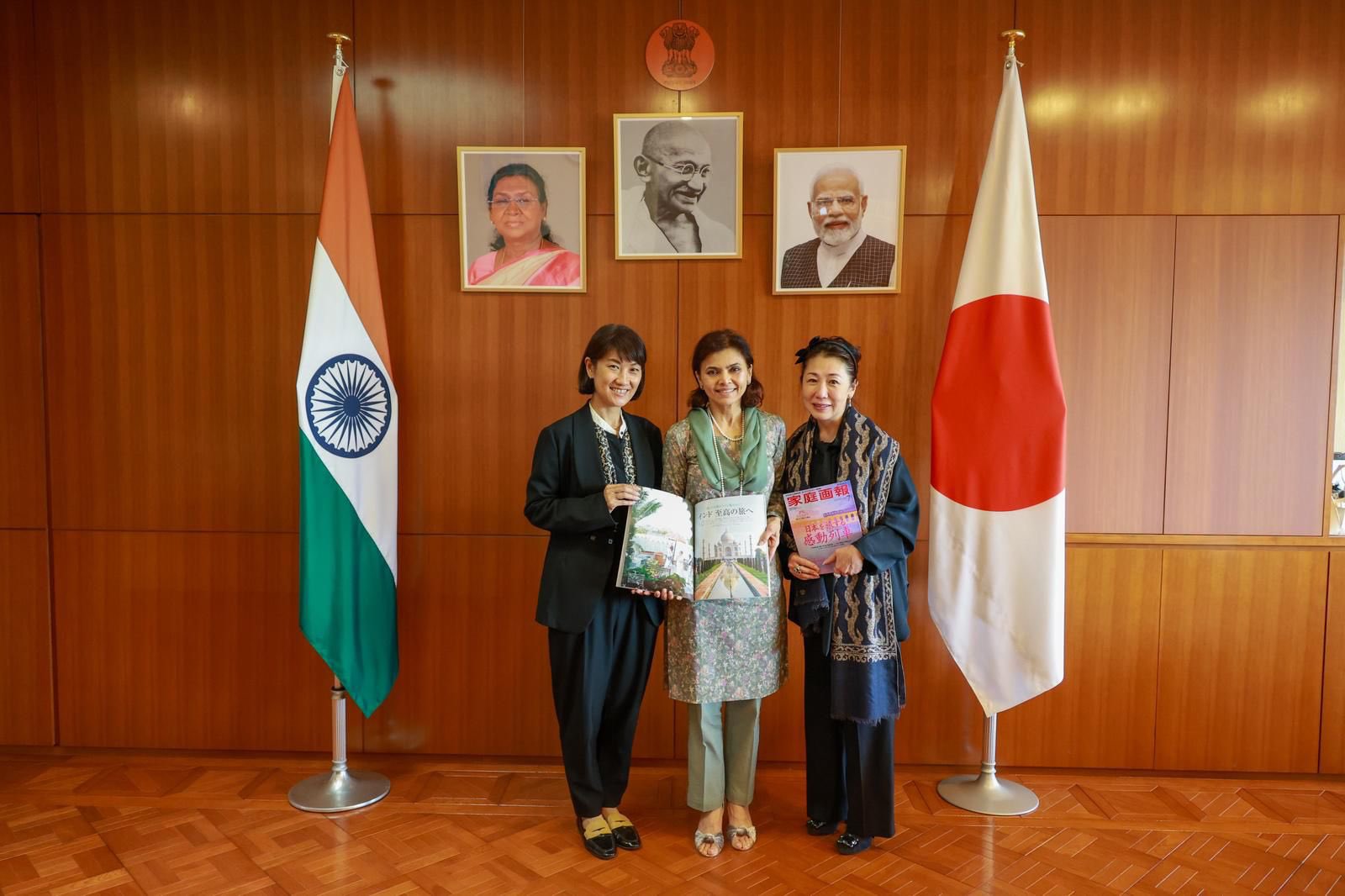
In one address, she reflects on how non-violent resistance could challenge even the most powerful empires.
Mallick, in her speeches despite their formal tone and occasions in a subtle way links the freedom and rights of women with the freedom movement of India. She talks of how Gandhi got women out of their homes and soon they were picketing liquor shops and burning imported things as part of Gandhian non- violent protests.
Hence women according to her were not just taking part in history but were becoming agents of social change in a society that was quite rigid at that time.
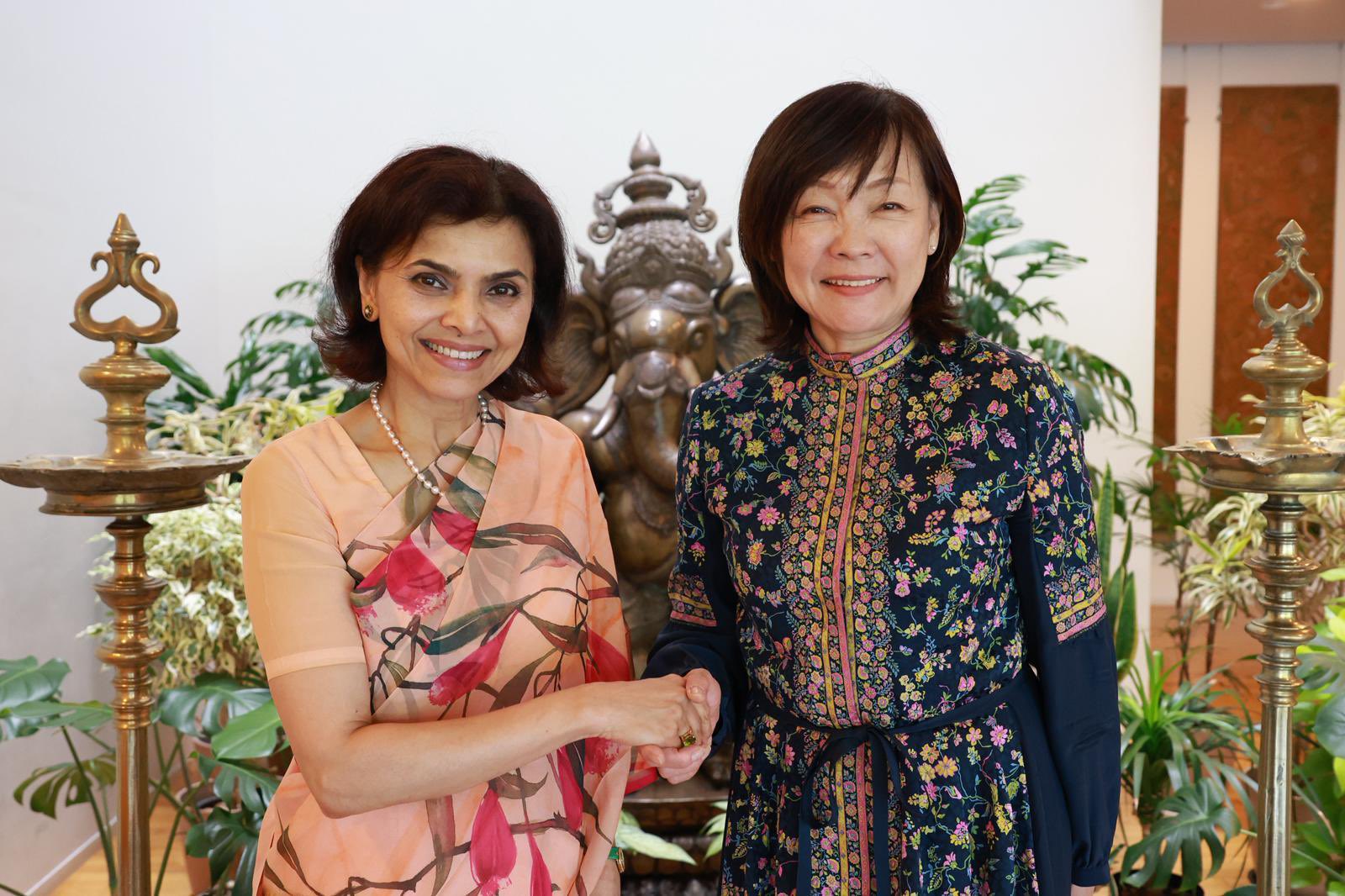
Speech after speech takes the Indian narrative to her audiences abroad thus robing India’s image in the ideals of non -violence and dialogue as represented by Gandhi in the past.
Referring to Gandhi she says: ``He freely forgave those who were his bitterest critics and enemies, and spoke only of his regard and admiration for them. In his own inspiring words, ‘if we want to cultivate a true spirit of democracy, we cannot afford to be intolerant. Intolerance betrays want of faith in one’s cause’.
Yet, in her current high- profile role in Japan, her voice is no longer summoning the past but pointing to the future.
Rather than quote history, she is more precise about the need of the hour. Her recent engagements, whether at national celebrations or scientific collaborations or bilateral meetings, focus on strengthening India–Japan relations in areas such as technology, innovation, and economic partnership.
The shift indicates perhaps a transition of the nation, which was defining itself in the context of the past, to a nation that is preoccupied with shaping the future for its own people and influencing those around it.
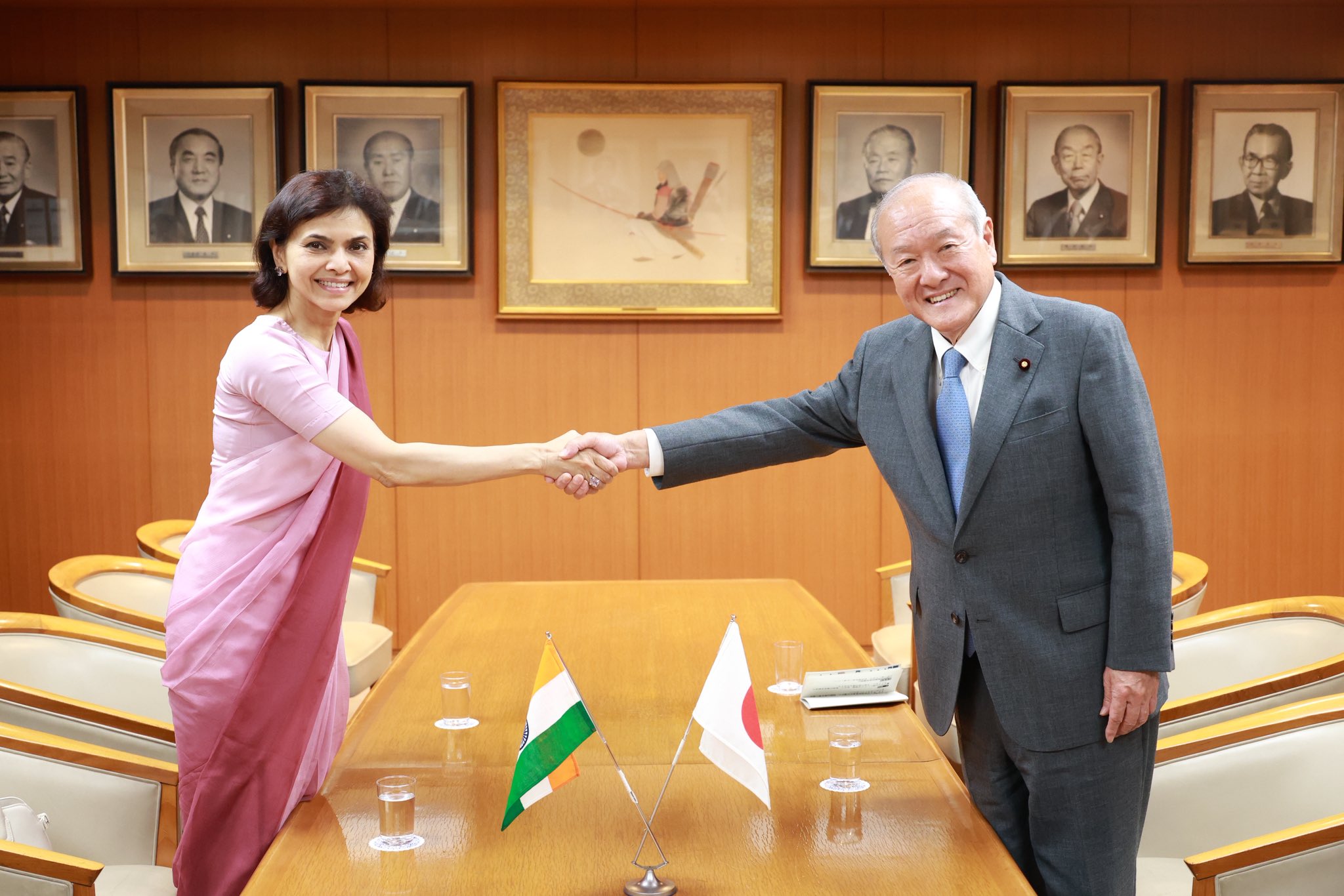
What is most striking about Mallick’s profile is its discretion and subtlety and how she maintains a low -key presence.
There are no widely circulated interviews, no televised debates, no easily accessible personal narratives. Instead, her career is documented through official speeches and diplomatic notes. In a media-saturated world, this creates a paradox: a figure of considerable importance who remains, to the wider public, relatively unseen. However, this low- key profile suits her role as a negotiator in these tough times.
Her work happens in spaces that are out of public view. The outcome of her work will shape India's relationship with other countries, today and in the future.
READ MORE: Aabroo's rise triggered Muslim women's aspiration to join civil services
It is a challenging role in times where every country is seen walking on the thin ice of discretion, as geopolitical tensions tear the world apart.
Glimpses from the Hanami Reception hosted by Ambassador Ms. Nagma M. Mallick on March 30 at @IndianEmbTokyo.
— インド大使館 || India in Japan 🇮🇳 (@IndianEmbTokyo) March 31, 2026
The reception was attended by members of the press and media in Japan as well as representatives and friends of India from cultural, science and technology and academic… pic.twitter.com/s4pVbdqdMb









.webp)