M Sreelata
When V P Suhara spoke to this correspondent a few months ago, she seemed like an activist in a hurry. In the snatches of conversations between several short telephone calls which were often ended abruptly, what came across was an impatient urge to right the wrongs Muslim women suffer on a daily basis thanks to misinterpretation of their rights promised by Islam.
All that she was trying to say in those broken conversations was that the wrongs are neither in her religion nor in the nation’s constitution. The wrongs are in the way religion is practised and interpreted. It is in the wide gulf between the promises of justice and fairness offered by the Constitution and Islam and the absence of it in the daily lives of Muslim women.
V P Suhara understood these truths fairly early in her life from the experiences of her own relatives at home and her whole life has been just an reconfirmation of all the questions and doubts about certain practices in Muslim society in Kerala and outside.
Some questions about equality that are raised inside homes like in the way property is divided, in the silences that follow loss, in the quiet ways in which women are made to step back and not claim their rights.
Says V. P. Suhara: “It was my childhood experiences that pushed me to think this way. At first, I thought these problems existed only in my own home. Later I realised they were the experiences of many.” What seemed personal slowly revealed itself as systemic.
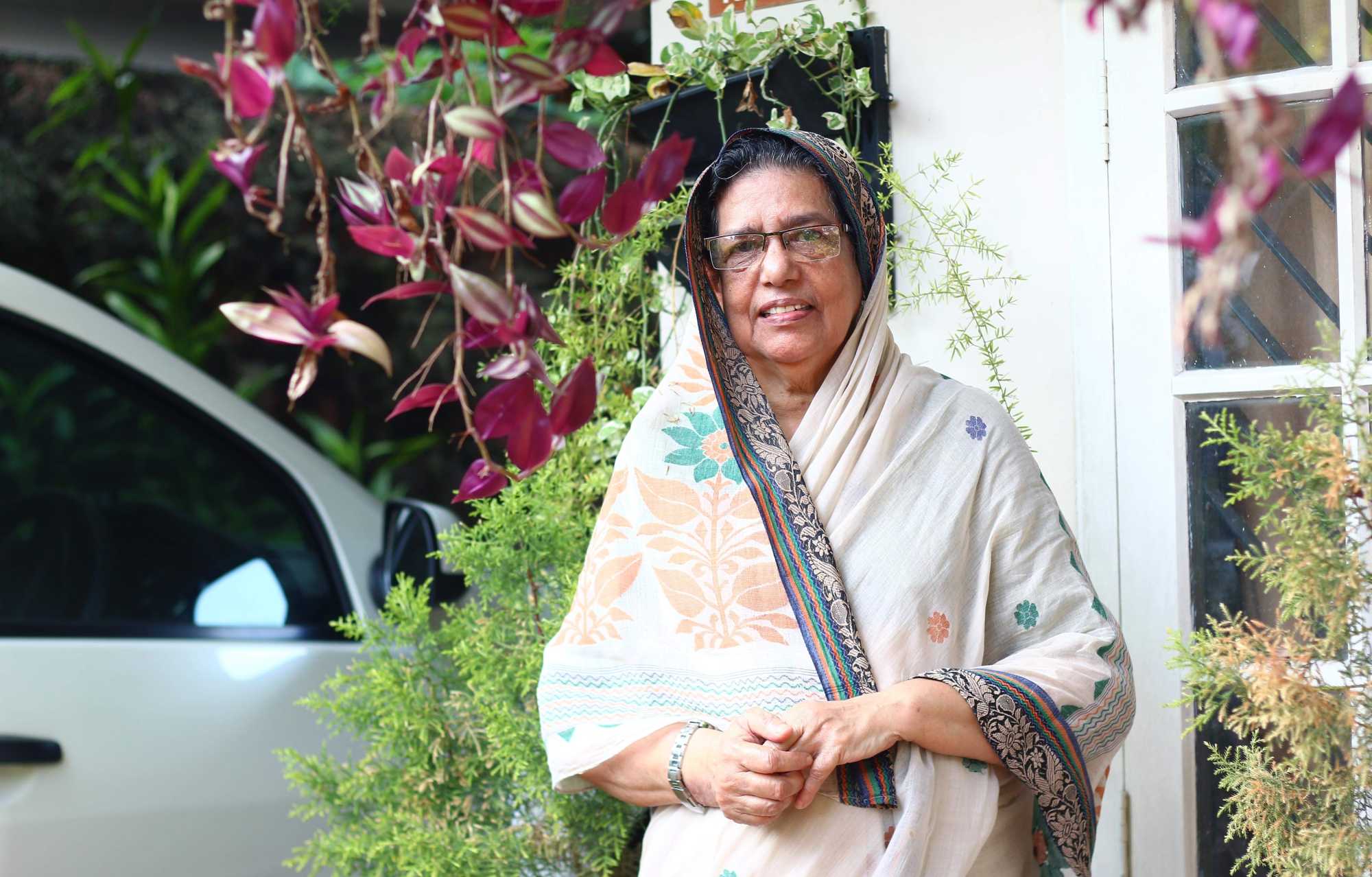
The debates around the Shah Bano case sharpened that understanding. For Suhara, the issue was never just about a single judgement.
“The problem was not the Supreme Court verdict. I realised then that the real issue was the personal law that had taken shape during the colonial period.”
“The Muslim Personal Law that came into force in 1937 was framed by people who did not have a proper understanding of Islam. Earlier, in 1906, Sir D. F. Mulla wrote Principles of Mohammedan Law, and it is from there that many of these interpretations of Shariat law were taken. Later, in 1939, the law was modified. Its interpretations were flawed and done by people who did not understand the lived experiences of Muslims.’’
She feels that interpretations that have followed are also based on that original one which was deeply influenced by British legal systems. She feels that it is high time this was rectified.
This also led to the realisation that justice was not in conflict with her religion. “The Prophet’s faith is not against women. The issue is not in the Quran, but in its interpretations.” She says.
What is presented as religious truth, she suggests, is often shaped by selective readings and historical distortions.
In the late 1980s, she had stepped more fully into public life, working with women and listening closely to the realities they lived through.
“It was when I began engaging with women around issues like triple talaq and polygamy that I understood how deep the problem really was.” Another major source of injustice was inheritance. The personal law interprets inheritance in a way that is biased against women, she says. “It is through these laws that family relationships are most often strained.”
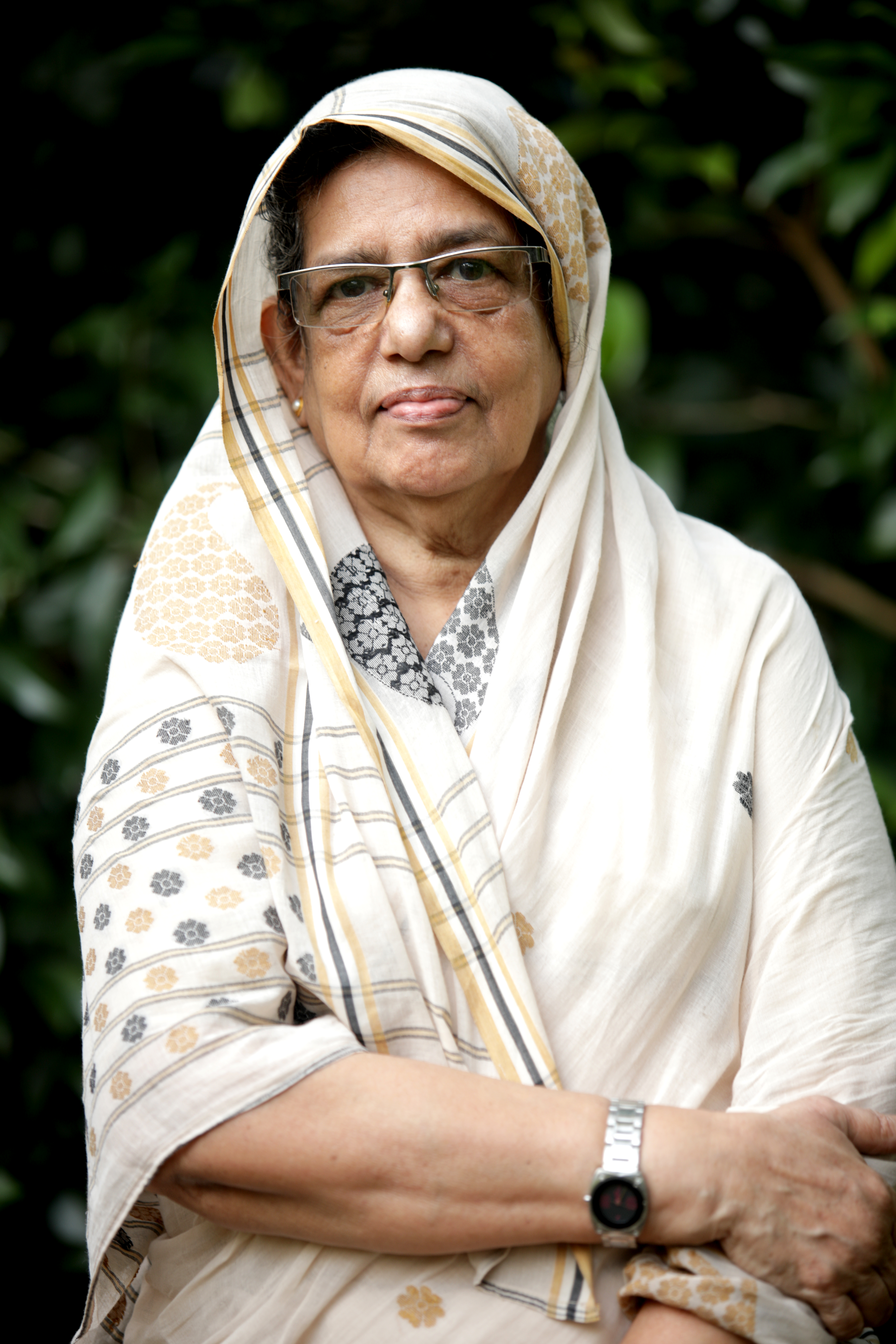
She points to the imbalance directly: “When a brother receives two shares and a sister only one, what does that say about equality?” But the consequences, she says, do not end there.
“We have seen many cases where, after receiving their share, sisters are pushed out of the family.” And for widows, the situation can be even more precarious:
“There are many women who, after their husband’s death, are left with nothing and pushed into insecurity by the husband’s family.”
What emerges is not just inequality on paper, but a pattern in lived experience — where law and practice combine to produce exclusion.
She feels that both faith and the Constitution contain the possibility of justice.
“In our Constitution, no one can be denied rights in the name of religion.”
Her demand is precise: “We are not asking for a Uniform Civil Code. What we are asking for is the justice that the Constitution guarantees.”
This distinction matters to her, especially in the current political climate.
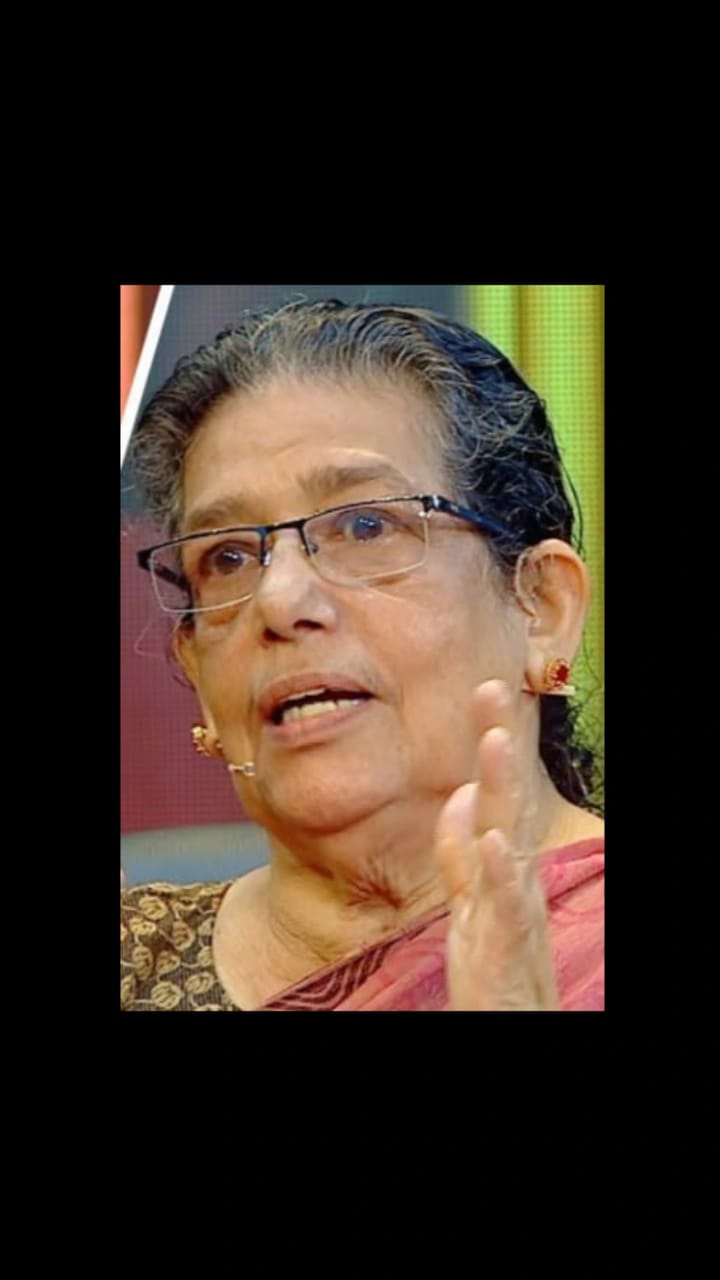
“There is fear because those in power today hold majoritarian positions. That is why people are wary of a Uniform Civil Code.” But she does not allow that fear to silence internal questions. “Asking for equality cannot be mistaken for supporting something else. We are asking for justice.”
Suhara recalls how women’s issues came to the forefront in the 80s when the women’s commission was formed and poet, environment and gender activist Sugata Kumari used to be bringing up questions of injustice to Muslim women.
It was then it struck her that Muslim women should speak for themselves. “We felt that our issues had to be voiced by us. That is how we began organising.”
Through forums and collective spaces, Muslim women began bringing forward experiences that had long remained unspoken. “Many people call us and share their problems. When we go to colleges, we realise that many are still unaware of these issues.” She says,
A year ago she was at Janpath protesting and demanding that a private member’s bill on inheritance of property be tabled in Parliament.
“We are asking for the justice that the Constitution promises.”
It is a simple demand, but one that carries weight — because it is made from within the community, from within the faith and from the lived experience of thousands of Muslim women.
ALSO READ: Pakistan's search for a past beyond Hinduism
She insists on this and that makes her argument strong despite criticism from many in her own faith.

_(1).jpg "Visitors gather at the Santosh Mitra Square Durga Puja pandal, themed on the 150th anniversary of Vande Mataram and its historic role in India's freedom movement, ahead of the festival, in Kolkata")
.jpg "Gujarat’s women entrepreneurs bring their craftsmanship to life during Navratri")








.webp)