Onika Maheshwari/New Delhi
The global recognition of the Indian pharmaceutical industry is not limited to its biggest companies. Numerous manufacturers across the country have built successful businesses while contributing to India’s reputation as the “pharmacy of the world.” Unicure India Ltd. is one such company, with Dr. Kashish Aziz playing a key role in operations and quality assurance.
Unicure India has manufacturing facilities in Noida, Greater Noida and Roorkee across Uttar Pradesh and Uttarakhand. According to CRISIL, the company is a WHO-GMP-approved and ISO-certified pharmaceutical manufacturer.
.jpeg) Dr Kashish Aziz at an event
Dr Kashish Aziz at an event
A significant portion of its business comes from government entities and contract manufacturing for major pharmaceutical brands. Based on CRISIL’s assessment from March 2025, around 60 per cent of the company’s revenue came from government entities, 30–35 per cent from contract manufacturing, and the remainder from exports. GST-based business data for 2025-26 places the company in the annual turnover bracket of ₹100 crore to ₹500 crore.
Born in Delhi in 1987, Dr. Kashish Aziz currently serves as Vice President of Quality at Unicure India Ltd. Her professional journey has been shaped by both academic excellence and personal challenges.
Passionate about science from childhood, Aziz aspired to become a doctor. She completed her schooling at Delhi Public School in 2004 before joining Jamia Hamdard in Delhi, where she earned bachelor's and master's degrees in pharmacy. She received a gold medal from then President Dr APJ Abdul Kalam for her academic performance.
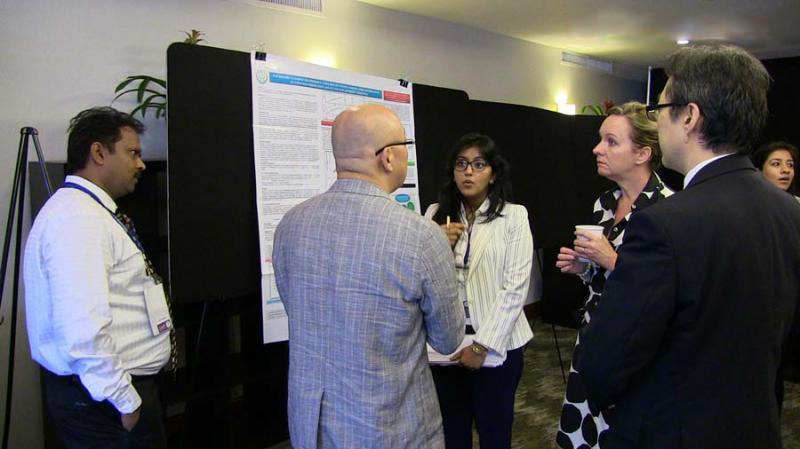 Dr Kashish Aziz at an event
She received her early education at Delhi Public School, completing her schooling in 2004. She then pursued a Bachelor of Pharmacy (B.Pharm) from Jamia Hamdard University. Later, she completed a Master’s in Pharmaceutics with specialisation in Quality Assurance.
For her outstanding performance, she was awarded a gold medal by the then President of India, the late Dr APJ Abdul Kalam.
She subsequently completed her PhD in Pharmaceutics and received the “INSPIRE Fellowship” from the Department of Science and Technology. She is regarded as a specialist in Quality Assurance and is also recognised as a technologist.
She is currently pursuing an MBA from IIM Lucknow. She is also a member and secretary of the FOPIE Youth Wing and a member of the Indian Drug Manufacturers Association (IDMA).
 Dr Kashish Aziz with her father Abdul Mateen
She later completed a PhD in Pharmaceutics after receiving the Inspire Fellowship from the Department of Science and Technology. She also specialises in quality assurance.
Her journey was not without difficulties. Married at the age of 20 in 2007, Aziz gave birth to her first child at 21, around the same time she began her master's course in Pharmaceutics with a specialisation in quality assurance.
“I was married in 2007 at the age of 20. I gave birth to my first child but at the age of 21, the same time I joined my course of Masters (Master in Pharmaceutics with specialisation in QA),” she said.
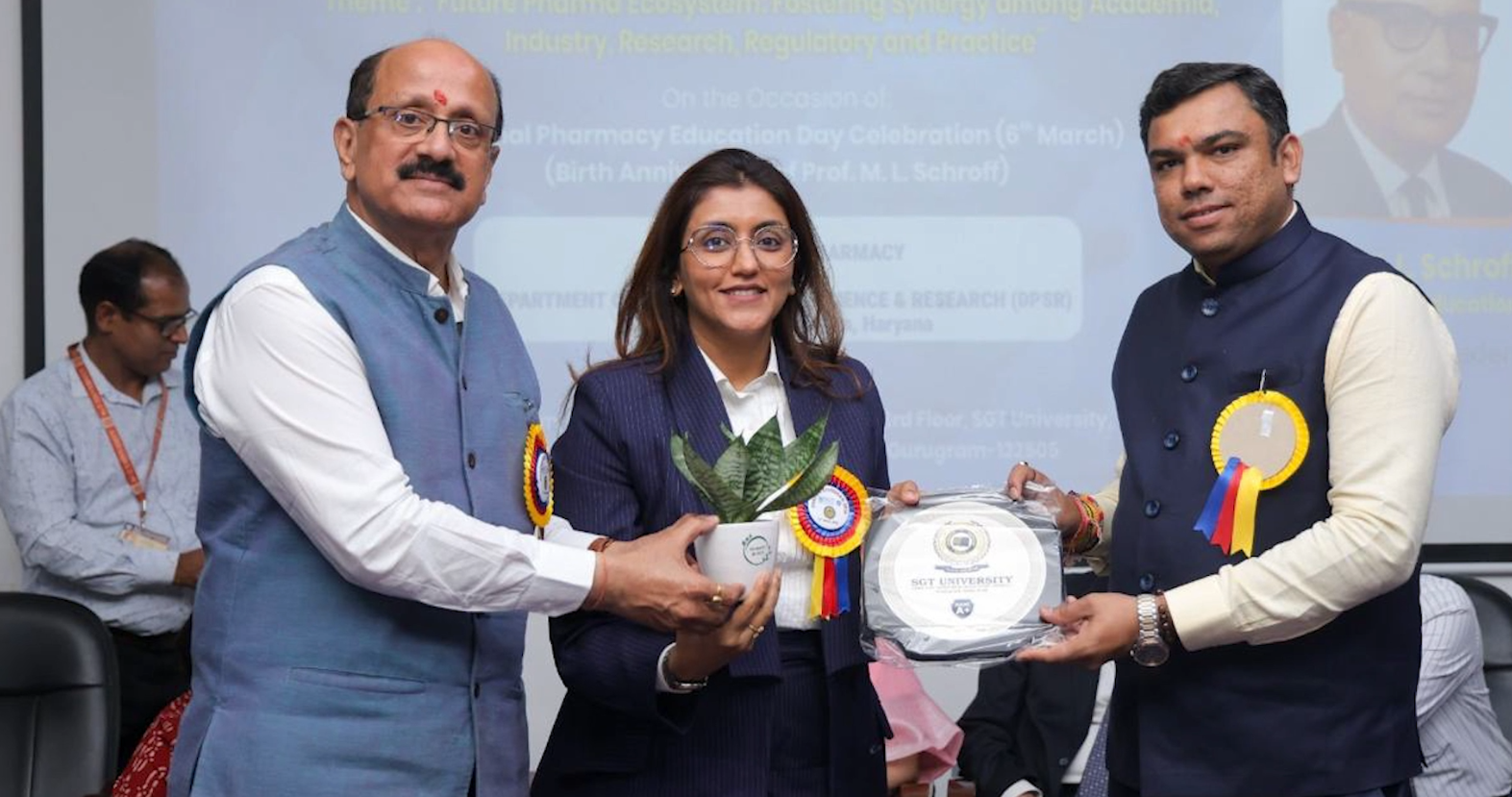 Dr Kashish Aziz being honoured
On her husband’s advice, she initially kept her studies hidden from her in-laws. When they eventually learned about it, she faced strong opposition. Determined to build a career, she later joined her father, Abdul Mateen, at Unicure India’s Noida unit.
For Aziz, quality in pharmaceutical manufacturing is not merely a regulatory requirement but the foundation of business credibility. Her responsibilities include quality assurance, monitoring production processes, validation and ensuring compliance with regulatory standards.
“Quality is never accidental; it is always the result of high intention, conscientious effort, intelligent direction, and skillful execution,” she says.
 Dr Kashish Aziz speaking at a public function
She has a simple message for her team: “Only a healthy horse can pull a strong cart. So my consistent message to the UniQure team is either stick to quality or quit.”
The emphasis on quality is particularly important in pharmaceutical manufacturing, where the quality of every batch is directly linked to patient safety. Raw materials and finished products therefore undergo testing and monitoring at multiple stages. Unicure also highlights a safe manufacturing environment, contamination-prevention infrastructure and dedicated storage facilities for sensitive and toxic substances.
According to the company’s website, Unicure employs more than 600 professionals, including around 100 people in highly skilled technical roles. Its business spans manufacturing, supply and exports of pharmaceutical products.
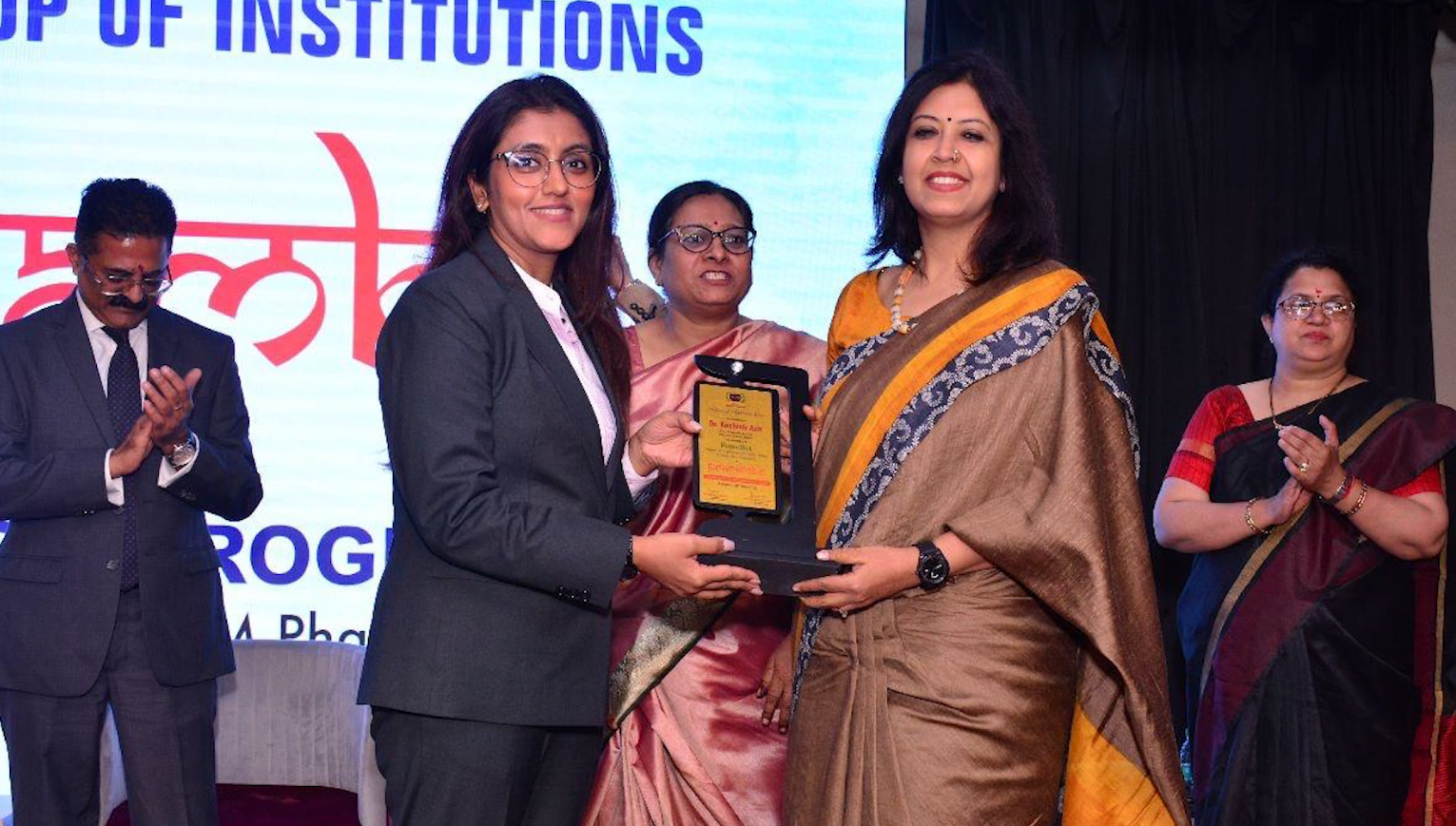 Dr Kashish Aziz at an event
The company operates in a highly competitive market where manufacturers must control costs without compromising quality. Raw material prices, supply-chain management, regulatory compliance and production capacity all influence performance.
Aziz believes that cost control should never come at the expense of quality. Lean manufacturing, automation and improved systems, she argues, can help increase efficiency and production capacity while maintaining standards.
Unicure also has a presence in international markets. Available global trade data records 703 export shipments to 39 buyers and 24 import shipments from nine suppliers. Pharmaceutical products under HSN codes 3004 and 3003 have been the primary drivers of its export activity.
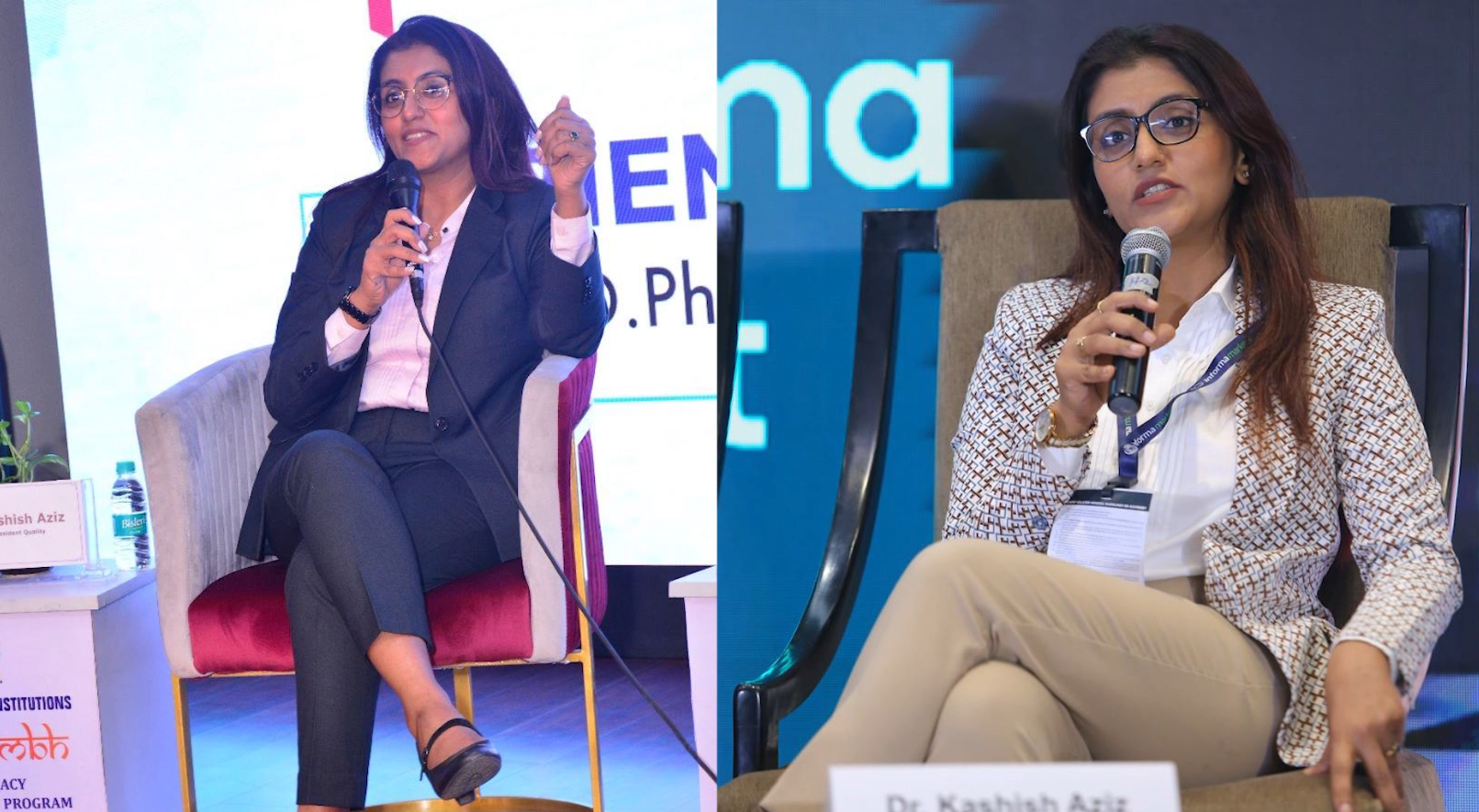 Dr Kashish Aziz
The company’s imports also highlight the importance of raw materials and Active Pharmaceutical Ingredients (APIs) to pharmaceutical manufacturing. Fluctuations in global supply chains, raw material prices and logistics costs can significantly affect production expenses, making efficient inventory management, automation and quality control increasingly important.
As India strengthens its position in the global pharmaceutical supply chain, companies such as Unicure will need to balance government business, contract manufacturing and exports while maintaining stringent quality standards.
READ MORE: Rear Admiral (retd) Khurram Shahzad Noor's fascinating journey
For Aziz, that balance is central to the future of pharmaceutical manufacturing—and to the credibility of the industry itself.