New Delhi
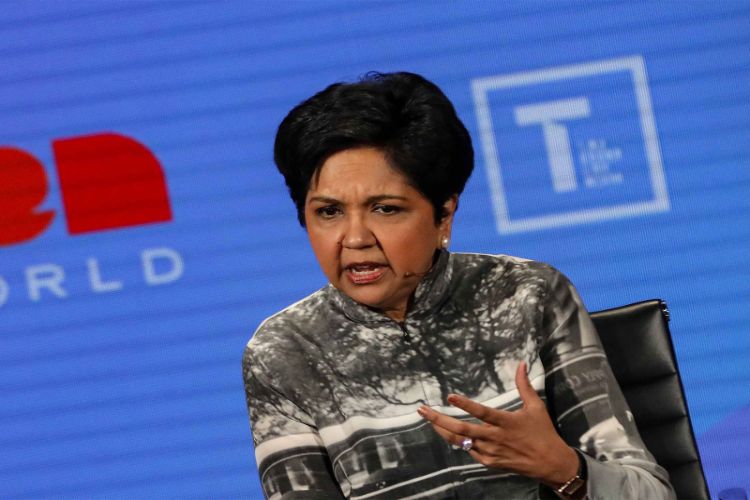
Former PepsiCo Chairperson and CEO Indra Nooyi on Wednesday underscored that meaningful economic and social progress is impossible if societies continue to underutilise women’s talent.
Addressing the 10th Convocation of the Vedica Scholars Programme for Women here, Nooyi said both businesses and communities must create systems that enable women to participate fully, stressing the need for stronger institutional support at workplaces as well as within families.
Drawing from her own experience of leading a multinational corporation while managing family responsibilities, Nooyi noted that there is no universal formula for achieving work-life balance. Careers, she said, evolve over time and are shaped by conscious decisions made at different stages rather than by striving for flawlessness.
She encouraged women professionals to define their priorities clearly, advising them to distinguish between areas where they want to excel, areas where competence is sufficient, and expectations they are prepared to release.
“This clarity helps women build sustainable careers without being weighed down by constant pressure,” she said.
Reflecting on her journey from PepsiCo’s Chief Financial Officer to its top leadership role, Nooyi emphasised that confidence in the workplace must be grounded in capability. She said credibility and influence come from subject mastery and consistent delivery.
On leadership, Nooyi observed that real authority is built through sound judgment and trust, not loudness or constant visibility. She highlighted the importance of mentorship, clear communication and what she described as constructive courage in navigating complex organisational environments and progressing into leadership roles.
ALSO READ: Kabir Khan's film on the Taj Mahal turns into India's soft power
She also pointed to the broader economic impact of unequal caregiving burdens, noting that without shared domestic responsibilities and supportive workplace policies, many women are compelled to scale back their careers, ultimately limiting their contribution to long-term economic growth











.webp "Representational Image")