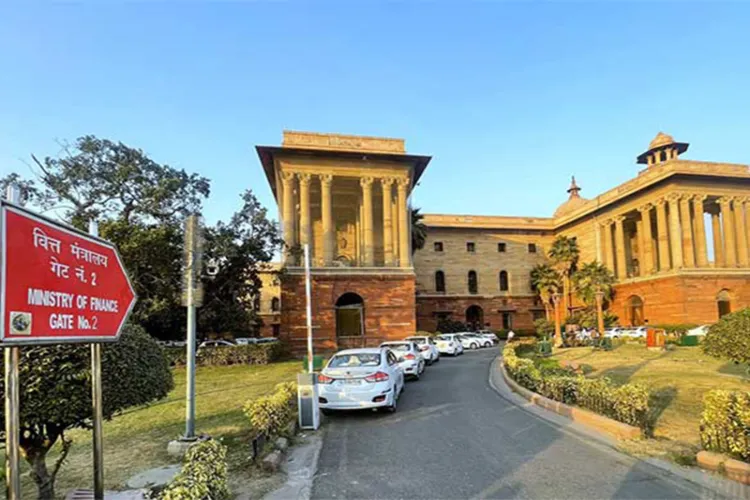
New Delhi
Strengthening domestic manufacturing and accelerating the ‘Make in India’ programme has emerged as the foremost expectation of industry stakeholders from the Union Budget 2026–27, according to a recent pre-Budget survey conducted by the Associated Chambers of Commerce and Industry of India (ASSOCHAM). Respondents highlighted regulatory complexity, high logistics and energy costs, and limited access to long-term finance as major barriers to expanding manufacturing capacity in India.
The Union Budget for the 2026–27 financial year is scheduled to be presented on February 1, in line with established practice.
The survey, which gathered inputs from professionals across sectors including manufacturing, services, infrastructure, IT and ITeS, start-ups and allied industries, found that business sentiment remains largely positive. About 55 per cent of participants expressed optimism regarding the economic outlook over the next year, while 32 per cent adopted a neutral view. Only 13 per cent reported a pessimistic outlook.
Among Budget priorities, boosting domestic manufacturing was identified as the most critical step towards achieving the goals of Aatmanirbhar Bharat and a developed India. This was followed by the need to strengthen micro, small and medium enterprises (MSMEs) and simplify taxation and compliance processes.
Industry respondents also placed strong emphasis on infrastructure and logistics expansion, skill development and job creation, as well as faster adoption of digital technologies and artificial intelligence to drive growth.
Although initiatives such as increased infrastructure capital expenditure, proposed GST 2.0 reforms and the Production Linked Incentive (PLI) schemes were viewed as positive in intent, many respondents felt their impact at the ground level has been limited. Around 35 per cent said these measures have yielded minimal benefits so far, while 39 per cent described the outcomes as moderate, pointing to the need for better policy design, broader reach and stronger last-mile implementation.
When asked about obstacles to manufacturing growth, respondents cited compliance and regulatory requirements as the most significant challenge. Other concerns included weak global demand, restricted market access, shortages of skilled labour, elevated logistics and power costs, and gaps in technology adoption and automation. Issues related to quality norms and certification processes were also flagged.
To support faster manufacturing expansion, industry participants recommended that the Budget focus on lowering the cost of long-term capital, improving credit access and introducing targeted tax benefits for technology upgrades, automation and AI integration.
Suggestions also included expanding PLI coverage to additional sectors, offering tax incentives aligned with Industry 4.0 adoption, rationalising customs duties on essential raw materials, and speeding up approvals and clearances at industrial parks, special economic zones and manufacturing clusters.
The survey highlighted the strong interdependence between manufacturing growth and MSME performance, noting that 55 per cent of respondents belonged to the MSME segment. Delayed payments and working capital constraints were identified as the most pressing challenges faced by MSMEs. This reinforced calls for cash-flow-based lending models, faster credit approvals using GST and e-invoicing data, and incentives to encourage timely payments.
On taxation, respondents continued to flag compliance-related difficulties, with many agreeing that complex TDS and TCS provisions impose heavy administrative and cash-flow burdens. More than half of the participants felt that the proposed Income Tax Act, 2025, would only partially achieve its objectives of simplification and greater certainty.
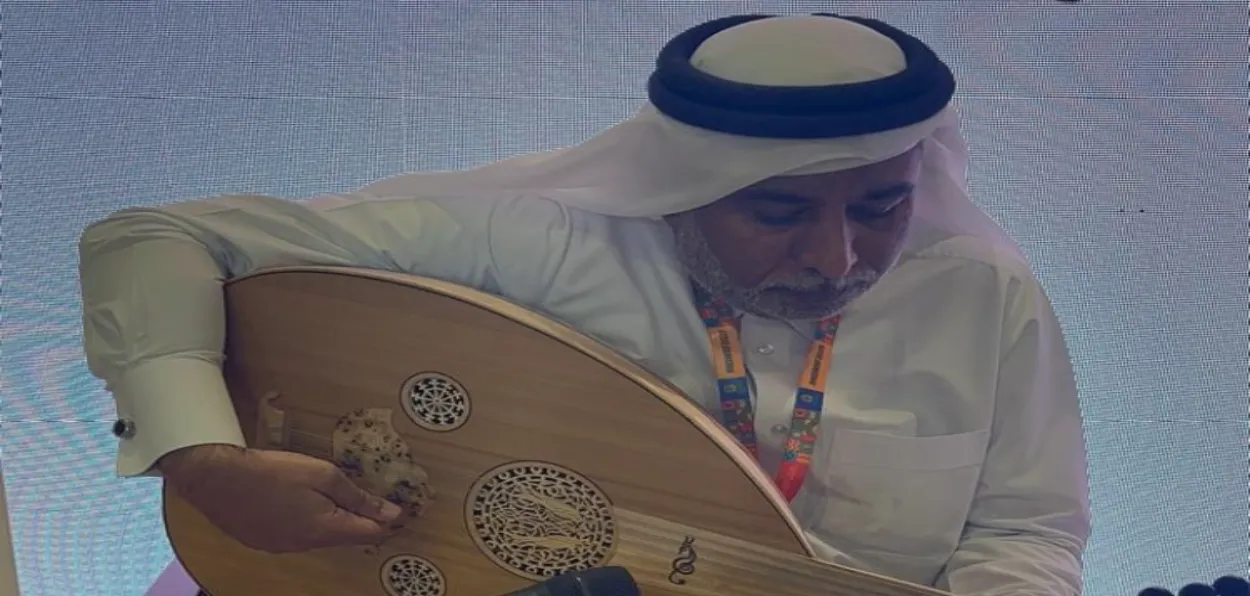
READ MORE: Osama played Oud and stole the show at New Delhi World Book Fair
Overall, the survey concluded that the Union Budget 2026–27 should focus on execution-driven reforms, streamline compliance systems and deploy well-targeted fiscal measures to attract private investment, support MSMEs and enable large-scale growth in manufacturing, the report said.




.webp "Sabarimala Temple")
.png)





.webp "Representational Image")

_(1).webp)