New Delhi
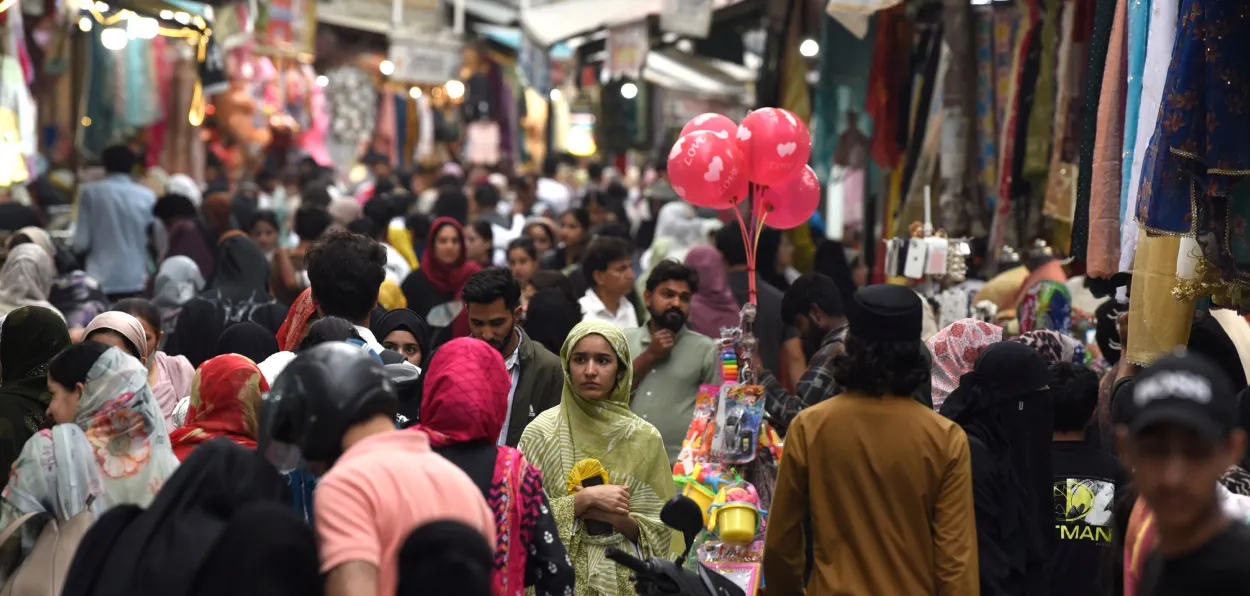
Nearly 80 per cent of rural households in India have reported higher consumption over the past year, indicating a clear rise in prosperity, according to NABARD’s latest Rural Economic Conditions and Sentiments Survey (RECSS).
The eighth round of RECSS — a high-frequency, bi-monthly survey conducted since September 2024 — presents the strongest evidence yet of a broad-based revival in rural demand, rising incomes, and improved household well-being. With a full year of data now available, the survey offers an extensive view of economic shifts, capturing both current conditions and future household expectations.
According to the findings, rural economic fundamentals have strengthened consistently between September 2024 and November 2025, with the ongoing consumption boom driven by real purchasing power. A key highlight: rural households now spend 67.3 per cent of their monthly income on consumption — the highest share recorded since the survey began, aided by GST rate rationalisation.
“This demonstrates strong, broad-based demand — not sporadic or concentrated in specific segments,” the Ministry of Finance said in a statement.
Income and investment surge
Income growth in rural India is at its strongest level so far, the survey showed.
— 42.2 per cent of households reported an increase in income, the best performance across all survey rounds
— Only 15.7 per cent reported any decline, the lowest share recorded
— 75.9 per cent expect incomes to rise next year, marking the highest optimism since September 2024
Rural investment activity has also accelerated. Around 29.3 per cent of households increased capital investment this year — the highest across all rounds — signalling renewed asset creation in both farm and non-farm sectors.
“The pick-up in investment is driven by strong consumption and income gains, not credit stress,” the ministry noted.
Formal credit access at all-time high
Formal credit penetration has reached a new peak, with 58.3 per cent of rural households relying solely on formal sources of borrowing, up from 48.7 per cent in September 2024. Informal credit, however, still accounts for about 20 per cent of borrowing, indicating the need for further deepening of financial inclusion.
Government support and inflation relief
Welfare transfers continue to play an important role in sustaining rural demand without creating dependency. On average, transfers supplement about 10 per cent of a household’s monthly income through subsidies on food, electricity, water, LPG, fertilisers, transport, pensions, and schooling.
“For some households, transfers exceed 20 per cent of total income, providing essential consumption support and helping stabilise rural demand,” the NABARD survey said.
Inflation perceptions have eased considerably.
— Average perceived inflation dropped to 3.77 per cent, falling below 4 per cent for the first time since the survey began
— 84.2 per cent perceive inflation at or below 5 per cent
— Nearly 90 per cent expect near-term inflation to stay under 5 per cent
“This disinflation has enhanced real income, improved purchasing power, and boosted overall welfare,” the finance ministry added.
Loan conditions, basic services improve
With inflation cooling and interest rates moderating, the share of income used for loan repayment has declined. Capital investment also rose sharply, with 29.3 per cent of households reporting higher spending on assets — the highest across all survey rounds.
Rural households also expressed high satisfaction with improvements in roads, education, electricity, drinking water, and health infrastructure — developments that, according to the survey, complement rising incomes and support long-term prosperity.
ALSO READ:NASA astronaut Pettit delights Muslims with his unique picture of Kaba
RECSS continues to serve as one of India’s most comprehensive assessments of rural economic health, capturing both quantitative indicators and household sentiment on income, consumption, inflation, credit access, investment, and expectations.









.webp "Representational Image")