Malick Asghar Hashmi / New Delhi
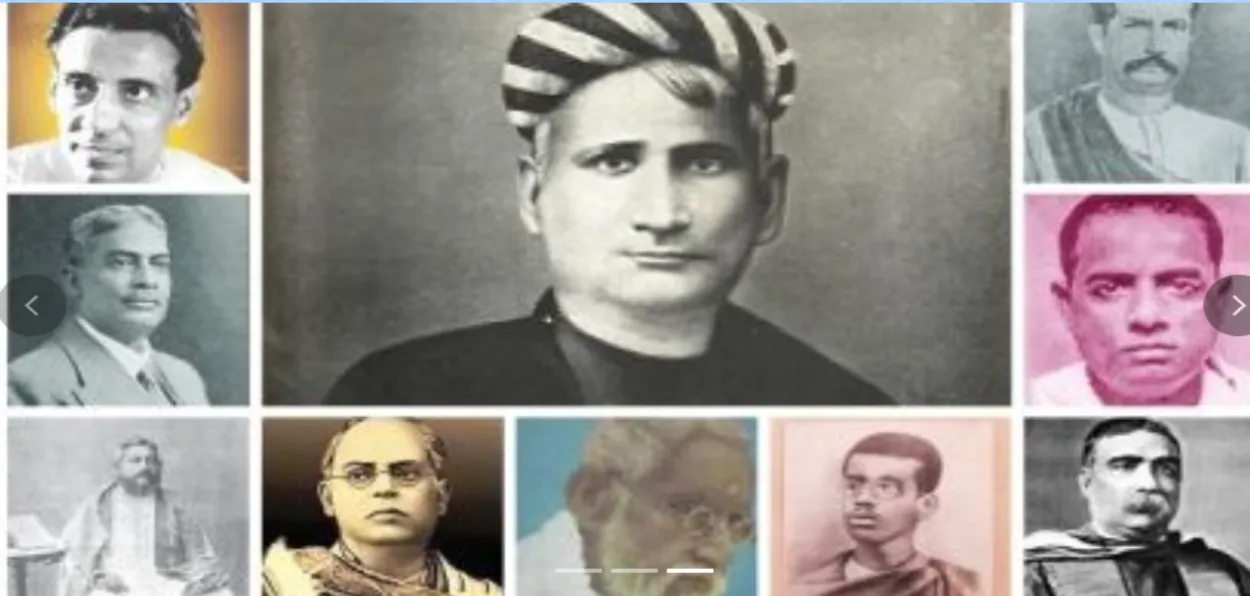
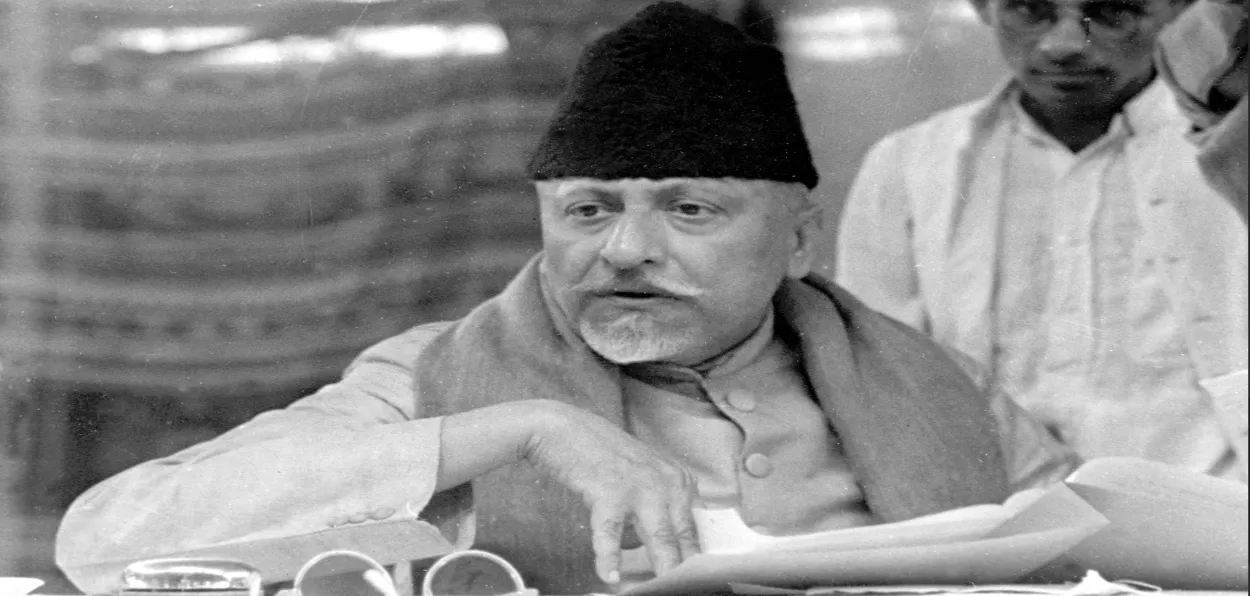
The debate on 150 yearsof national song Vande Mataram in the Lok Sabha has sparked interest in the epic novel "Anandamath" by Bankim Chandra Chattopadhya, and people are keen to knowabout the legendary author’s life.
Bankim Chandra was educated at the Hooghly Mohsin College, founded on August 1, 1836, by a Muslim philanthropist, Mohammed Mohsin.
Born on 27 June 1838 in Kanthalpada village of 24 Pargana district of West Bengal, Bankim Chandra Chatterjee joined the Hooghly Mohsin College for graduation.
The college was an important centre of higher education in Bengal at that time. Although he later earned his BA degree from Presidency College in 1857, his studies at Mohsin College left a mark on his thinking and proved to be a key turning point in his literary career.
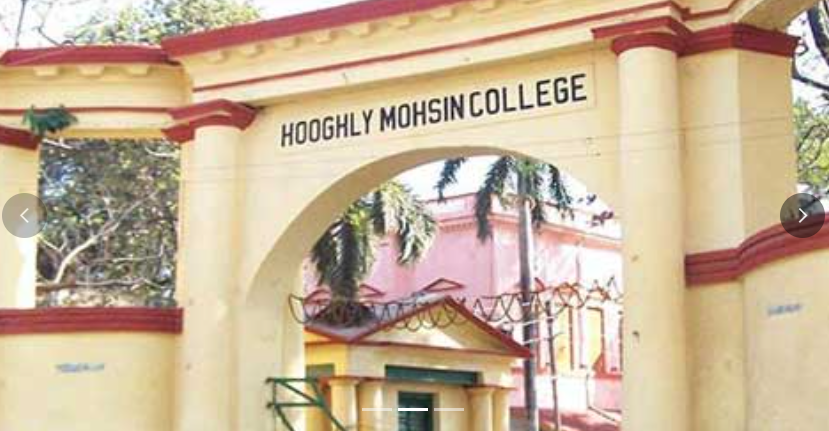
The Old entrance of the Hoogly Muslim College
During his days inthe College here, he developed a deep understanding of English, history, philosophy, and Bengali literature, which later formed the basis of his writings.
Many memories of his student days at Hooghly Mohsin College are still preserved. Bankim Chandra's photographs are prominently displayed on the website and the administrative building of the college incelebrate his literary spirit.
Hooghly Mohsin College was founded by Mohammed Mohsin, who dedicated his wealth to the cause of education and society. Established in 1836, the college was one of the earliest modern institutions in India to open after the Macaulay Report, which established English as the primary medium of instruction in India, promoting Western science, literature, and thought over traditional Indian learning.
In an era when resources for higher education were limited, the establishment of such a college by a Muslim philanthropist was both historic and a rare example of social harmony.
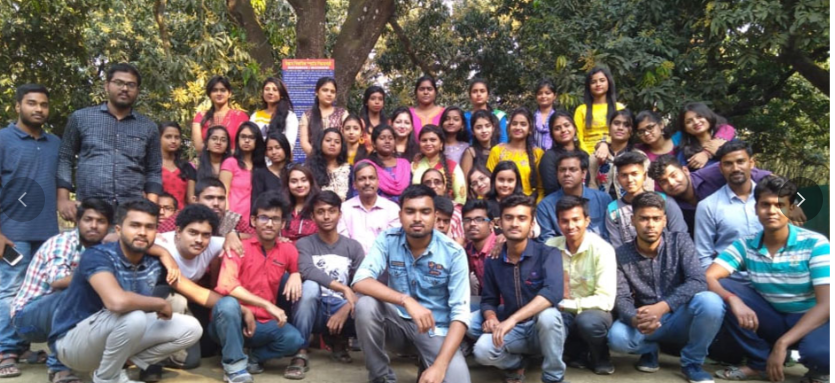
Students of the Hoogly Muslim College
Today, the college stands with its 189-year-old legacy and is a testimonyto the fact that the Indian education system was built through the combined efforts of various religious, social and cultural communities.
Today, the Hooghly Mohsin College is affiliated with the University of Burdwan. It was previously affiliated with the University of Calcutta, established in 1857. The college offers undergraduate and postgraduate courses in various branches of science, commerce, and the arts.
 The college recently received a B++ gradefrom the NAAC. It is also designated as a "College with Potential for Excellence" by the UGC and a "Star College" by the Department of Biotechnology, Government of India. The college is also strengthening science education under the DST-FIST scheme. Muslims are the largest community in Hooghlydistrict after theHindus.
The presence of a large number of Muslim students and staff at present is a testament to the fact that this institution has been following an educational model that has taken all communities along since its inception.
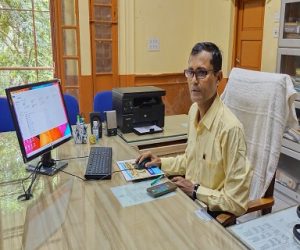
College Principal Dr.Purushottam Pramaniksaysthat he wantsto provide quality education to the students equippedwith skills, confidence and positive thinking, and his aimis that thestudents coming outfrom hereshould not only be knowledgeable but also become responsible global citizens.
The institute is a leader not only in education but also in research. Some departments, such as Urdu, Geology, and Physiology, are also recognised as stand-alone PhD centres of the university.
To promote research in the college, a special Research and Seminar Sub-Committee is functioning, which organises the presentation of research papers, micro-research ofstudents and invited lectures by scholars from India and abroad.
This provides students with anopportunity to engage in cutting-edge research and global academic activities.
Today, whenthe chants of 'Vande Mataram' are resonating inthe country, the legacy of Hooghly Mohsin College reminds us that India's cultural and educational heritage has always been basedon diversity, inclusion and shared efforts.







.webp)