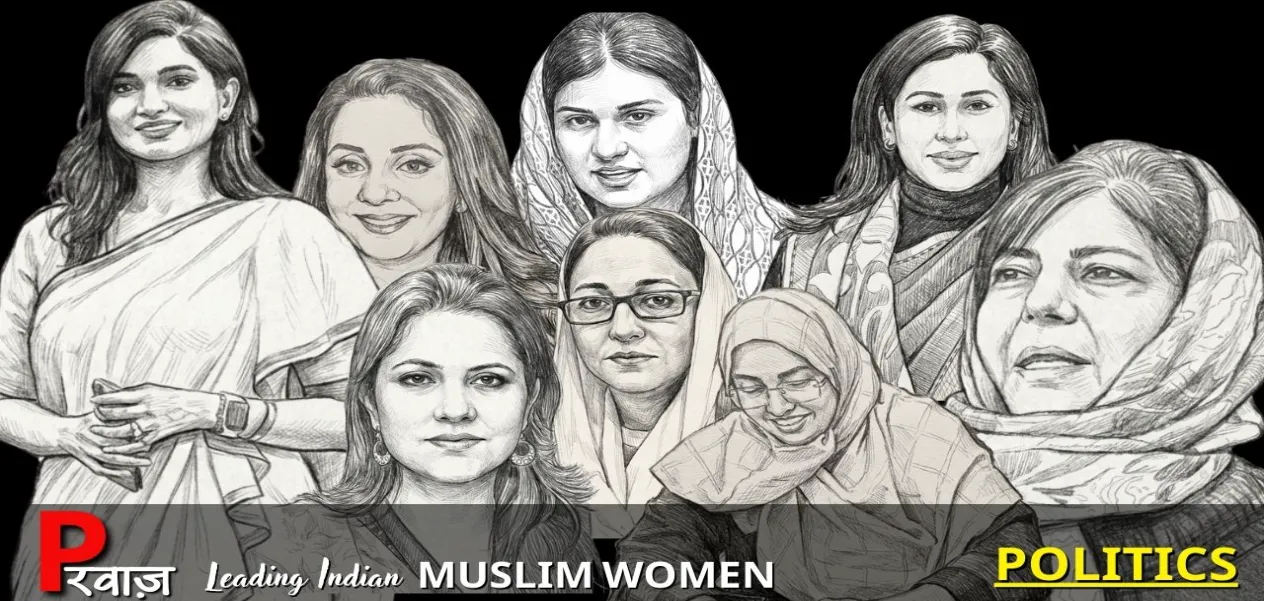
New Delhi
When women step into politics, they do more than just occupy positions of power—they redefine courage, service, and leadership. Across parties, ideologies, and regions, these women have challenged stereotypes, navigated resistance, and carved spaces of influence through conviction and compassion.
Awaz-the Voice brings you the stories of Muslim women who have risen in life to leadership positions by the dint of their hard work and capabilities. This is the first in the series and on women in politics. These women have defied stereotypes and reached top positions in political leadership through their consistency, hard work and above all integrity.
Here is the list of ten Muslim political leaders who are extraoirdinary and hence role models for all the Indian women:
Darakhshan Andrabi
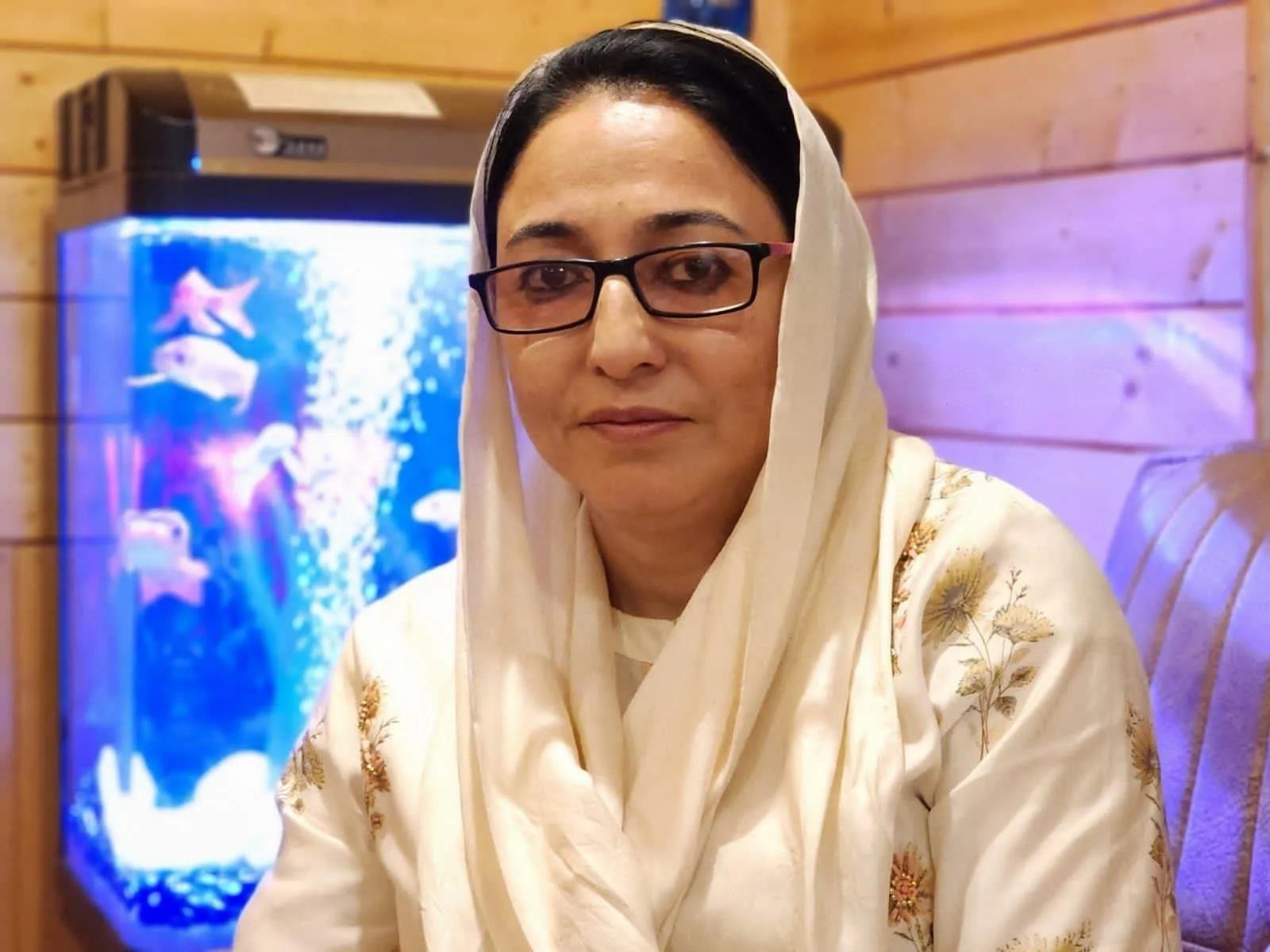
A fearless and uncompromising national voice from Kashmir, Darakhshan Andrabi represents political courage in its truest sense. As a national executive member of the Bharatiya Janata Party and the first woman Chairperson of the Jammu and Kashmir Waqf Board, she has transformed the religious places and peoperties after taking charge in March 2022.
Andrabi has transformed religious places, streamlined the finances and utilisation of the properties of Waqf. This is something the men in the similar positions had never even thought of. By the way, Andrabi is also the first woman to head a Wakf Board.
With a political journey spanning three decades, she has consistently opposed separatist ideology while steering the Waqf Board towards transparency through digitisation and reform. Beyond administration, her advocacy for peace, women’s empowerment, and social welfare in region stands out. An accomplished poet, academic, and former editor, Andrabi’s contributions to Kashmiri and Urdu literature further enrich her multidimensional public life.
Dr Sameena Begum
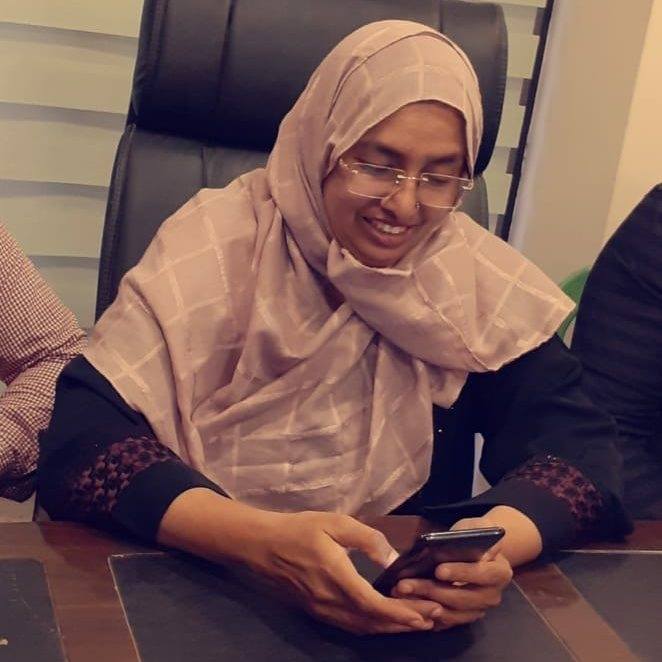
Dr Sameena Begum embodies quiet, action-oriented leadership rooted in service. A senior leader of the All India Majlis-e-Ittehadul Muslimeen and Corporator from Kurmaguda Division in Hyderabad, she balances grassroots governance with her professional identity as a medical doctor and entrepreneur.
Founder of the Samina Group of Hospitals, she transformed a modest maternity home into a trusted multi-specialty institution while also investing in education and vocational training. Her frontline role during the COVID-19 pandemic, consistent civic engagement, and focus on women’s empowerment have earned her deep public trust, showing how principled politics can directly translate into community well-being.
Iqra Hasan
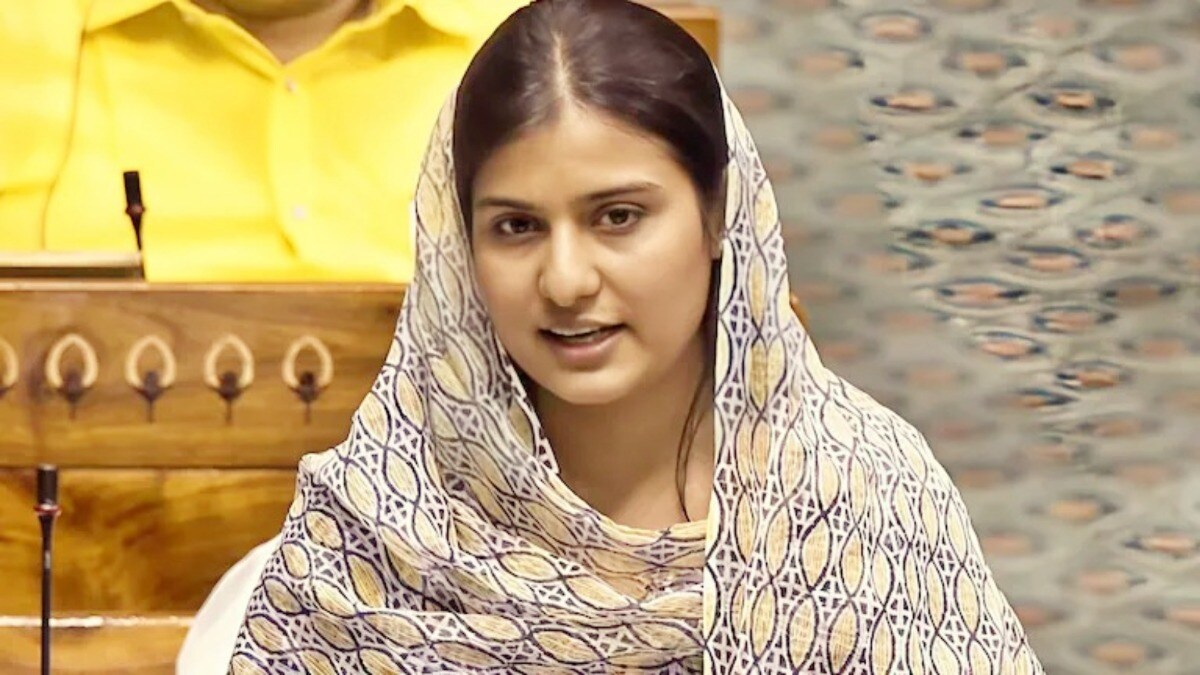
Iqra Hasan represents a new generation of political leadership that blends inherited legacy with thoughtful preparation and a contemporary vision. Born into a family deeply engaged in public life, with her father Munawwar Hasan having served four terms as a Member of Parliament from Kairana in western Uttar Pradesh, she grew up closely observing the realities of governance and public accountability.
However, her political journey is shaped as much by deliberate learning as by lineage; trained in law in India and abroad, she entered politics with a strong grounding in constitutional values and civic rights.
Navigating a region marked by agrarian distress, unemployment and identity-driven politics, Iqra Hasan has responded to scepticism about her age and experience through consistent grassroots engagement rather than aggressive rhetoric.
As a young Muslim woman in Parliament, she challenges stereotypes quietly, focusing on issues such as education, employment, farmers’ welfare and democratic rights. Her trajectory reflects an effort to carry forward a political tradition while adapting it to the expectations of a new generation, underscoring the idea that meaningful leadership is built on empathy, preparation and purpose rather than inheritance alone.
Kausar Jahan
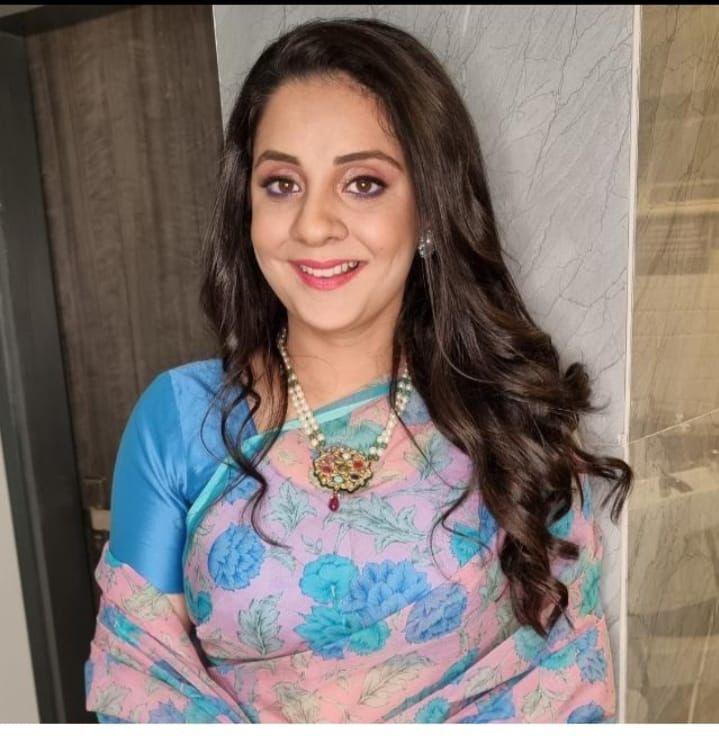
Kausar Jahan’s public journey reflects resilience shaped by personal loss and public service. Elected in February 2023 as only the second woman Chairperson of the Delhi Haj Committee, she blends empathy with administrative resolve.
Having lost both parents during the pandemic, she chose to remain rooted in India despite opportunities abroad, engaging in entrepreneurship, social work, and women’s empowerment through initiatives like Sampoorna. Now associated with the Bharatiya Janata Party, her inclusive vision, warmth, and strong national outlook position her as a new-generation leader driven by harmony and service.
Mehbooba Mufti
.jpg)
A pioneer in Jammu and Kashmir’s turbulent political landscape, Mehbooba Mufti won her first Assembly election during the peak of militancy when mainstream politics itself was under threat. Entering public life in 1996, she went on to become the first woman Chief Minister of the erstwhile state, serving from 2016 to 2018.
Co-founder of the People’s Democratic Party, she shaped regional politics through coalition governments, parliamentary roles, and sustained advocacy. Even after detention following the abrogation of Article 370 and recent electoral setbacks, Mehbooba Mufti remains a resilient and influential voice in Kashmir’s contemporary discourse.
Today, she steers her party PDP as J&K's opposition and raises issues of public concern.
Mumtaz Thaha
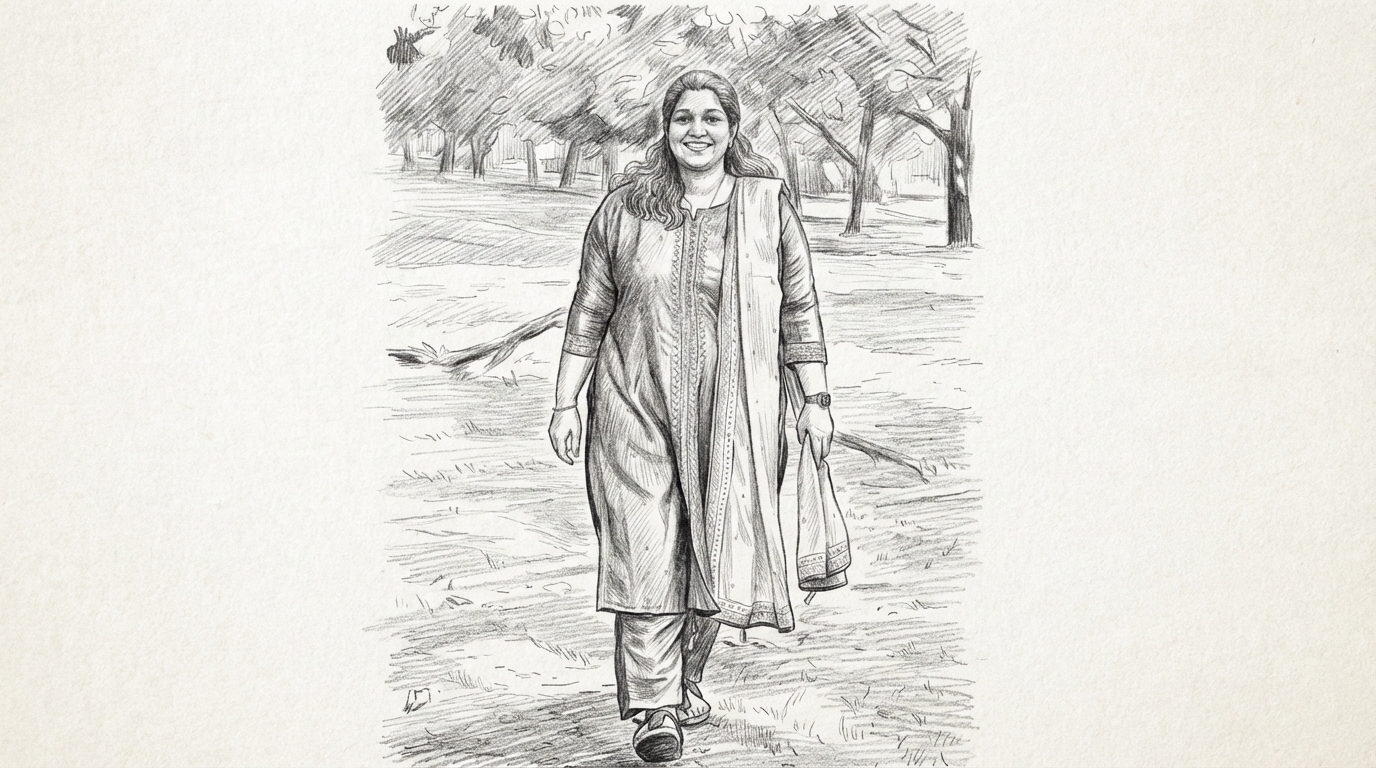
Mumtaz Thaha made history as the first Muslim woman councillor of the Thrissur Municipal Corporation, winning from the Kannankulangara ward as a Bharatiya Janata Party candidate in a predominantly Hindu constituency. Grounded deeply in her locality, she built trust through sustained grassroots engagement, foregrounding her identity as a daughter of the ward over religious labels.
Inspired by J Jayalalithaa, she now focuses on local governance, women’s education, and minority empowerment, representing a new, rooted form of leadership shaped by perseverance and cross-community outreach.
Saira Shah Halim
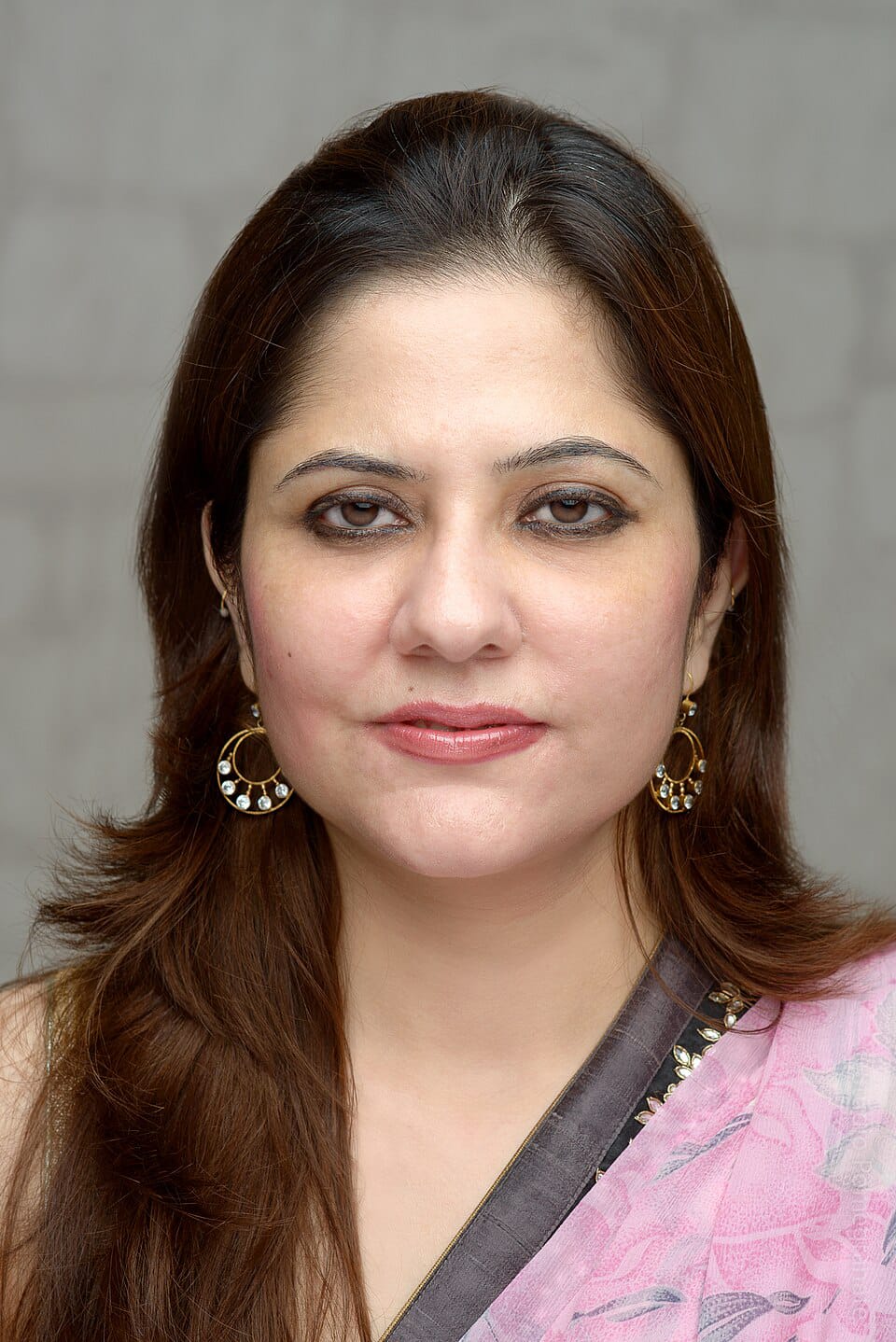
Saira Shah Halim is a prominent Left politician, social activist, and author associated with the Communist Party of India (Marxist) (CPI(M)). Based in Kolkata, she has established herself as a vocal progressive voice, particularly on issues of gender justice, secularism, and human rights. She made her political debut in the 2022 Ballygunge Assembly by-poll, where she significantly increased the party's vote share, finishing as the runner-up.
In 2024, she contested the Lok Sabha Elections from the Kolkata Dakshin constituency.
She recently wrote the book Comrades and Comebacks: The Battle of the Left to Win the Indian Mind, on the left politics. She was in the corporate sector.
Shama Mohammad
.jpeg)
Shama Mohammad’s political journey is marked by resilience against patriarchy, religious bias, and the absence of dynastic privilege. A former dentist and journalist, she entered politics to be part of systemic change rather than a commentator on it.
As an Indian National Congress spokesperson and grassroots worker in Kerala, she has consistently raised issues of women’s representation and minority inclusion. Through the Zoya Charitable Trust, her work in education, healthcare, sports, and women’s empowerment reflects her belief that public service must extend beyond party platforms.
Sofia Firdaus
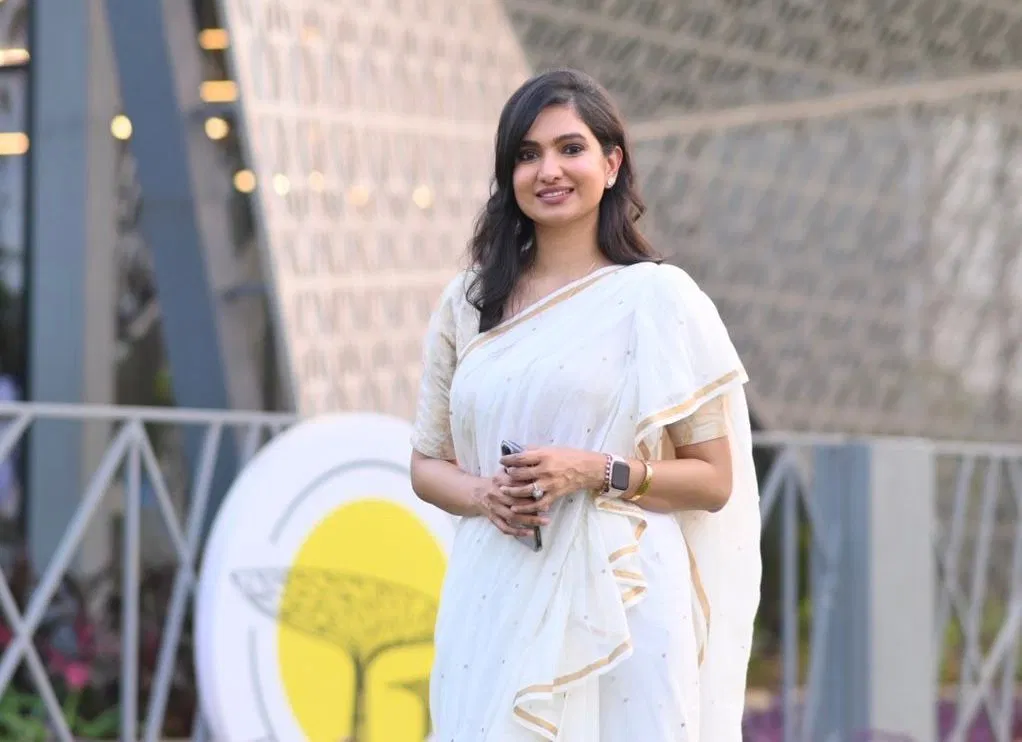
Sofia Firdaus emerged as one of India’s few Muslim women legislators through an unexpected political entry during the 2024 Odisha Assembly elections.
Contesting from Barabati Cuttack at short notice, she won convincingly despite representing a constituency with a negligible Muslim population. Transitioning from real estate entrepreneurship to active politics, she has since focused on reviving Cuttack’s economic and cultural prominence, supporting the silver filigree industry, and prioritising education and employment—especially for women. Her mandate stands as a testament to cross-community trust.
Zahida Khan
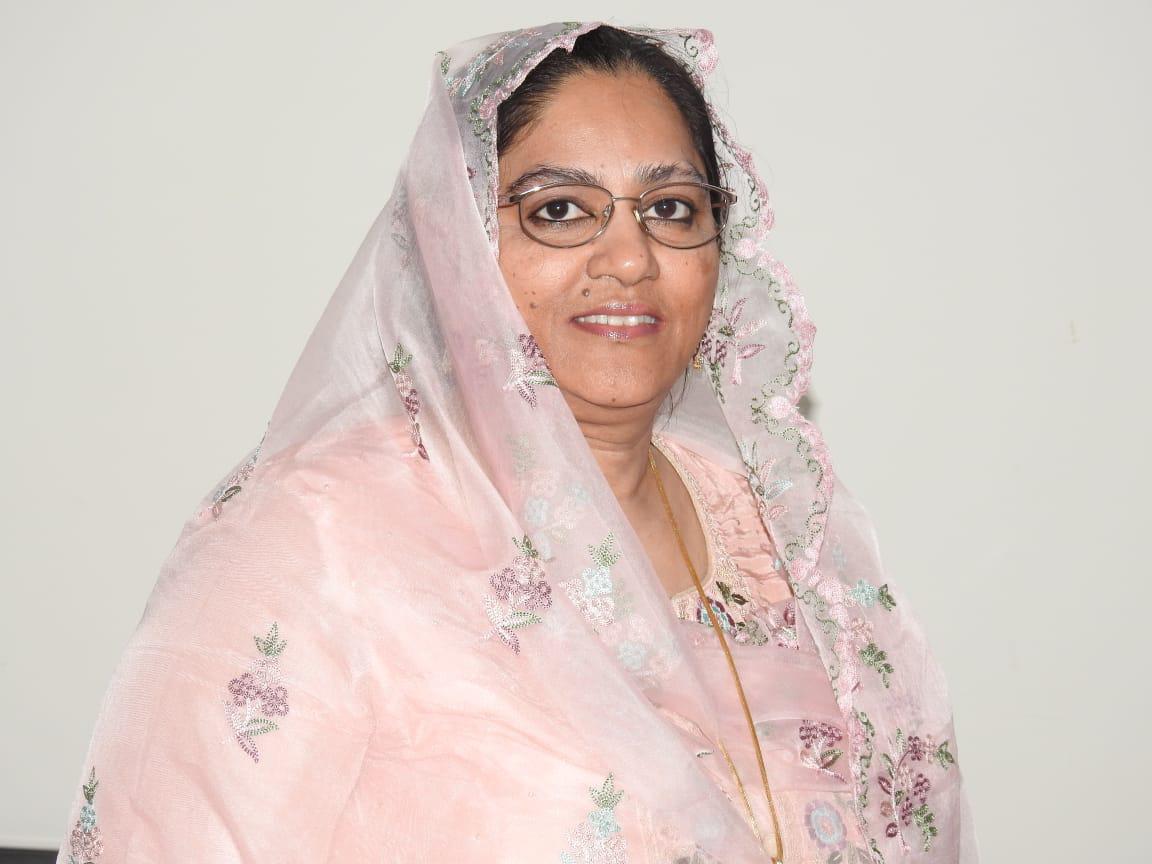
Zahida Khan is a pioneering figure in Mewat politics and Rajasthan’s first woman MLA from the region. Moving from a successful legal career into public life, she carried forward a three-generation legacy of social reform rooted in education and minority rights. Twice elected as an MLA and serving as Rajasthan’s Education Minister, she prioritised girls’ education, social justice, and cultural development.
Her journey reflects principled politics anchored in service, inspiring not just women but entire communities to pursue dignity and inclusive progress.
READ MORE: Temple serves Sehri to Muslim Mahout
Together, these women form the spirit of Parwaaz, proof that politics, when guided by courage and conscience, can become a powerful instrument of inspiration and change.

_(1).jpg "Visitors gather at the Santosh Mitra Square Durga Puja pandal, themed on the 150th anniversary of Vande Mataram and its historic role in India's freedom movement, ahead of the festival, in Kolkata")
.jpg "Gujarat’s women entrepreneurs bring their craftsmanship to life during Navratri")





.webp "Dipika Pal shaping an idol")



.webp)