Ashhar Alam/New Delhi
Tehmina Punvani offered a rare glimpse into her grandmother’s life. Her grandmother, Begum Qudsia Rasul, was no ordinary woman; she was the only Muslim woman in the Constituent Assembly that drafted India’s Constitution in 1949.
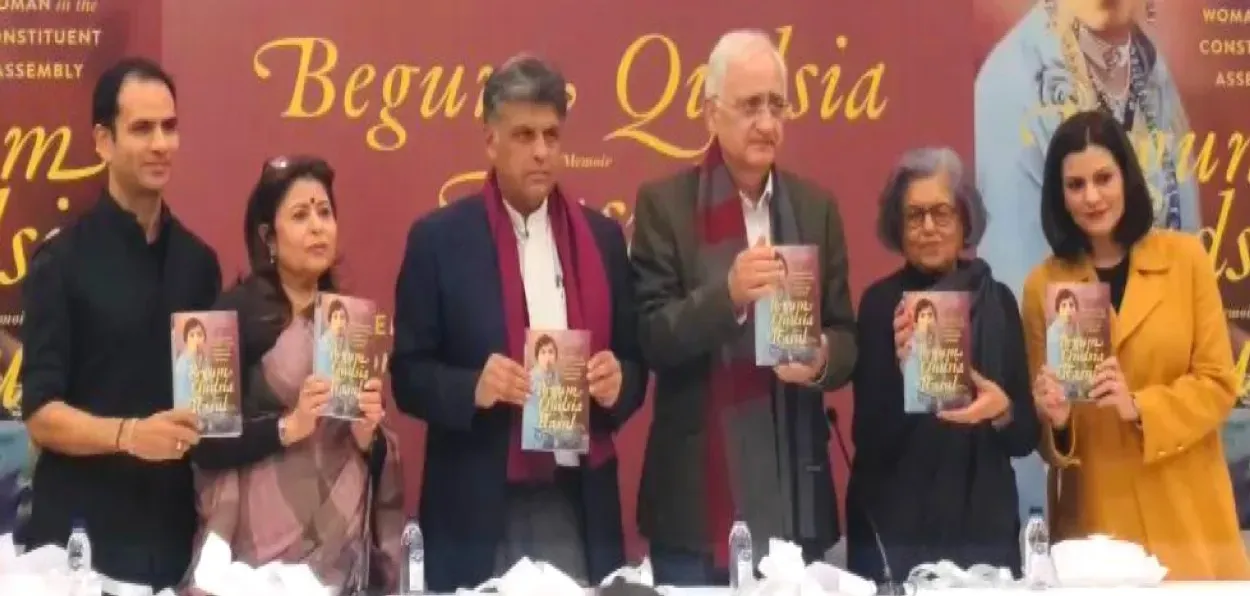
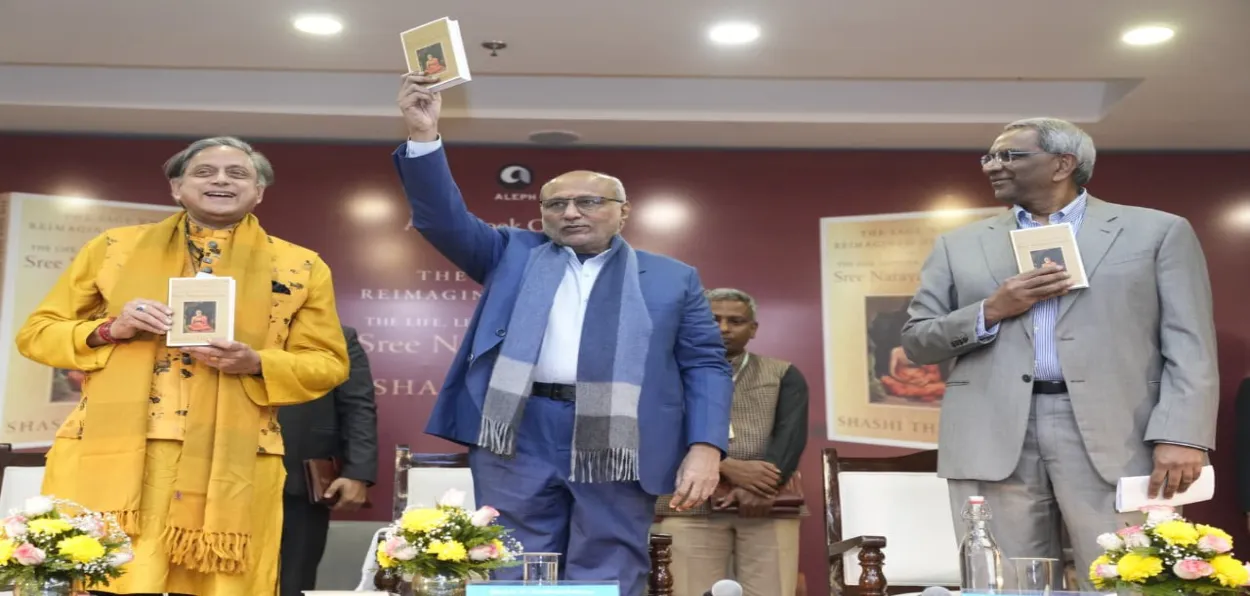
The occasion was the launch of Begum Qudsia Rasul’s book, 24 years after her death.
Tehmina Punvani, a lawyer, is the daughter of Begum Qudsia’s daughter.
Speaking at the book launch in Delhi, Tehmina said, “For the world, she was a fearless political figure, but for me, she was my Ammijan, gentle, grounded and unwavering in her integrity.”
Punvani recalled the period when a fatwa was issued against Rasool for entering public life. While the family felt fear, Rasul was composed.
“If my conscience is clear, no decree can frighten me,’ she would say,” Punvani recounted, drawing applause from the audience.
The book, Begum Qudsia Rasul - The Remarkable Life Of The Only Muslim Woman In the Constituent Assembly, is a relaunch of her autobiography "From Purdah to Parliament: The Memoirs of a Muslim Woman in Indian Politics” on the life and political legacy of this remarkable Muslim woman leader of India.

The Book Begum Qudsia Rasul - The Remarkable Life Of The Only Muslim Woman In the Constituent Assembly
The event brought together journalists, lawyers, and political leaders to revisit the contributions of a woman forgotten in mainstream historical narratives.
Moderated by journalist Nidhi Razdan, the panel featured Salman Khurshid, Indira Jaising, Manish Tewari, and senior lawyer Tehmina Punvani.
Begum Qudsia Rasul, born in 1909, was the only Muslim woman in India’s Constituent Assembly. A trailblazing politician, she opposed religious reservations, championed minority rights, and promoted women’s hockey.
Elected to the Rajya Sabha and Uttar Pradesh Assembly, she received the Padma Bhushan in 2000.
Besides being the only Muslim woman in the 1946 Constituent Assembly, she fought for minority equality and opposed religious reservations.
Qudsia Begum was also elected to the UP Assembly, Rajya Sabha and served as a minister.
She is credited with promoting women’s hockey, and a Hockey Cup is named after her. She was a trailblazing woman for giving up purdah. Besides her autobiography, she has authored a travelogue, Our Bapu, a book on Mahatama Gandhi and Hayat-e-Qudsi, about Bhopal's Begums.
Tehmina said that despite her political stature, Rasul stayed close to the grassroots. “She met women daily, listened to their concerns, and worked for them without fanfare. Activism, for her, was a duty, not an identity.”
Other speakers highlighted Rasul’s exceptional resilience in an era when Muslim women faced social barriers.
Former Union Minister Salman Khurshid explained that Qudsia had won from a general seat to the United Province Assembly despite many technical hurdles. “It was an extraordinary act of courage,” he said.
Congress MP Manish Tewari underlined the democratic significance of her public life: “Her presence in the Constituent Assembly reflected India’s openness at a time of enormous political and social turbulence.”
Noted lawyer Indira Jaising praised Rasul’s moral clarity and empathetic leadership, calling her “a rare combination of conviction and humility.”
Speakers were unanimous in calling for acknowledging Begum Qudsia Rasul’s contributions and a prominent place for her in India’s political history.
ALSO READ: Mumtaz Khan's inspirational story as first TV professional from Mewat
Rolli Books has published this book.






.webp)