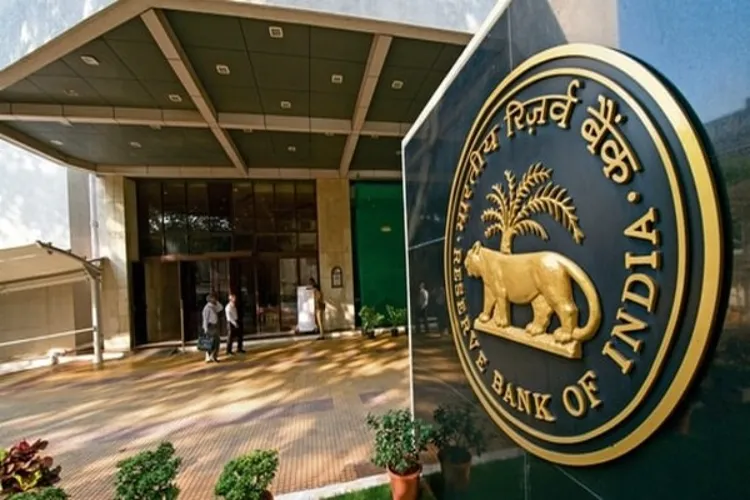
Mumbai
The Reserve Bank of India has said the Indian rupee is being increasingly used for import and export invoicing and settlement, reflecting the growing internationalisation of the currency and its expanding role in global trade.
In its annual report released on Friday, the RBI noted that several measures introduced in recent years have encouraged the use of the rupee for both current account and select capital account transactions. According to the central bank, wider use of the rupee in global trade can help reduce exchange rate risks, lower dependence on foreign currencies, cut transaction costs, and decrease the need for maintaining large foreign exchange reserves.
The RBI highlighted a significant rise in rupee-based trade settlement since July 2022. Between August 2022 and July 2025, imports invoiced in rupees recorded a compound annual growth rate (CAGR) of 20.9 per cent, while exports invoiced in rupees grew by 12.7 per cent.
The latest data for 2025-26 also showed year-on-year growth across trade transactions conducted in rupees. Export invoicing rose by 6.5 per cent, import invoicing by 9.5 per cent, export settlements by 2.7 per cent, and import settlements by 41.2 per cent compared to the previous year.
In absolute terms, rupee invoicing for imports reached Rs 2.85 lakh crore in 2025-26, up from Rs 2.60 lakh crore in 2024-25. Export invoicing rose to Rs 3.27 lakh crore from Rs 3.07 lakh crore during the same period.
Import settlements in rupees climbed sharply to Rs 1.60 lakh crore in 2025-26, compared to Rs 1.13 lakh crore in the previous fiscal. Export settlements stood at Rs 1.72 lakh crore.
The RBI said the internationalisation of the rupee has been beneficial for India and its trading partners, while also encouraging greater use of emerging market currencies in international trade arrangements based on reciprocity.
READ MORE: Bashir Badr: people's poet whose words echoed from college canteens to political corridors
The report added that the rupee traded with a depreciating bias during the last financial year due to global trade uncertainties, geopolitical tensions, and foreign portfolio investment outflows from the equity market.










.webp "Representational Image")