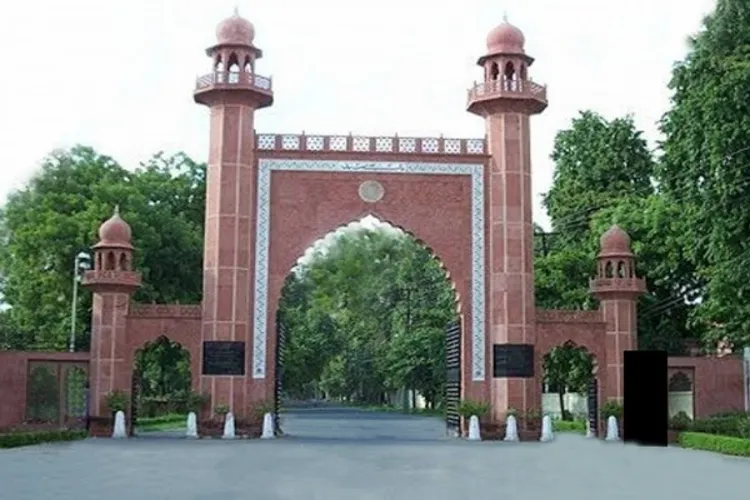
Aligarh
Researchers at the Aligarh Muslim University have identified a new multidrug-resistant bacterial genome in wastewater flowing through Aligarh, highlighting growing concerns over antibiotic resistance in densely populated urban regions.
The study, conducted at the university’s Interdisciplinary Biotechnology Unit, was published in the April edition of the scientific journal Molecular Biology Reports.
The research team, led by Asad Ullah Khan, Shamsi Khalid and Absar Talat, has been studying antibiotic resistance genes for more than a decade.
According to the findings, genome sequencing of a bacterial isolate named “AK 633”, collected from a major city drain, revealed the presence of a rare “mosaic plasmid” carrying the NDM-7 gene, which is linked to resistance against multiple antibiotics.
Plasmids are small DNA molecules found within bacteria that can transfer genetic material, including drug-resistant traits, between bacterial cells. A mosaic plasmid forms through genetic recombination and can combine resistance traits from multiple bacterial sources.
The researchers said the NDM-7 gene belongs to the New Delhi Metallo-beta-lactamase family, known for making bacteria resistant to carbapenems, a category of antibiotics often used as a last line of treatment when other medicines fail.
The study further indicated that the plasmid known as “p1550” may contribute to the international spread of highly resistant bacterial strains.
Speaking to PTI, Khan said the findings highlight the urgent need for broader national surveillance and public awareness programmes to monitor and control antibiotic-resistant bacteria.
He pointed to untreated waste disposal, particularly hospital waste, along with poor drainage systems, as major contributors to the spread of antibiotic resistance.
Khan also cautioned against unsafe drain-cleaning practices in urban areas.
“After drains are cleaned, sludge is often left on roadsides for extended periods instead of being promptly removed. This can aid the spread of resistant organisms,” he said.
The researchers emphasised that genotypic analysis, which studies the genetic structure of bacterial isolates, plays a key role in understanding how resistance genes spread in both hospitals and communities.
According to Khan, at least 94 variants of NDM genes have been identified globally so far, many of which are increasingly being detected outside hospital environments as well.
“These are among the major causes of resistance to last-resort antibiotics,” he said.
READ MORE: Syed Mubin Zehra’s scholarship inspires beyond classrooms
The team noted that although some Indian laboratories are carrying out similar studies, a far larger scientific and public health response is necessary to address the growing challenge posed by multidrug-resistant bacterial genomes.











.webp "Representational Image")