




Ashhar Alam/New Delhi
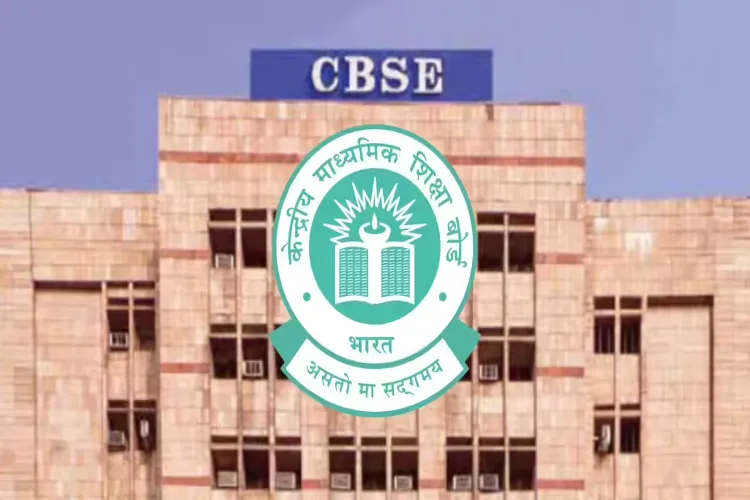
In a major overhaul of its evaluation process, the Central Board of Secondary Education (CBSE) has announced that it will implement On-Screen Marking (OSM) for Class 12 Board examinations from 2026, marking a decisive shift towards digital assessment.
The move, aimed at improving transparency, speed and accuracy, was conveyed in a February 9 circular to principals and heads of CBSE-affiliated schools. While Class 12 answer scripts will be assessed digitally, Class 10 evaluations will continue in the conventional physical mode for the 2026 session.
Under the OSM system, students’ answer sheets will be scanned and uploaded onto a secure digital platform where examiners will evaluate them on computers. The software will automatically total marks, eliminating calculation errors and reducing manual intervention.
CBSE said the transition is part of its continued efforts to modernise examination practices. The digital system is expected to streamline coordination, widen teacher participation and accelerate the evaluation timeline. By allowing teachers to assess copies from their respective schools, the Board anticipates savings in travel time and logistical costs, along with reduced manpower requirements.
The Board also highlighted that the new mechanism would make post-result verification of marks largely redundant, as automated tabulation will ensure accuracy. Additionally, the initiative is expected to support environmental sustainability by cutting down on physical handling and transportation of answer books.
CBSE conducts Class 10 and 12 examinations for nearly 46 lakh students each year across more than 31,000 affiliated schools in India and 26 countries abroad. The 2026 Board exams are scheduled from February 17 to April 10 at over 8,074 centres worldwide.
Emphasising global participation, CBSE noted that OSM would enable teachers from all affiliated institutions, both in India and overseas to be part of the evaluation process, significantly expanding the examiner pool.
To ensure seamless rollout, schools have been directed to upgrade infrastructure. Requirements include a computer lab with a public static IP, systems running Windows 8 or higher with at least 4 GB RAM and 1 GB free space, updated browsers, Adobe Reader, reliable internet connectivity of at least 2 Mbps, and uninterrupted power supply.
READ MORE: Muslim couple arrange wedding of their adopted Hindu son
To facilitate a smooth transition, CBSE will provide training modules, conduct mock evaluations, enable login access through OASIS IDs for familiarisation, release instructional videos and establish a dedicated call centre for technical assistance.
Detailed operational guidelines will be shared separately, the Board said, urging schools to ensure timely preparedness for the digital transformation.










.webp "Union Education Minister Dharmendra Pradhan")





_(1).webp)