




New Delhi/Ashhar Alam
Long before algorithms began composing tunes and beats were engineered for instant virality, love in Indian cinema flowed through poetry, patience and soul. The romantic melodies of the 1990s didn’t just accompany stories, they became stories themselves. Even today, decades later, their echoes remain etched in memory, quietly reclaiming space in playlists and hearts.
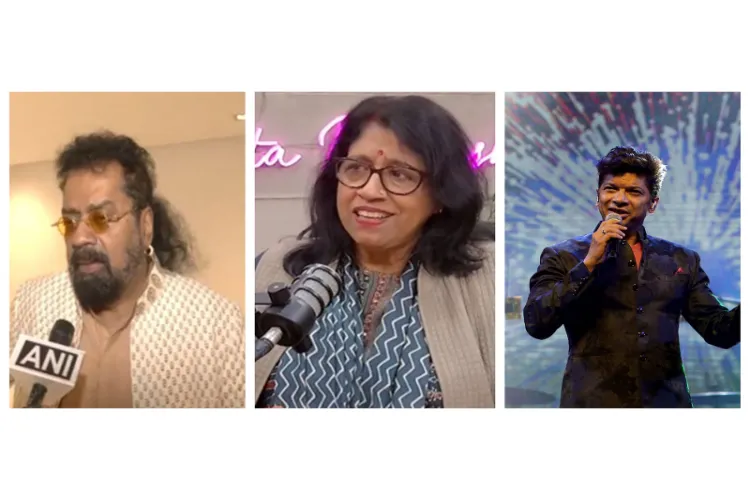
This Valentine’s Day, some of India’s most cherished musical voices, Kavita Krishnamurti, Hariharan, Anuradha Paudwal, Lalit Pandit and Shaan looked back at that golden era, reflecting on a time when romance was not manufactured, but felt.
For Kavita Krishnamurti, whose voice defined countless unforgettable love songs, music was once the emotional backbone of cinema. Songs carried the weight of every feeling love, longing, heartbreak, making them timeless. She believes her generation formed a bridge between the poetic richness of the past and the evolving soundscape of today. While she admires contemporary artists, she feels the lyrical depth that once defined romance has gradually faded.
Veteran singer Anuradha Paudwal echoed a similar sentiment, recalling how songs were allowed to grow naturally with audiences. They were not rushed. They settled into everyday life, becoming companions to personal memories and emotions.
Hariharan, whose voice brought alive classics like Tu Hi Re and Roja Jaaneman, described the 90s as a dream shaped by melody. Music, he said, was once given the luxury of time — melodies were nurtured, not assembled. That patience allowed songs to carry a fragrance that lingered long after the final note.
He contrasted it with today’s fast-paced digital environment, where music often feels technically precise but emotionally restrained. The poetic fantasy that once defined romance has given way to a more functional, immediate sound.
Music composer Lalit Pandit, one half of the iconic Jatin-Lalit duo behind immortal tracks like Pehla Nasha, believes the era was special because romance itself was central to storytelling. Love songs weren’t just additions, they were emotional pillars. While acknowledging the technological advancements brought by artificial intelligence, he emphasised that machines cannot replicate human expression. Technology may create voices, he said, but it cannot recreate the emotion behind them.
Shaan, whose voice carried the romantic spirit into the early 2000s, reflected on how love songs once elevated romance into something aspirational. Today, he observed, while music may carry intensity, the larger-than-life romantic imagination has softened, becoming simpler and more realistic.
READ MORE: Pakistan's newest talent Usman Tariq is inspired by M S Dhoni
Together, these artists point to a deeper truth, that the magic of the 90s was not merely about melody, but about meaning. Songs were crafted with care, driven by poetry, emotion and human connection.
As Valentine’s Day rekindles memories of love, these evergreen melodies remind listeners of a time when music did more than entertain, it made people feel. In an age of instant creation, their enduring presence stands as quiet proof that true romance, like true music, cannot be rushed or replicated.







.webp "Delhi High Court")
.webp)

.webp)
_(1).webp)