Washington
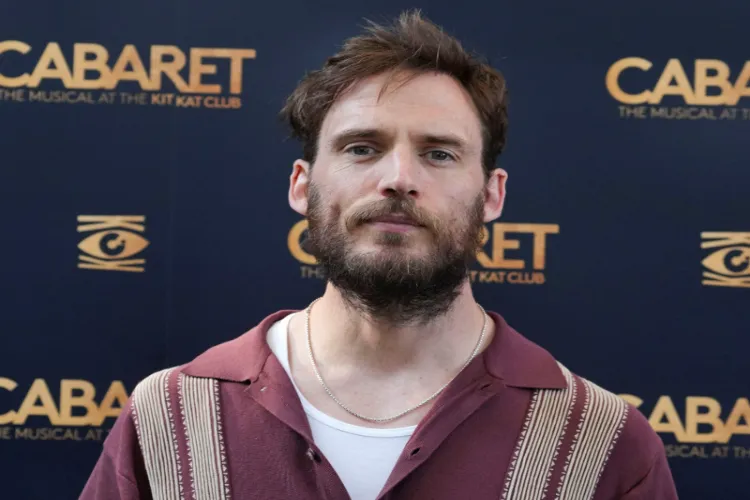
British actor Sam Claflin, best known for portraying Finnick Odair in The Hunger Games franchise, has opened up about his struggle with body dysmorphia, saying the intense physical expectations of the film industry significantly affected his mental health.
As reported by Variety, Claflin spoke candidly on Fearne Cotton’s Happy Place podcast, where he said the “Hollywood assumption” around male physiques created immense pressure early in his career.
The actor, who made his film debut in Pirates of the Caribbean: On Stranger Tides, recalled an incident from one of his initial projects where a shirtless scene was added at the last minute.
“I had a topless scene… but it wasn’t in the script and I got told a week before they were going to take my top off,” Claflin said, adding that the sudden change caused significant anxiety as it was his “first introduction to the world.”
Claflin said such experiences led to deep-seated insecurities, despite a successful career that includes films like Snow White and the Huntsman and the acclaimed series Daisy Jones & the Six. He admitted that public perception has “massively impacted” him.
In an earlier interview quoted by Variety, Claflin explained how the industry’s focus on muscularity contributed to his diagnosis.
“There’s this Hollywood assumption that it’s the men with the six packs who sell the movie. So there was a pressure that was what I needed to look like,” he said.
While clarifying that he does not blame individuals, Claflin said the nature of the industry led him to develop a form of body dysmorphia. He also noted that many men in the industry face similar challenges, though he described his own experience as “quite bad” and an “everyday struggle.”
Despite earning a Golden Globe nomination for his performance as Billy Dunne in Daisy Jones & the Six, Claflin admitted he still finds it difficult to watch his own work.
ALSO READ: Teacher Irfana Tabassum revives defunct schools in Kashmir
“I’m incredibly insecure,” he said. “I just went to a screening… and [I was like], ‘I hated it.’ It’s my face I don’t like.”

.webp "Union Home Minister Amit Shah")








_(1).webp)