Ashhar Alam/New Delhi
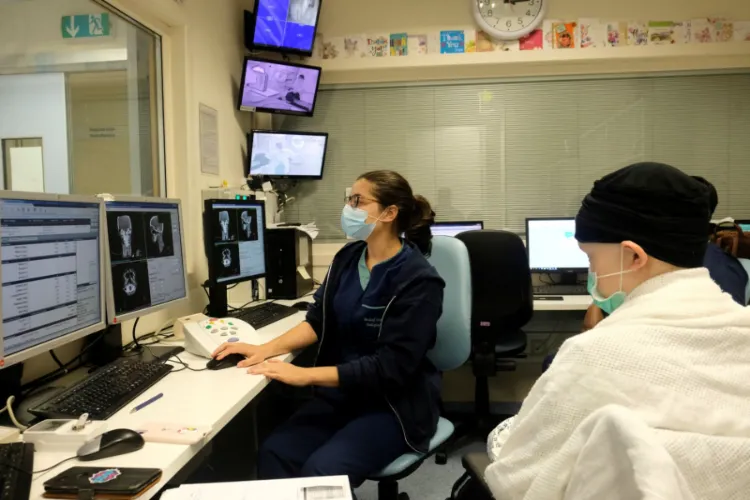
A new study has found that artificial intelligence (AI)-based ECG interpretation may outperform conventional diagnostic methods in identifying certain types of heart attacks, particularly occlusive myocardial infarction (MI), even when standard ECG changes are not present.
The findings were presented at ESC Acute CardioVascular Care 2026, the annual congress of the Association for Acute CardioVascular Care (ACVC), a branch of the European Society of Cardiology (ESC). The research highlights how AI tools could help doctors detect high-risk cardiac conditions faster and with greater accuracy.
The study focused on patients with suspected acute coronary syndrome (ACS) who did not show the typical ST-elevation pattern on ECGs, a key marker usually linked with severe heart attacks requiring immediate intervention. In such cases, diagnosis is often delayed due to less clear clinical indicators.
Researchers, led by Dr. Federico Nani of Central Hospital Bolzano, Italy, evaluated whether a smartphone-based AI ECG algorithm could improve detection of occlusive MI. The study included 1,490 patients with suspected ACS, with a mean age of 63 years, of whom 42% were women.
While traditional diagnostic pathways identified occlusive MI in 42% of cases, the AI system demonstrated significantly higher accuracy, correctly identifying the condition with 84% accuracy. It also showed 77% sensitivity, 99% specificity, and a 98% negative predictive value, with relatively low false-negative and false-positive rates.
According to researchers, the AI tool successfully ruled out occlusive MI in most patients and identified high-risk cases that might otherwise be missed or delayed under conventional evaluation methods.
READ MORE: Pioneer Nazreen Ahmed recalls days when cricket was not a women's game
Dr. Nani said the AI-based approach could complement existing clinical tools by improving early detection and enabling faster treatment decisions, though he stressed that further validation through larger studies is necessary.
The role of AI in cardiovascular care is expected to be a key focus at the upcoming ESC Congress scheduled to be held in Munich, Germany, in August 2026.



.webp "Representational Image")










_(1).webp)