New Delhi
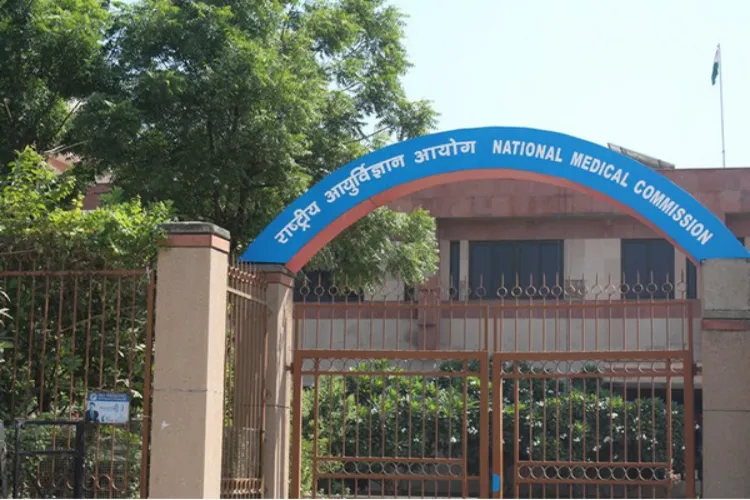
The National Medical Commission (NMC) has issued an advisory declaring the use of stem cell therapy for treating Autism Spectrum Disorder illegal, in line with directions from the Supreme Court of India.
The advisory, circulated on March 25 to medical colleges, hospitals, and registered practitioners, aims to curb unauthorised treatments being offered by certain private clinics, particularly in urban and semi-urban areas, where such therapies are falsely promoted as cures for autism and similar conditions.
As per the new guidelines, stem cell therapy is permitted only for a defined list of 32 diseases approved by health authorities. These include conditions such as Acute Myeloid Leukemia, Multiple Sclerosis, Thalassemia, Multiple Myeloma, and Aplastic Anaemia, among others.
The directive follows recommendations from the Indian Council of Medical Research, which outlined the approved medical uses of stem cell therapy. Authorities have clarified that any use of such treatment outside these specified conditions, unless conducted under approved clinical research, will be considered illegal.
According to officials, stem cell therapy for conditions not on the approved list can only be undertaken within regulated research settings. Such studies must receive necessary approvals from bodies like the Central Drugs Standard Control Organisation or the Department of Health Research, depending on the nature of the procedure.
Additionally, all clinical research involving stem cells must adhere to strict ethical guidelines, including obtaining informed consent from patients, ensuring no financial burden on participants, and providing compensation in case of adverse outcomes.
READ MORE: Pilot Hana Mohsin Khan defies social and religious stereotypes
The advisory emphasises that any deviation from these norms will attract regulatory and legal action. The move is expected to strengthen oversight and protect patients from unproven and potentially unsafe treatments being marketed under the guise of advanced medical care.
.gif)