 Aditi Bhaduri
The ongoing conflict in West Asia has disrupted global trade, leading to LPG shortages and a surge in crude oil prices. Data now indicate that the crisis could also affect India’s supply of LNG, putting at risk the production of urea, a key fertiliser in a majorly agrarian economy. Indian stocks have taken a huge hit, and India has also lost a couple of its expatriates in the Gulf to the war.
Though India has had nothing to do with the war, it has been unable to remain aloof. It found itself involved when one of the three Iranian naval frigates that had participated in its trilateral exercises was torpedoed by the Americans in international waters, while on its way back home. It fell on Sri Lanka to rescue 32 sailors while 82 drowned. India then allowed another frigate with around 100 Iranian naval officers to dock in Kochi, from where they were later repatriated to Iran.
On the other hand, there are almost 8000 Indian nationals in Iran - mostly students, but also pilgrims and workers, business people. More than 200 have been repatriated to India through Armenia and Azerbaijan.
The Gulf region is an extremely critical region for India, a part of its extended neighbourhood.
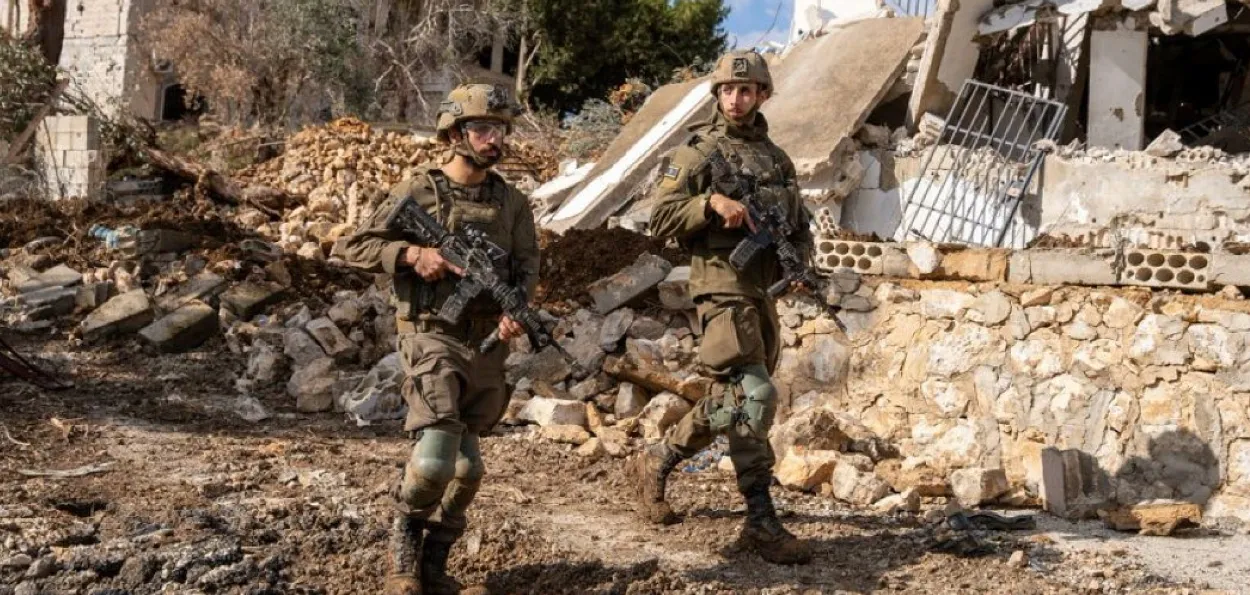 Soldiers in Iran
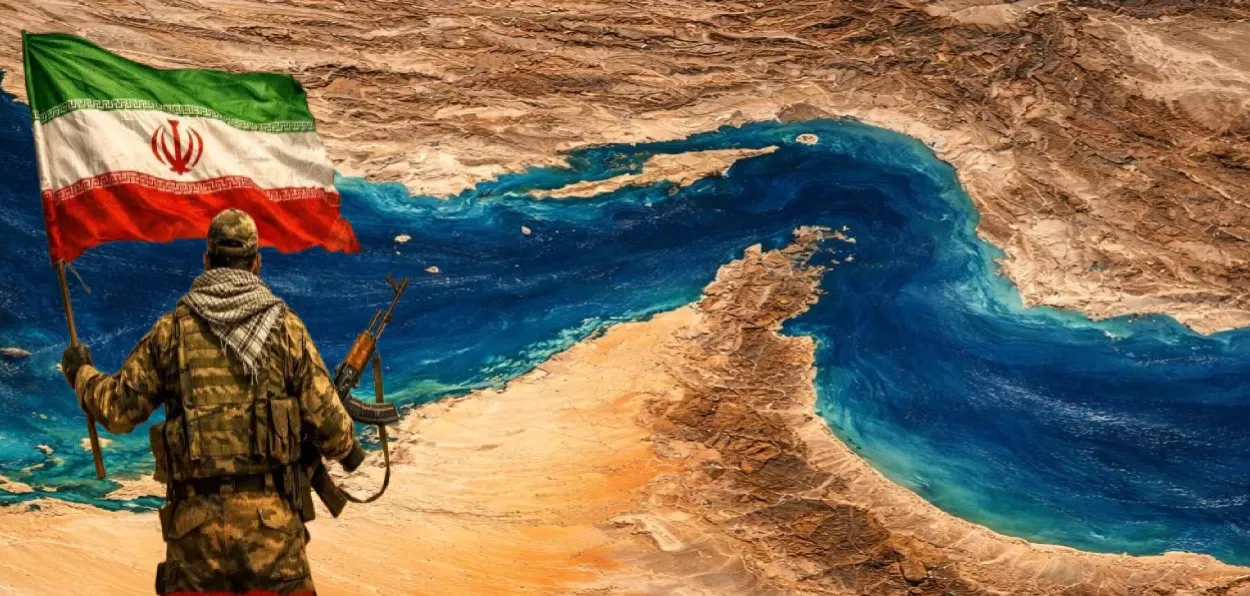
The region is critical for India's energy security. India sources most of its energy supplies from the Gulf region through the Strait of Hormuz. This has been hit by the war.
Moreover, the region is home to almost 10 million Indians who remit back almost 51 billion US dollars annually in remittances, making India the largest foreign remittance receiving country. Much of the Gulf regime n was built on the backs of Indian labour. Today, relations with the Gulf span a wide spectrum of fields - from trade to space to AI. THE Gulf Cooperation Council is India's largest trading bloc, now more significant for it given the cloud of US tariffs on it.
Intense negotiations with Iran, through direct talks between Prime Minister Narendra Modi and Iranian President Massoud Pezeshkian, as well as regular communication between Indian External Affairs Minister S. Jaishankar and his Iranian counterpart Abbas Aragchi, have resulted in safe passage through the choke point of three Indian flagged tankers, transporting LNG. India’s oil import bill faces a massive surge after crude prices more than doubled to $156.29 per barrel in March 2026. On the other hand, Indian exports to the GCC, its largest trading bloc, have also taken a big hit with the closure of the Strait of Hormuz. Many other related fields will also be impacted.
It is a given that the war has already negatively impacted the trajectory of India’s economic growth. According to the latest Moody's analytics, India is one of the worst-impacted countries and its GDP may drop by as much as 4 per cent if the conflict drags on.
India's geography makes isolation impossible; no matter how much it tries, India cannot remain immune to the fallout.
So, what can.India do? More importantly, what must India do?
The conflict, now poised to enter its fourth week, has escalated dramatically and dangerously. After Israel once again targeted Iran's nuclear facilities at Natanz, Iran reciprocated by targeting Israel's strategic southern cities of Arad and Dimona, home to the Shimon Peres Negev Nuclear Research Centre, wounding more than 100 people and causing widespread damage. In response, a furious Netanyahu has said, ‘We are determined to continue to strike our enemies on all fronts’.
Meanwhile, a senior Iranian commander warned that even “parks, recreational areas and tourist sites” could be targeted — signalling the potential for further escalation and expansion beyond traditional military targets. More alarmingly, the "N" word is now slowly making its way into discussions; the World Health Organisation (WHO) has even rung the alarm bells for a nuclear fallout.
Fire erupt in Dimona amid widespread destruction following the latest Iranian missile strikes#Dubai #uae #pakistan #Afganistan #pakvsafg #war #warbreking #iran #Israël #usa #tehran #telavivyanıyor pic.twitter.com/8280mZwt9h
— War monitor (@Warmonitor98) March 21, 2026
In such a scenario, it becomes incumbent on India to act as a mature and democratic power, a regional stakeholder, and with good ties to all sides of the conflict and do whatever is possible to seek a ceasefire. India has good ties with all sides - this is its greatest advantage.
Almost on the eve of the war, Modi visited Israel and elevated India's ties with Israel to a strategic partnership. The personal bonhomie and chemistry between Modi and his Israeli counterpart, Netanyahu, is well known. India must leverage these ties to seek de-escalation. It also has friendly and cordial ties with Iran, a neighbour. External Affairs Minister Dr S Jaishankar has held several rounds of talks with his Iranian counterpart, Abbas Aragchi. Modi himself has held two rounds of talks with Pezeshkian. India has sheltered Iranian navy officers, so that they do not meet the same fate as the torpedoed Iris Dena; India has also sent humanitarian aid to Iran. At the non-official level, people across the country have sent personal donations and aid to Iran.
At the same time, India’s ties to the Gulf states remain deep, multi-faceted and trusted. India co-sponsored a UN Security Council resolution condemning attacks on the GCC countries and Jordan. President Trump is also widely believed to be seeking an off-ramp, even though he has dispatched more troops to the Middle East. The war is getting increasingly unpopular in the US, and many believe President Trump has lost control over it.
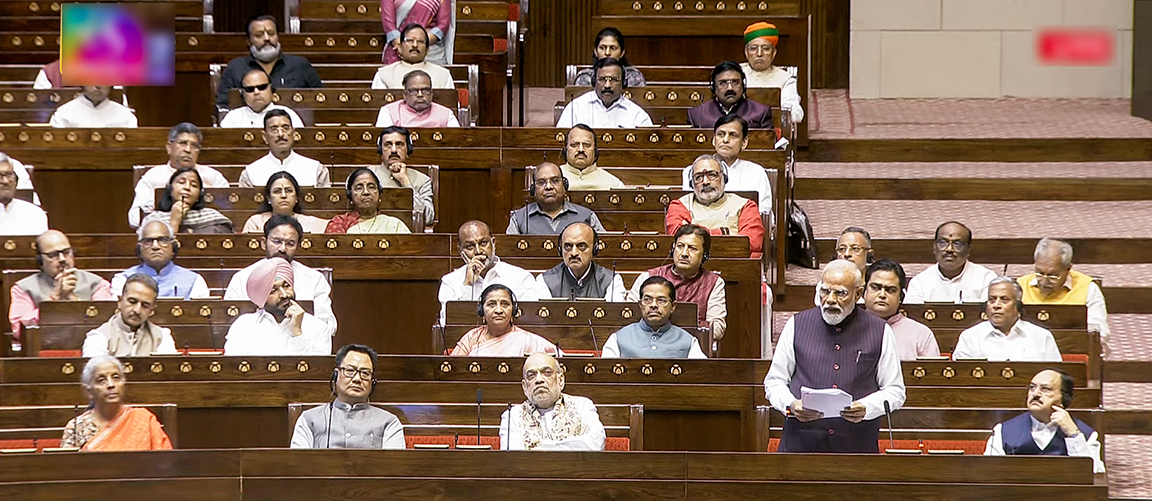 Prime Minister Narendra Modi speaking on West Asia crisis in Rajya Sabha
The war has also started getting unpopular in Israel, with many Israelis staging anti-war protests even as almost 5000 people there are believed to be injured - a high number for a country of its size. There have also been casualties. India should spell out loud and clear to all sides what Prime Minister Modi had not so long ago told Russian President Vladimir Putin: this is not the time of war.
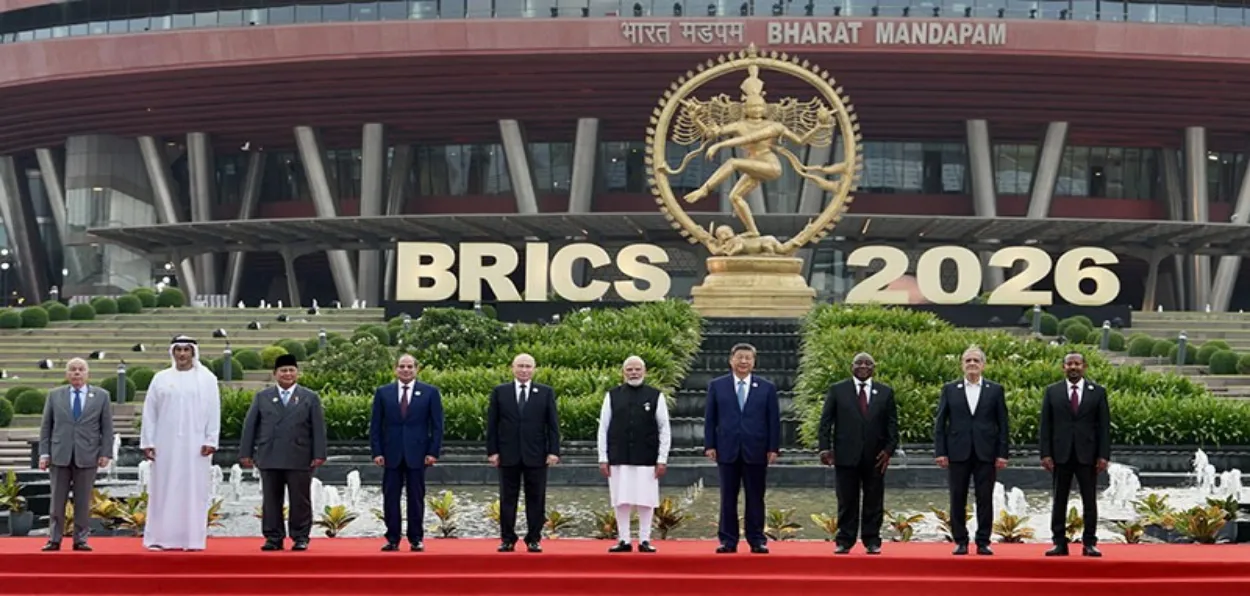
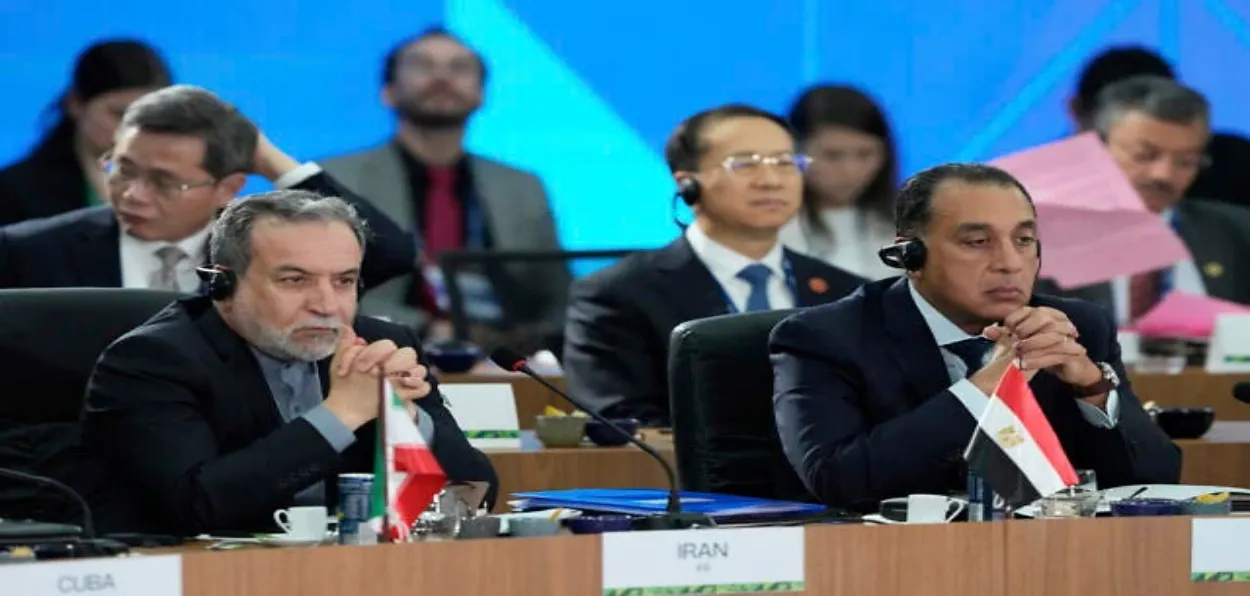
This year, India is holding the chairmanship of the BRICS+ bloc. Both Iran and the UAE are its members. Both are now on opposite sides of the divide as Iran has targeted US bases and energy infrastructure on the territory of the UAE.
In fact, during his call with Modi, Pezeshkian referred to India's BRICS presidency and called for the group to play an independent role in halting aggressions against Iran and in safeguarding regional and international peace and stability. The President reiterated Tehran's readiness for international verification and monitoring of its peaceful nuclear activities, the Iranian handout of the conversation said.
India must use this opportunity and these good relations and friendships to seek de-escalation in whatever manner possible. India must work together with China and Russia, all BRICS members and against the unpopular war to hammer out an immediate cessation of hostilities and get all parties to the negotiating table.
ALSO READ: We need to prepare like Corona: PM Modi on Gulf conflict
No effort is futile or senseless or too small in the pursuit of peace. Within three weeks, India has already, as has the global community, been adversely affected. India is part of the region, and the longer the war drags on, the more dangerous it will get. In case of any eventuality, India will be as impacted as the rest of the region. There are no military solutions to the problems being sought to be resolved. As a friend, India must take the lead to explain this to its friends involved in this conflict.

.webp "Union Home Minister Amit Shah")







_(1).webp)