




Vidushi Gaur/Lucknow
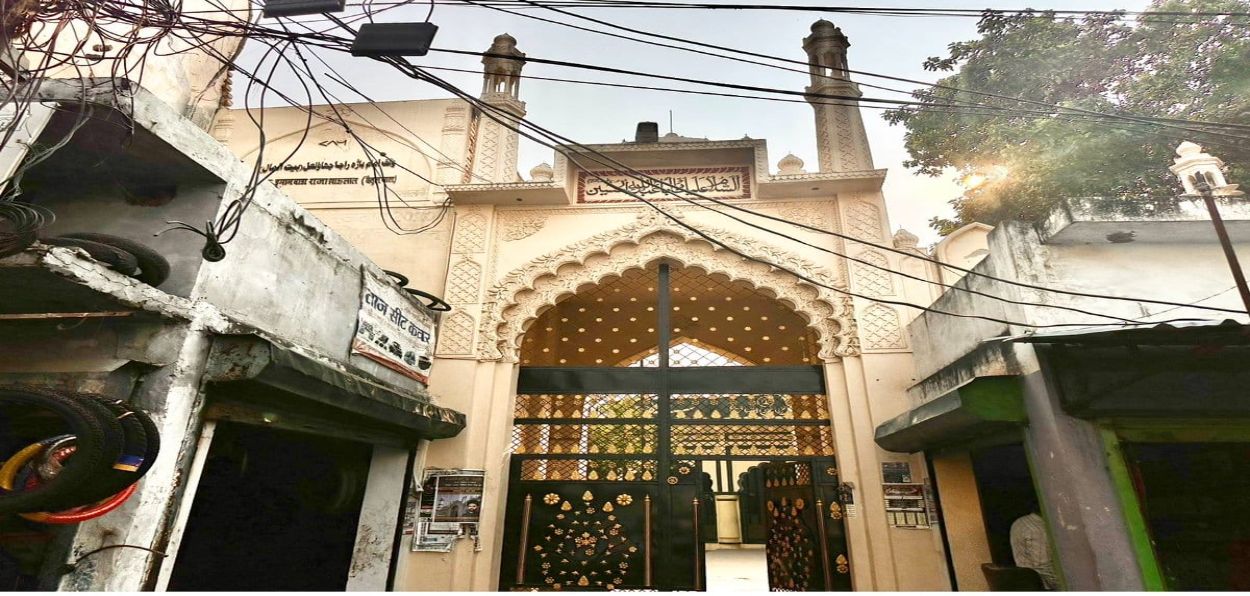
In the winding lanes of Thakurganj in Lucknow, where time seems to slow down, and history still breathes through old walls, stands a quiet yet powerful symbol of shared faith and collective memory, Imambara Raja Jhau Lal (Bait-ul-Maal).
Locally known as Bait-ul-Maal, this historic imambara is not just a structure of brick and mortar; it is a living testimony to the syncretic culture of Lucknow, where Hindu and Muslim traditions have long flowed together like two streams forming one river.
During the sacred month of Muharram, when the world recalls the tragedy of Karbala and the eternal stand for justice and truth, the imambara becomes a focal point of devotion, reflection, and unity. The air around Thakurganj changes. The narrow streets echo with elegies, the sound of matam, and the recitation of marsiyas, while also carrying something deeper than ritual—an unspoken message of compassion that transcends religious boundaries.
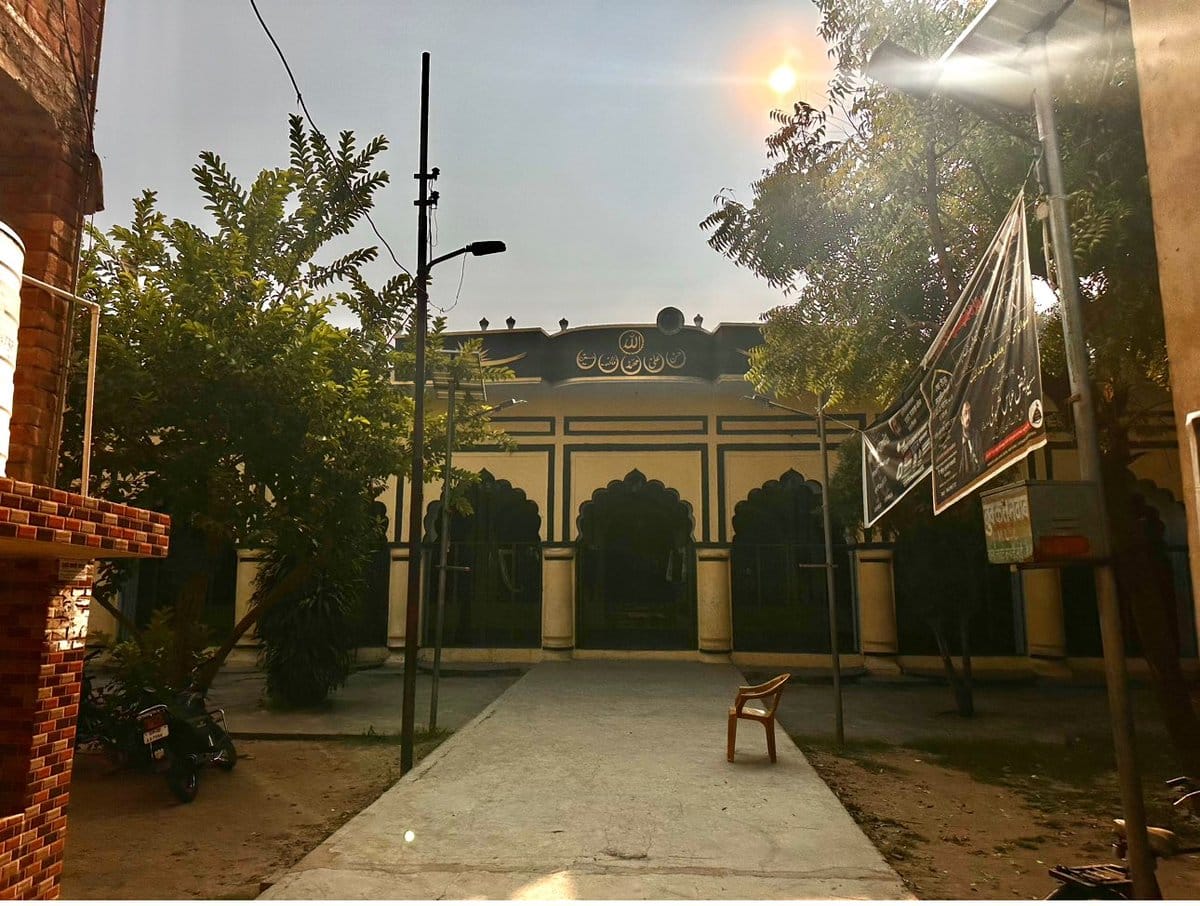
The history of Raja Jhau Lal Imambara is rooted in the idea of generosity and shared space. Raja Jhau Lal, remembered as a noble and benevolent figure, is said to have dedicated this imambara as a place where people of all communities could gather, pray, and remember the martyrs of Karbala. Over time, it came to be known as Bait-ul-Maal, literally meaning “house of public wealth,” symbolizing a space meant for collective welfare and spiritual offering.
What makes this imambara truly remarkable is not only its architecture or its religious significance, but the spirit of inclusivity that surrounds it. In Lucknow, a city known for its Ganga-Jamuni tehzeeb, the imambara stands as a reminder that faith has never been a wall here—it has always been a bridge.
Every year during Muharram, Hindus and Muslims come together in Thakurganj to participate in the observances. Local Hindu families can be seen contributing to the arrangements of sabils (water stalls), distributing sherbet, and helping set up tents for azaadari gatherings. For them, it is not about religious distinction but about honoring a shared moral legacy—the stand of Imam Hussain for justice, dignity, and truth.
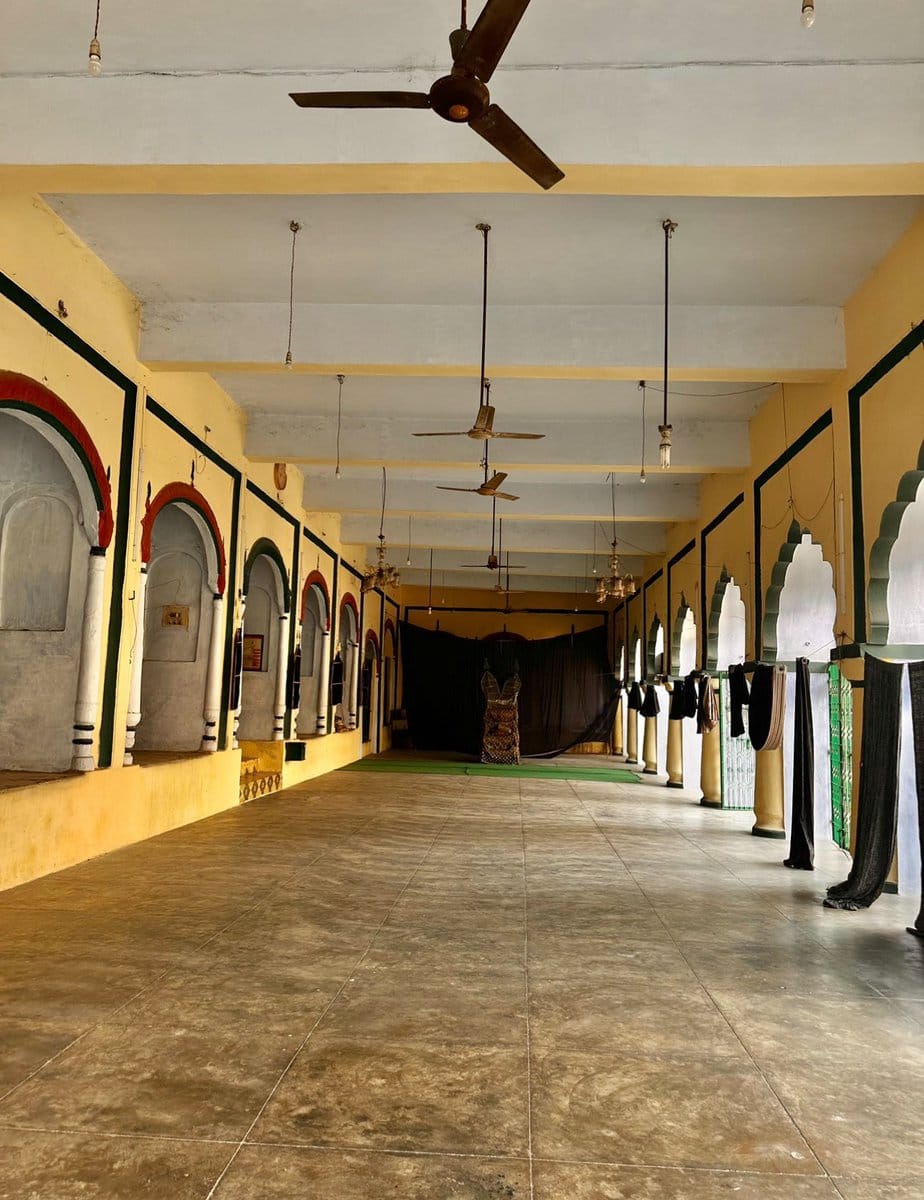
Elders in the locality often recall, “Even in times of social or political tension, the imambara has always remained untouched by division.” The rituals of Muharram here have always drawn participation from across communities. In fact, many Hindu families have historically maintained close associations with the imambara, treating its upkeep and ceremonies as a shared responsibility rather than a sectarian duty.
ALSO READ: Farkhanda Khan Fida's artistic journey is inspired by M F Husain
In the spirit of Muharram, when hearts turn toward reflection and remembrance, this humble imambara in Lucknow continues to whisper an enduring truth: that beyond all names and identities, what binds us together is far greater than what divides us.

.jpg "Gujarat’s women entrepreneurs bring their craftsmanship to life during Navratri")





_(2).webp)
.webp)
