.webp "Fauzia Dastangoi")
Malick Asghar Hashmi
The aroma of kebabs and the melody of the Urdu language wafts through the narrow lanes of the walled city of Delhi, often called the Old Delhi. It was in these lanes that once upon a time storytellers held audiences spellbound with their captivating narration. As time passed, those gatherings faded into memory and storytelling as a performing art and entertainment vanished.
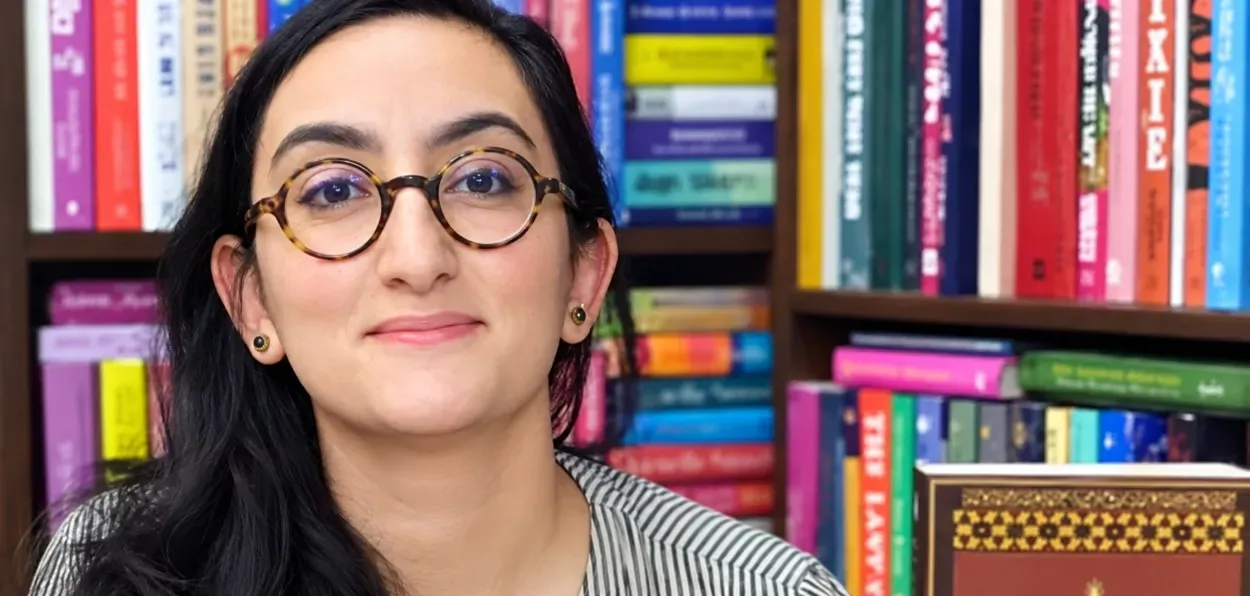
It took the vision and determination of Fauzia Dastango to revive that forgotten tradition. Today, she is celebrated not only as India's first female dastango but also as the woman who broke into what had long been an exclusively male domain.
Fauzia was born in the Pahari Bhojala area of Old Delhi. Perhaps it was no coincidence that this was the same neighbourhood where Mir Baqar Ali, the last great master of the dastangoi tradition, once lived.
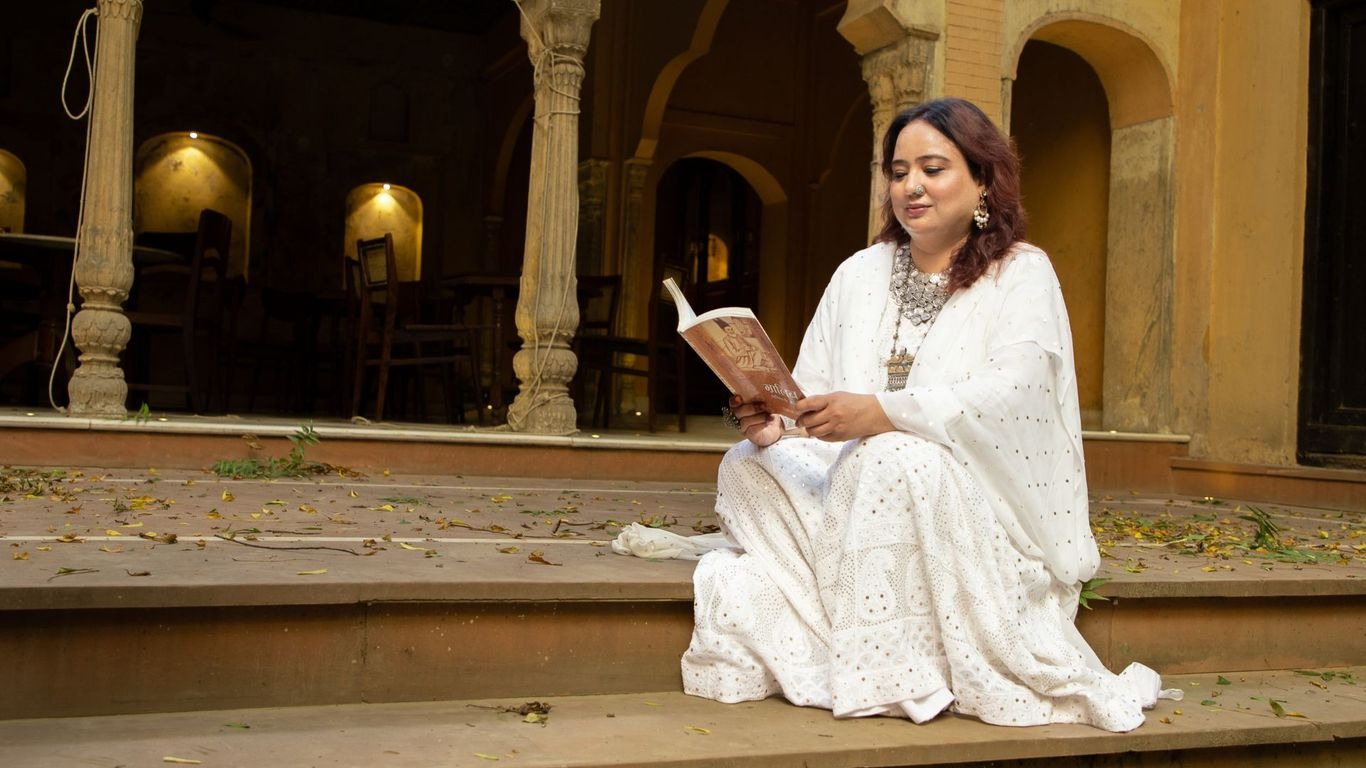 Fauzia Dastango
When Fauzia looks at the sunlit streets of Old Delhi, she feels her connection to this art was divinely ordained. She believes her roots lie in the very soil where dastangoi once flourished, and perhaps that is why the responsibility of reviving it fell upon her.
Her childhood unfolded in the shadow of stories. Her father was a motorcycle mechanic, but whatever books he brought home, little Fauzia devoured with enthusiasm.
Her mother often narrated Urdu classics, and Fauzia would listen for hours, completely engrossed. Sunday visits with her mother to the book market to buy magazines such as Nandan, Champak, and Khilona were among her happiest memories. At school, she would retell those stories to her classmates, who admired her style. They often remarked that whenever Fauzia narrated a story, its characters came alive before their eyes.
Fauzia studied to become a teacher and later worked as a lecturer at SCERT. Yet her love for storytelling never diminished.
In 2006, a single evening changed the course of her life. She attended a dastangoi performance at Dyal Singh College, where Danish Husain and Mahmood Farooqui were performing. The experience awakened the artist within her. She realised that this was what she was meant to do.
.jpeg) Fauzia Dastango at Jama Masjid, Delhi
Fauzia Dastango at Jama Masjid, Delhi
She resigned from her secure government job—a bold and risky decision driven by passion. Accepting Danish Husain and Mahmood Farooqui as her mentors, she immersed herself in mastering the intricate art of dastangoi.
Dastangoi is far more than storytelling. It is a sophisticated blend of language, voice modulation, expression, body language, and emotion. A performer remains seated for hours, creating entire worlds using nothing more than words, voice, and gestures.
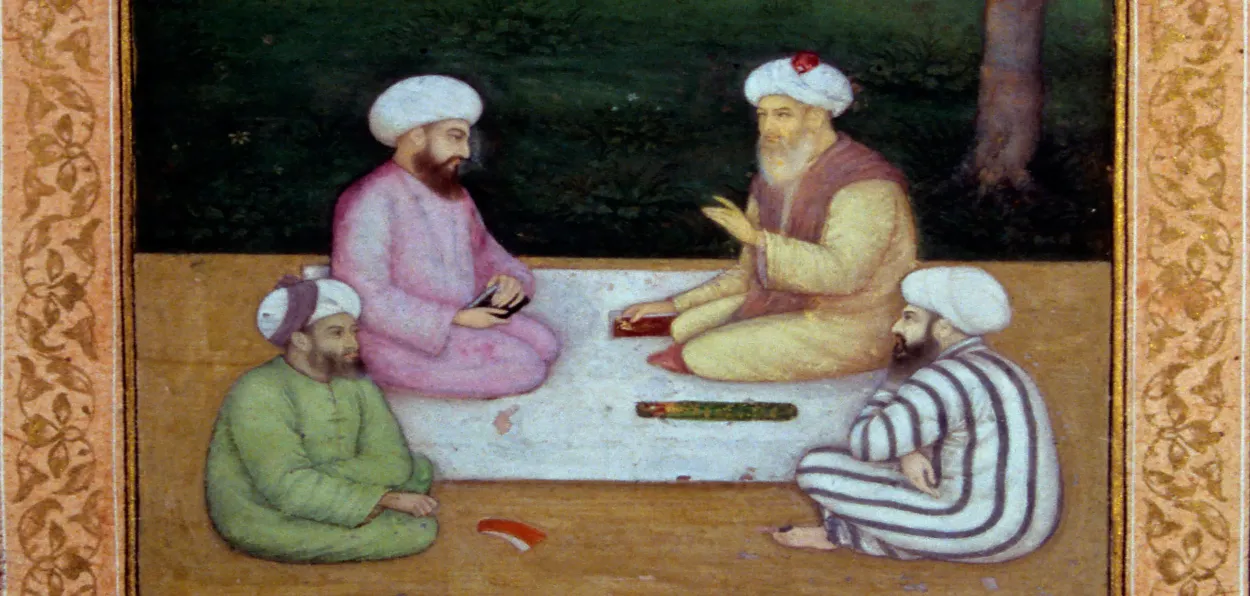
For a woman, entering this field was far from easy. Dastangoi, a 16th-century art form that flourished in the Mughal courts, had always been dominated by men. In the eyes of many, a woman sitting on stage, speaking with authority, and expressing herself through dramatic gestures was unusual. Fauzia faced criticism in the beginning. Audiences were reluctant to attend her performances, and many tried to discourage her.
But she refused to give up.
Fauzia believes women are naturally gifted storytellers. For generations, grandmothers have gathered children in courtyards and passed down stories through oral tradition. She simply brought that timeless domestic art onto the public stage. In doing so, she carved out a place for herself in a male bastion and proved that art has no gender.
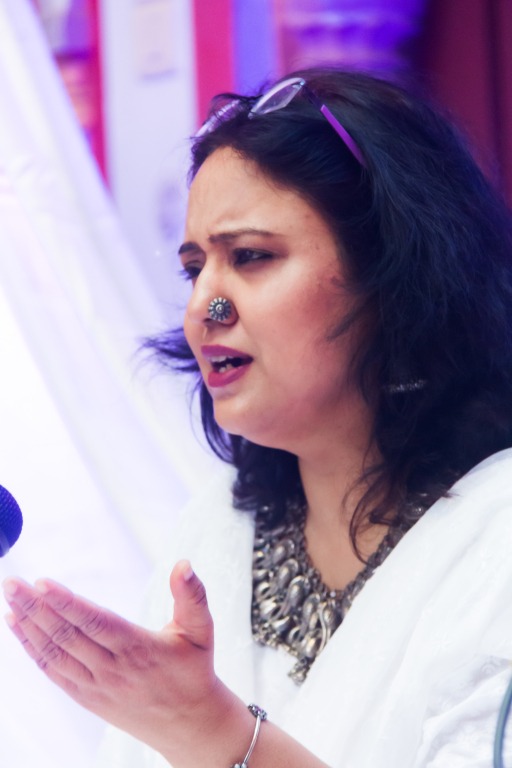 Fauzia Dastango
She spends months preparing for a single performance. Her stories are not confined to kings and queens; they celebrate ordinary people, their quiet joys, and their everyday struggles.
The spirit of Old Delhi breathes through Fauzia's performances. Her language carries the flavour of the "language of the workshops"—the dialect once spoken by the craftsmen, butchers, and ordinary residents of Shahjahanabad. It has a rhythm and music all its own. When she narrates stories such as Ghummi Kebab, listeners can almost hear the bustle of the streets and the lively banter of the city's kebab shops.
For Fauzia, Old Delhi is not merely a place but a living civilisation. Even today, she finds solace in the narrow lanes of Roshanpura and the courtyards of its old houses.
She believes that people have forgotten how to truly listen to one another. Lost in social media and digital distractions, they have drifted away from meaningful human connection. In such times, she says, dastangoi brings people together once again, reviving the empathy through which we understand one another's joys and sorrows.
Today, Fauzia Dastango is a widely recognised name. She has performed in more than 400 shows across India and abroad. While preserving classical epics, she has also expanded the scope of dastangoi by weaving contemporary themes such as mental health, communal harmony, and feminism into her performances.
In 2018, the Ministry of Women and Child Development honoured her as "India's first female dastango."
She was also included in the prestigious First Ladies initiative, which recognises women who have achieved remarkable milestones in their respective fields.
Over the years, she has received several honours, including the Tagore Veteran Artist Award and the Karmaveer Chakra. Yet, for Fauzia, the greatest reward remains the sparkle in her audience's eyes and the applause that follows every performance.
Today, she teaches dastangoi to younger generations at institutions such as Jamia Millia Islamia and Ashoka University, determined to ensure that this priceless heritage never disappears.
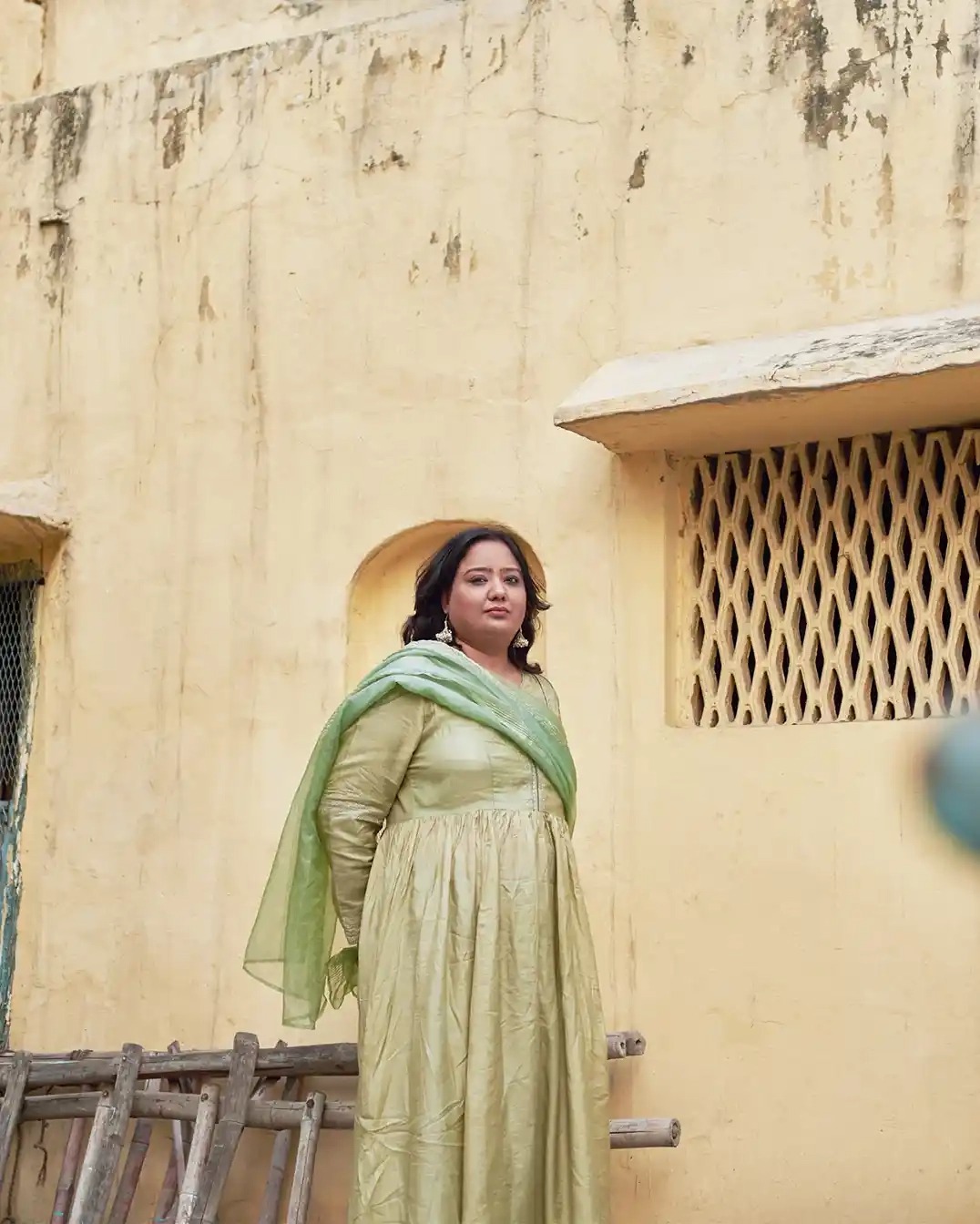
Fauzia has chosen to dedicate her life entirely to this art. She never married, devoting herself completely to preserving and promoting dastangoi.
She believes that culture today has been reduced to visiting monuments or admiring expensive paintings. Real culture, she says, lives in people's dialects, traditions, and everyday ways of life. If we lose our language and our stories, we lose our identity.
She often sits on the steps of Jama Masjid, where, for her, this remarkable journey began. The crowds and the noise do not disturb her. Even there, she hears stories waiting to be told. She dreams of a day when stories once again echo through every home and every courtyard.
ALSO READ: Farkhanda Khan Fida's artistic journey is inspired by M F Husain
Fauzia's dastangoi is more than a performance—it is a determined effort to preserve a fading civilisation.