




.webp "Shabana Dagar")
Farhan Israili
Walk into the Dagar Archive at Jaipur's Ravindra Manch, and it feels as though time has paused. Antique tanpuras, fading photographs, handwritten manuscripts, ceremonial turbans, royal citations, medals and fragile documents line its galleries, each preserving a chapter of India's classical music tradition. Far more than museum exhibits, these objects narrate the remarkable journey of the Dagar gharana, one of the world's oldest surviving musical lineages.
Behind this extraordinary effort to preserve nearly five centuries of musical history are Shabana Dagar and her brother Imran Dagar, representatives of the 20th generation of the renowned Dagar family. While earlier generations dedicated themselves to performing Dhrupad, the siblings have chosen a different mission—ensuring that the legacy itself survives.
Speaking to Awaz–The Voice, Shabana Dagar explains that the Dagar gharana is perhaps the only musical lineage in Hindustani classical music to have preserved a single tradition—Dhrupad—continuously for twenty generations.
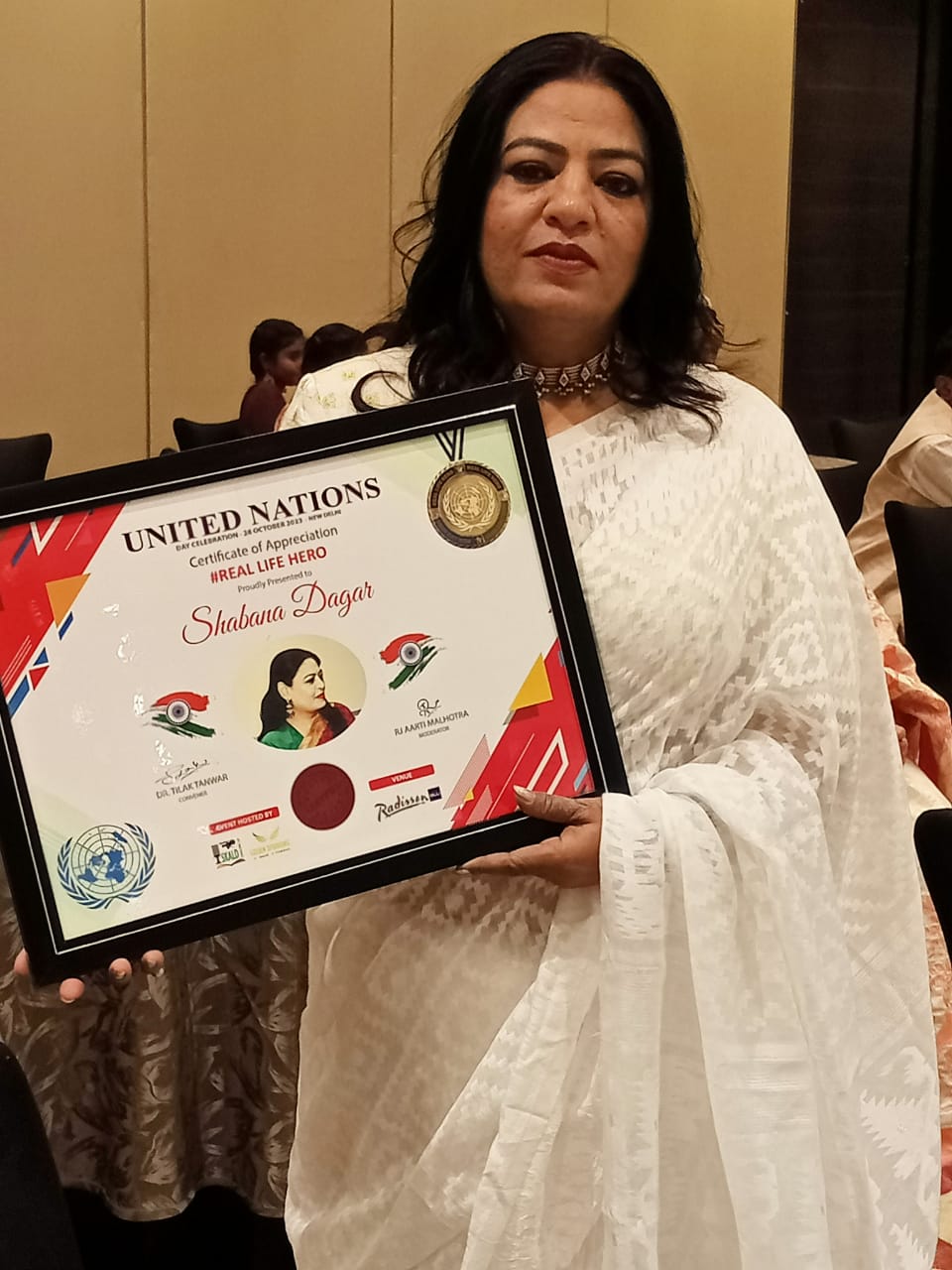 Shabana Dagar with one of her awards
Widely regarded as the oldest surviving form of Hindustani classical vocal music, Dhrupad traces its roots to the Samaveda. Originally performed in temples as an act of spiritual devotion and meditation, it later found patronage in royal courts across India.
According to Shabana, Dhrupad is not merely a musical style but a discipline that cultivates inner calm and mental focus. Long before meditation became a global practice, Dhrupad embodied many of the same principles through sound and sustained musical contemplation.
The history of the Dagar family stretches back several hundred years.
According to the family's genealogy, Baba Gopal Das was the father of Baba Behram Khan, one of the earliest and most revered figures of the Dagar tradition. Baba Behram Khan served in the court of the last Mughal emperor, Bahadur Shah Zafar. Following the emperor's exile to Rangoon after 1857, Maharaja Sawai Ram Singh of Jaipur invited the musician to his court, where he continued teaching and performing for many years.
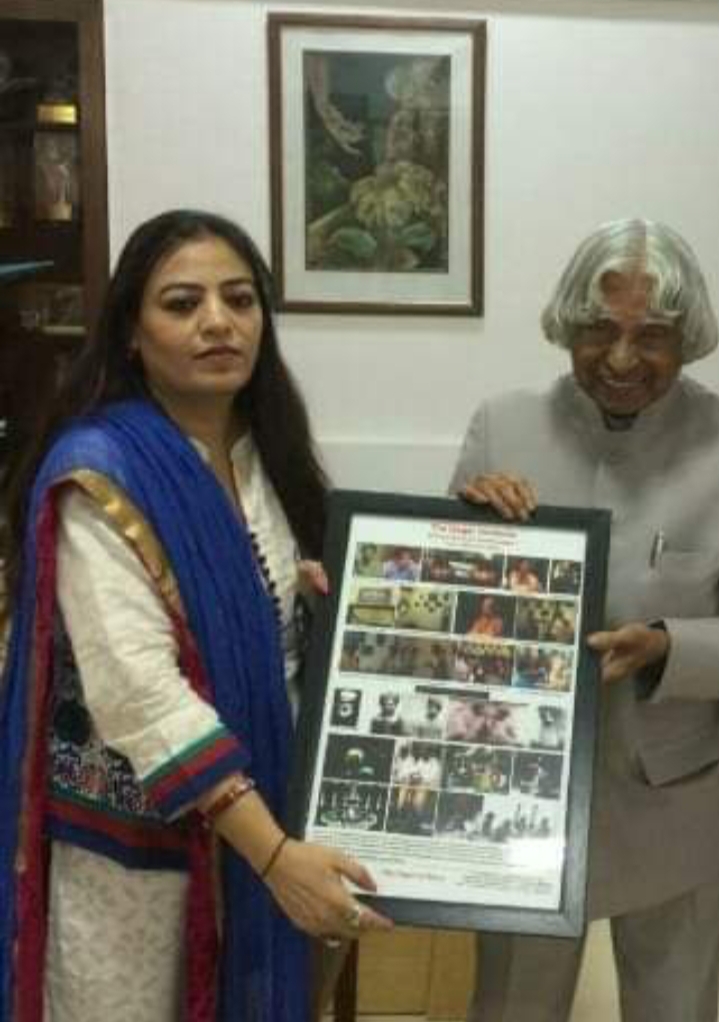
It is believed that Baba Behram Khan lived to nearly 125 years of age.
Renowned not only for his mastery of music but also for his scholarship in philosophy and classical texts, he mentored musicians across several traditions. His successors—including Allabande Khan, Zakiruddin Khan, and later generations—continued nurturing the Dhrupad tradition.
Even today, Jaipur bears reminders of his legacy. A road near Ramganj Chowpar is named Baba Behram Khan Dagar Marg, while the family's historic residence, Baba Behram Khan Dagar House, still stands in the area.
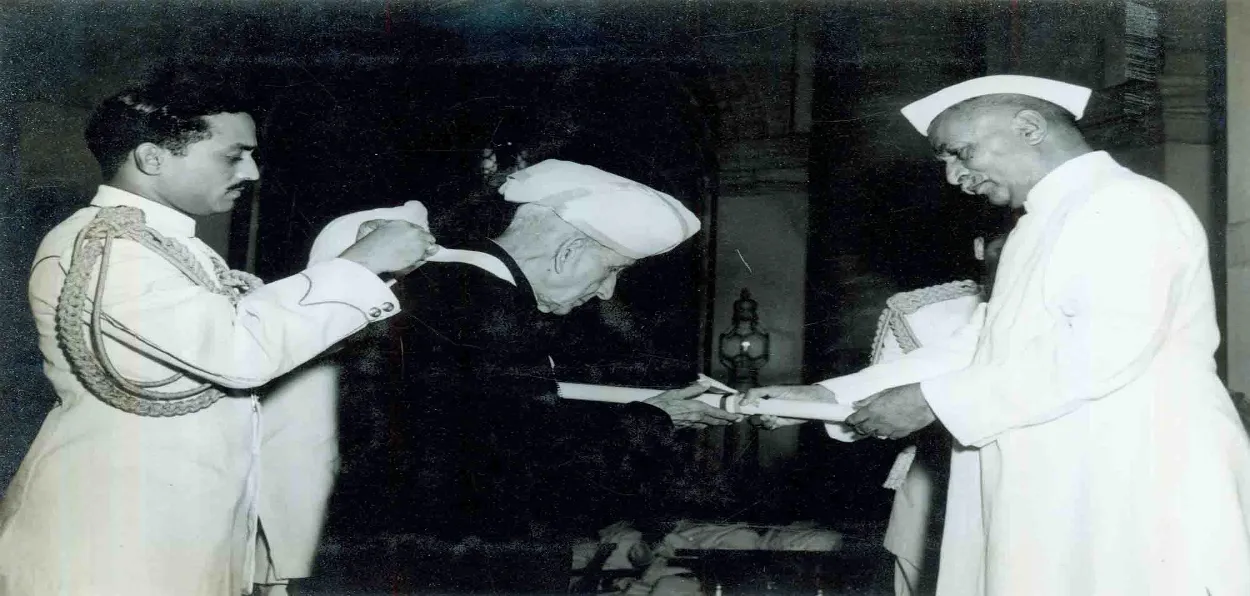
His portrait is displayed at All India Radio Jaipur, and in 2019 a sculpture of the maestro created by artist Gagan Vihari was formally presented to the broadcaster during the Gunijan Sabha in Delhi.
Shabana Dagar is the granddaughter of Ustad Allabande Imamuddin Khan Dagar, who served as a court musician to Maharana Bhupal Singh of Udaipur for nearly forty years.
The Dagar family has produced some of the most distinguished names in Indian classical music, including Ustad Rahimuddin Dagar, Ustad Imamuddin Khan Dagar, Ustad Fahimuddin Dagar, Ustad Aminuddin Dagar, Ustad Wasifuddin Dagar, Ustad Bahauddin Dagar, Nafeesuddin Dagar, and Aneesuddin Dagar, among many others.
The family's contribution extends beyond vocal music.
The legendary Ustad Bande Ali Khan is remembered as one of India's greatest Rudra Veena masters, while Ustad Bahauddin Dagar continues to uphold that instrumental tradition today. A recipient of the Sangeet Natak Akademi Award in 2012, he remains one of the country's foremost Rudra Veena exponents.
The gharana has also trained international musicians such as the Gundecha Brothers, Ritwik Sanyal, and Uday Bhawalkar, all of whom have played an important role in taking Dhrupad to audiences across the world.
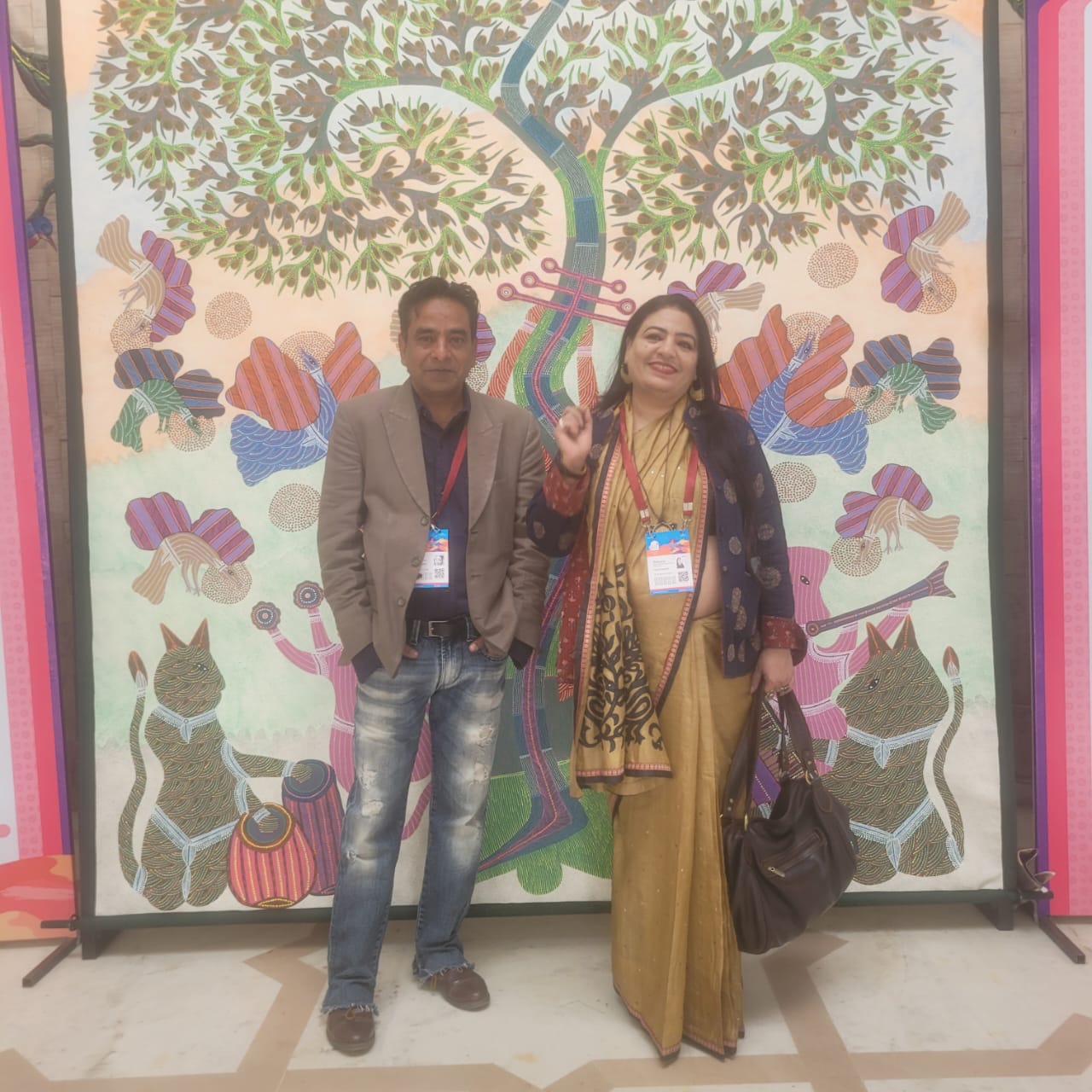
Traditionally, women in the Dagar family did not perform publicly. Influenced by the customs of their time, Dhrupad was largely regarded as a male domain, and women were rarely permitted to appear on stage.
Although Shabana herself never received formal training in Dhrupad performance, she realised that preserving centuries of history was becoming just as important as performing it. Encouraged by her father, she chose to dedicate herself to conservation.
In doing so, she became the first woman in the Dagar family's history to take responsibility for documenting, preserving and promoting its musical heritage rather than performing it.
.jpeg)
Her early career had followed an entirely different direction. After graduating, she studied fashion design and worked in that field, while her brother Imran pursued cricket.
Eventually, both siblings recognised that invaluable family archives were gradually being dispersed. Determined to protect what previous generations had painstakingly built, they redirected their lives towards cultural preservation.
The roots of today's archive go back to 1978, when Shabana's father, Ustad Aleemuddin Dagar, established the Ustad Imamuddin Khan Dagar Committee, organising major cultural programmes in Jaipur with support from the royal family and prominent cultural figures.
Building upon that foundation, Shabana and Imran established the Ustad Imamuddin Khan Dagar Indian Music, Art and Culture Society in 2003.
They wanted to create an institution capable of preserving any endangered artistic tradition deserving protection. That vision materialised in November 2009 with the establishment of the Dagar Archive at Ravindra Manch.
.jpeg)
Spread across two galleries, the archive houses an extraordinary collection of musical instruments, personal belongings, manuscripts, rare photographs, prayer mats, walking sticks, honours, books and historical documents associated with generations of Dagar musicians.
Visitors can trace the family's complete genealogy while exploring artefacts linked to legendary figures including Ustad Allabande Khan Dagar, Ustad Bande Ali Khan, Ustad Ziauddin Khan Dagar, Ustad Zakiruddin Khan Dagar, Ustad Nasiruddin Khan Dagar, and Ustad Imamuddin Khan Dagar.
Among the archive's greatest treasures are several 200-year-old tanpuras, played by successive generations of Dagar musicians during their lifelong musical practice.
These instruments are not merely antiques; they embody centuries of musical discipline and artistic devotion.
Every month, nearly 150 to 200 visitors—including students, researchers, musicians and international scholars—visit the archive. To encourage wider public engagement, entry remains completely free. The Dagar Archive functions not only as a museum but also as an important research centre.
.jpeg)
Its collections include rare audio recordings, manuscripts and historical documents that offer valuable insight into the evolution of Dhrupad.
Among its rarest possessions is an audio recording documenting the traditional guru-shishya method of musical instruction—an invaluable resource given that Dhrupad has historically been transmitted orally rather than through written notation.
The archive also houses a specialised music library and has already supported multiple doctoral research projects.
The Dagar family's association with the Rudra Veena is equally significant. Shabana explains that Ustad Moinuddin Dagar introduced several technical refinements to the instrument's structure, leading many musicians to refer to this modified version as the Dagar Veena.
Today, Rudra Veena has become an increasingly rare instrument.
Built primarily by craftsmen in Kolkata and customised according to each musician's physique, a single instrument may take six months to a year to complete and can cost several lakh rupees.
Shabana believes traditions such as Dhrupad and Rudra Veena cannot truly be learned through books alone.
They survive through the living bond between teacher and disciple.
Institutions such as Ustad Bahauddin Dagar's Gurukul in Panvel and the Dhrupad Kendra in Bhopal continue that tradition, while the Dagar Archive regularly organises workshops and educational programmes to encourage new learners.
.jpeg)
Another major initiative of the society is the Gunijan Sabha, coordinated by Imran Dagar. Since its inception, more than eighty sessions have been organised in Delhi, bringing together leading personalities from music, dance, theatre and visual arts, including Kathak maestro Pandit Birju Maharaj.
The society has also organised Dhrupad festivals, Rudra Veena festivals, Malhar festivals and innovative programmes combining music with Ragamala miniature paintings.
Its objective is not simply to stage performances but to create meaningful dialogue between artists, scholars and audiences.
Gunijan Sabha sessions are frequently held at schools, colleges and universities, encouraging young people to engage directly with India's classical traditions.
.jpeg)
For nearly eighteen years, the morning sessions of the Jaipur Literature Festival have also been curated in collaboration with Gunijan Sabha.
The organisation has partnered with institutions such as the Ministry of Culture, Sangeet Natak Akademi, West Zone Cultural Centre, Jawahar Kala Kendra, Ravindra Manch, Rajasthan International Centre, India Habitat Centre and India International Centre to organise cultural programmes across the country.
Shabana believes that heritage can survive only if younger generations develop a meaningful connection with it.
With that goal in mind, the organisation has curated large exhibitions showcasing more than 150 traditional Indian musical instruments, each accompanied by detailed information to educate visitors about their history and significance.
Reflecting on her journey, she says she has not created a new tradition. She has simply tried to protect one that her ancestors preserved for centuries.
At a time when many classical art forms face uncertain futures, the work of Shabana and Imran Dagar extends beyond safeguarding a family's history. Their efforts preserve an invaluable chapter of India's musical, artistic and cultural heritage.
ALSO READ: Assam relief effort shows the unity of Indians in crisis
Inside the quiet galleries of the Dagar Archive, history is not frozen in glass cases—it continues to resonate through every manuscript, every instrument and every memory, ensuring that the timeless sound of Dhrupad will continue to inspire generations to come.

.webp "Union Home Minister Amit Shah")








.webp)