Rampur (Uttar Pradesh)
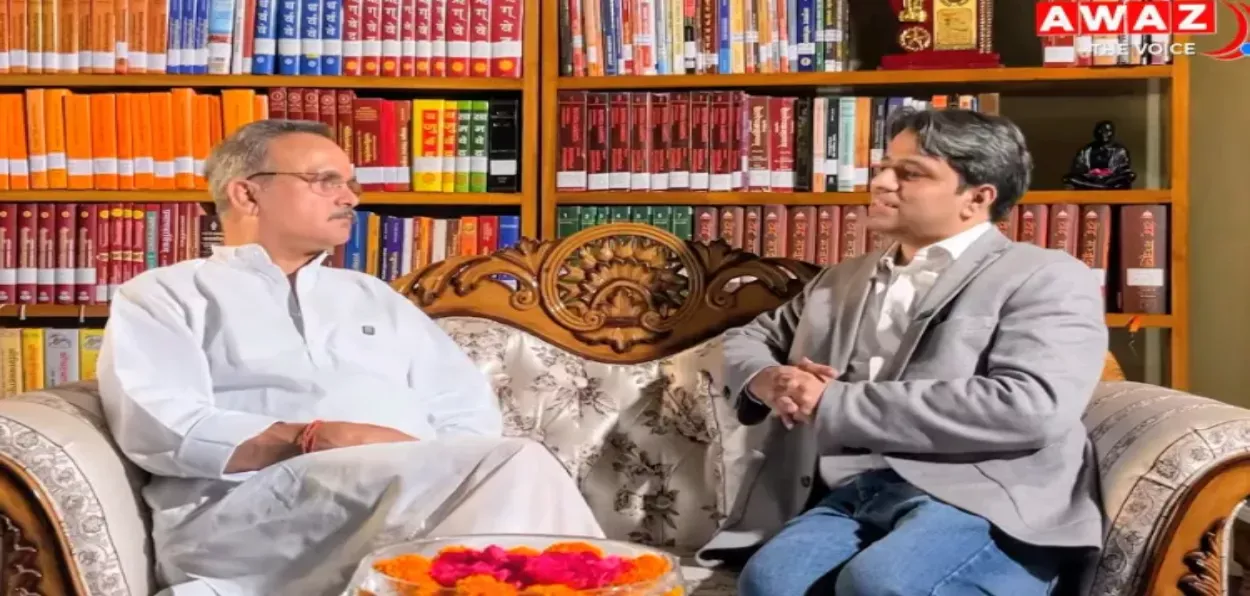
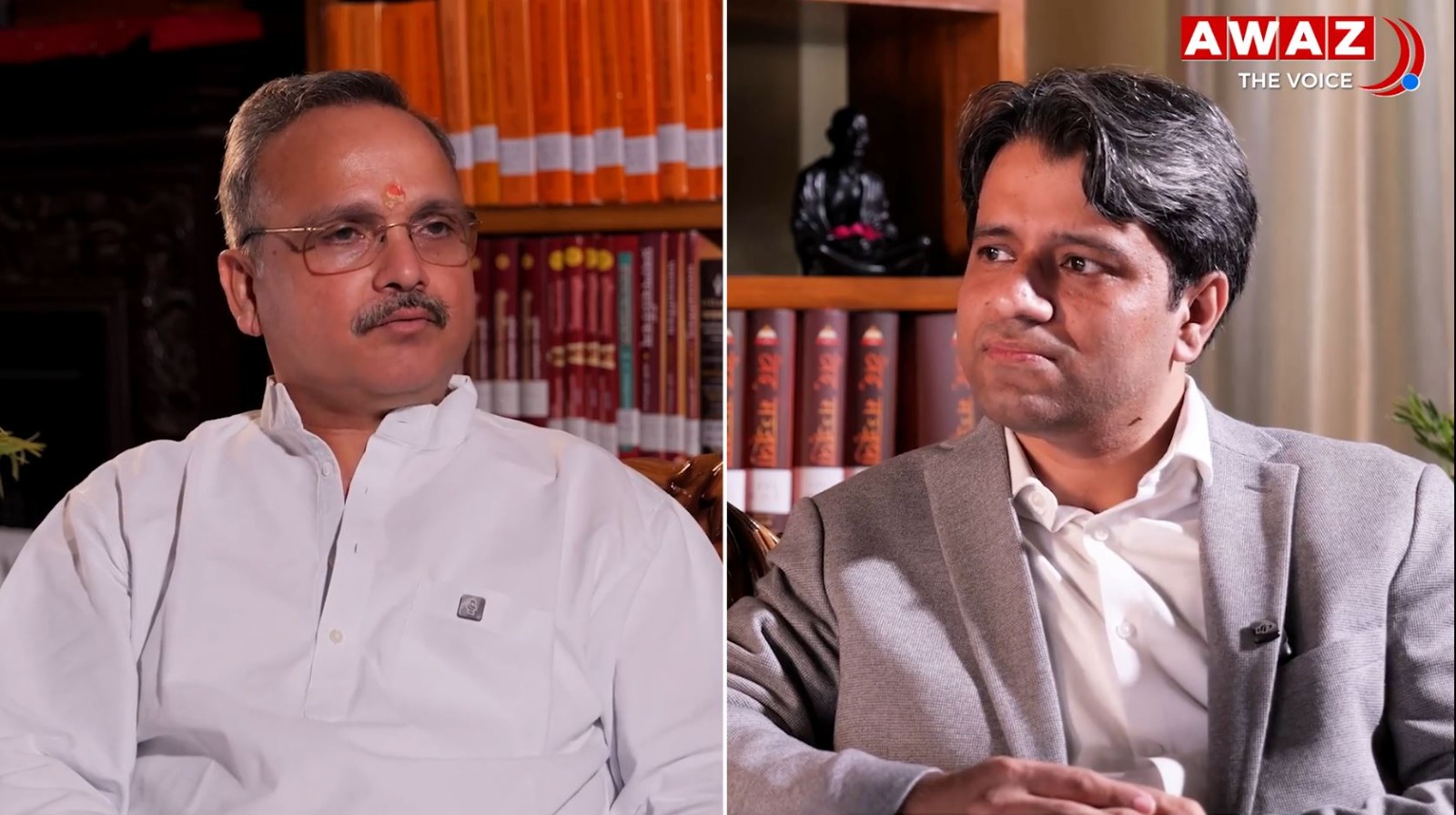
Dr Pushkar Mishra, Director of Rampur Raza Library, one of the most important repositories of the Indo-Islamic heritage, said that the library is an epitome of multicultural and multilingual treasures. In a special interview with Saquib Salim of Awaz-the Voice, he said the Nawabs of Rampur have been inclusive and open-minded for generations. We are just trying to convey this message to the world on a wider scale.
Interview of the Week - II
Excerpts from the interview (part II):
There is a common perception that Nawabs were only busy with luxury, dancing, music and a royal life. But when we see in the library, the perception looks for which they even dedicated their palaces, this perception seems to change. What would you say about this?
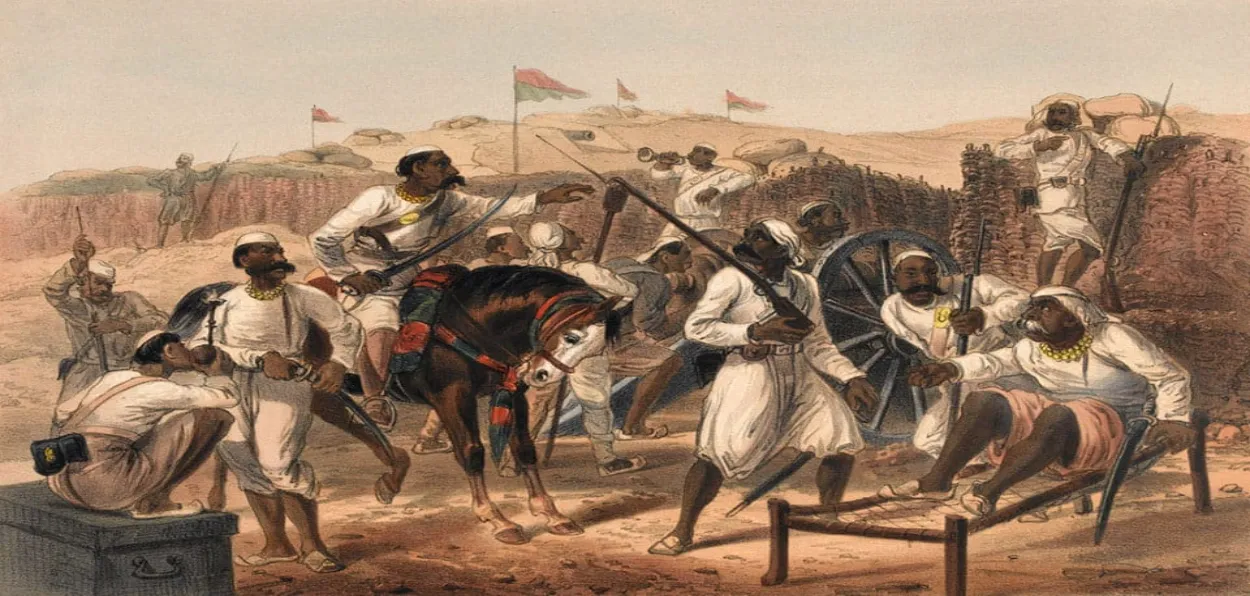
The Nawabs were indeed patrons of music and the fine arts. For example, the famous artist Jaddanbai used to come here and perform for the Nawabs. The Rang Mahal was used for such events. But this was not the only aspect of the Nawabs' personality. After the War of Independence of 1857, when the literary centres of Delhi and Lucknow were destroyed, and poets and writers faced difficulties, the Nawabs of Rampur gave them shelter.
Did Mirza Ghalib also have any connection with Rampur?
Yes, Mirza Ghalib also came to Rampur and stayed here for some time. We have a valuable collection related to Ghalib. As a result of the patronage of the Nawabs, a literary tradition flourished in Rampur, the effects of which can still be felt in the temperament of the people here. You will find the people of Rampur generally polite, soft-spoken and cultured.
The Rampur area is also a region with influences of Barj Bhasha and Khari Boli. Are materials from these languages also available in the library?
Yes. We have preserved several books and manuscripts related to the history of Barj Bhasha, Awadhi and the entire region. Interestingly, Nawab Raza Ali Khan himself used to compose poetry in Barj Bhasha and his poetry is of very high quality. I have copies of some of his works. This shows that the Nawab was not only a patron but also had a deep connection with different languages and cultures.
Is there is a proposal of collaboration between Ram Katha Sangarhaliya in Ayodhya and Rampur Raza Library?
Ram Katha Sangrahalaya had requested us to exhibit our rare collections related to Ramayana and Ram Katha there. But there is a legal hurdle. Under an Act of Parliament, we cannot take our original manuscripts and antiquities out of the library premises. So, we decided that instead of the original manuscripts, their high-quality copies and facsimile editions will be provided for exhibition. Similarly, collaboration with other institutions is also ongoing.
Nowadays, some people allege that the Rampur Raza Library is being removed from its original identity. What is your response when you hear such objections?
I do not view these objections negatively. The fact is that a certain kind of image had been established about the Rampur Raza Library over the years. We have not destroyed any language, nor damaged any collection, nor erased any tradition. Whatever was there before, is preserved as it is today. We have only added to it.
For example, the stock of Sanskrit was very small here, we expanded it. We tried to promote multilingualism so that people can broaden their horizons. Similarly, the programs were also made multicultural. Earlier, some activities were limited in nature, now different languages, cultures and traditions are being included. People who think only in the sphere of one culture may find this change strange, but the fact is that nothing has been eliminated, but rather it has been expanded.
Do you think all this is in line with the original vision of the Nawabs?
Absolutely. I keep saying this that if you look at the architecture of this building, the message of the Nawabs themselves becomes clear. There is a mosque, a church, a gurdwara and a temple here. It is not just a building; it is a representation of a thought. Similarly, if you look at the collection, there are manuscripts in 21 languages. If the Nawabs were supporters of only one culture or one tradition, they would not have collected such huge collections of different languages and different civilizations.
Are there examples of this comprehensive thought in the personal lives of the Nawabs?
Yes, there are many examples. Holi is mentioned in detail in the poetry of Nawab Raza Ali Khan. He made the beauty of different colours and festivals a part of his poetry. Similarly, Nawab Faizullah Khan showed respect for Mahatma Gandhi. You will be surprised to know that Gandhiji's Samadhi is famous in two places in the world: one at Raj Ghat in New Delhi and the other in Rampur. This is proof that the Nawab of Rampur was not limited to his religion or caste but had a wider human and national consciousness.
You keep talking about an "inclusive" and "multicultural" vision. Is that the message you want to convey to the world?
Absolutely. The Nawabs of Rampur have been inclusive and open-minded for generations. We are just trying to convey this message to the world on a wider scale. Alhamdulillah, we have preserved about 70 per cent of our collection in digital form. Perhaps there are very few libraries in the country that have digitised on such a large scale.
You also mentioned artificial intelligence. What are the plans in this regard?
Dr Pushkar Mishra: Recently, during the "India-Russia Library Dialogue" in Russia, I gave a presentation. In it, we presented the concept of connecting Rampur Raza Library with modern technologies like artificial intelligence, blockchain and machine learning. We are developing the concept of "talking books" or "conversational books".
What do you mean by "Talking Books"?
Suppose you ask a question about a book. In the future, there will be a chatbot that will answer based on the content of that book, and the answer will feel like the author himself is talking to you. We are working towards making this concept a reality.
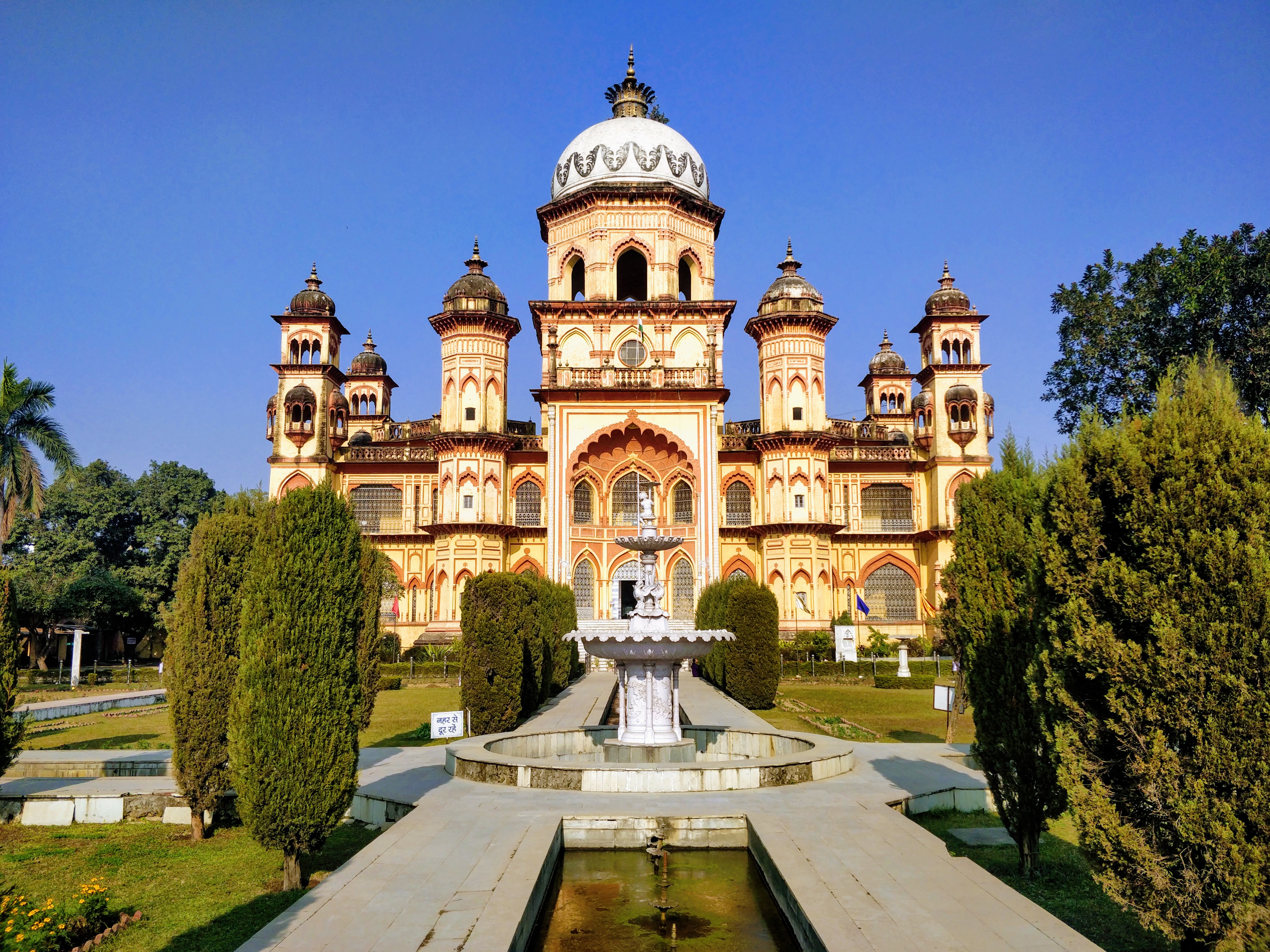 Rampur Raza Library
Is there a major plan for expansion of the library?
On October 15, 2024, we decided to acquire the remaining 43 acres of land of Rampur Fort and use it for academic and research purposes. A world-class translation centre, study institutes, and research centres will be established on this land.
Prime Minister Narendra Modi has praised the project and expressed his best wishes for its success. His message is also included in our vision document.
Nowadays, it seems people are reading less, and the importance of libraries is decreasing. In such a situation, how do you see the future of Rampur Raza Library?
I also said this in the "India-Russia Library Dialogue" held in Russia that the role of libraries is changing now. The main reason for this is that books are available much more easily today than before.
Earlier, to get a specific book, one had to go to the library, look at the catalogue and then find out whether it was available. Today, almost every book can be purchased online. Let me give you an example. In Delhi, there was a Prime Minister's Museum about three to four kilometres from my house, which I used to visit regularly. But later I calculated that for the amount of petrol it costs to go there, I can buy a new book. Therefore, now it has become easier for people to access books.
How is the footfall in the library? Has it increased?
When I took charge here, the number of annual visitors was about 67,000. Now this number has increased to about 145,000. That is, it has increased almost two and a half times in just two years.
What is the main reason for this?
The biggest reason is awareness. Many people in Rampur were not even aware that their city had such a great treasure trove of knowledge. When we organised big programs, news came in the media, exhibitions were held, and various activities started, people became curious. They came here, they saw the building, saw rare manuscripts, observed historical relics and then told others about it. Similarly, the flow of visitors keeps rising.
What is your message for future generations?
I always tell the youth the same thing. The prosperous, peaceful, secure and developed future of the coming generations lies in "Bhi Manisha", not in "He Manisha". If we say that only my way is right and all others are wrong, only my belief is right, and others have no right to live, then this thinking will give rise to hatred, violence and war. This mindset is also at the root of the major crises that are arising in the world today.
ALSO READ: Rampur Raza Library to be digitised under the Talking Book project
What is the message of "Bhi Manisha"?
"Bhi Manisha", says: My belief can also be correct; your belief can also be correct. My philosophy can also be correct in its place; your philosophy can also be correct. My path is also respectable, and your path is good. We can both be the cause of each other's improvement and development by following our own paths.