Every year, Muharram ushers in a new Islamic year. But for Muslims, it is far more than the first month of the calendar. Muharram is a time of reflection on faith, sacrifice, patience, justice, and moral courage. In an age when young people are constantly exposed to shifting trends, digital distractions, and competing influences, the values embodied in Muharram offer timeless guidance. Teaching these values to the next generation is not merely about preserving history; it is about shaping character and strengthening faith.
Friday Musings
Among the most profound lessons of Muharram is the importance of standing firmly for truth. The events of Ashura and the sacrifice of Imam Husayn ibn Ali remind Muslims that principles should never be traded for worldly gain. Imam Husayn chose righteousness over comfort and justice over silence. His life teaches that true success is not measured by wealth, popularity, or power, but by remaining steadfast in what is right, even when the cost is high.
Parents and educators can help children understand that courage takes many forms. Today, standing up for truth may mean refusing to participate in bullying, speaking honestly when others choose deception, or holding fast to Islamic values in environments where faith is challenged. The story of Karbala demonstrates how the conviction of a single individual can inspire generations and leave an enduring legacy.
Muharram also teaches the value of sacrifice. Modern society often celebrates instant gratification and personal comfort, but Islamic history reminds us that meaningful achievements require perseverance and selflessness. Whether striving for academic success, spiritual growth, or service to the community, every worthwhile goal demands effort and commitment. The sacrifices made by the family of the Prophet (PBUH) during the trials of Muharram illustrate how faith often calls for endurance, dignity, and complete trust in Allah.
Another essential lesson is sabr (patience), a virtue repeatedly emphasised in the Qur'an: "Indeed, Allah is with the patient." (Qur'an 2:153)
Young people today face numerous pressures, from academic competition and social media influences to personal and emotional challenges. The stories associated with Muharram teach that patience is not a sign of weakness but a source of inner strength. The ability to remain steadfast in the face of adversity is among the greatest qualities a believer can cultivate.
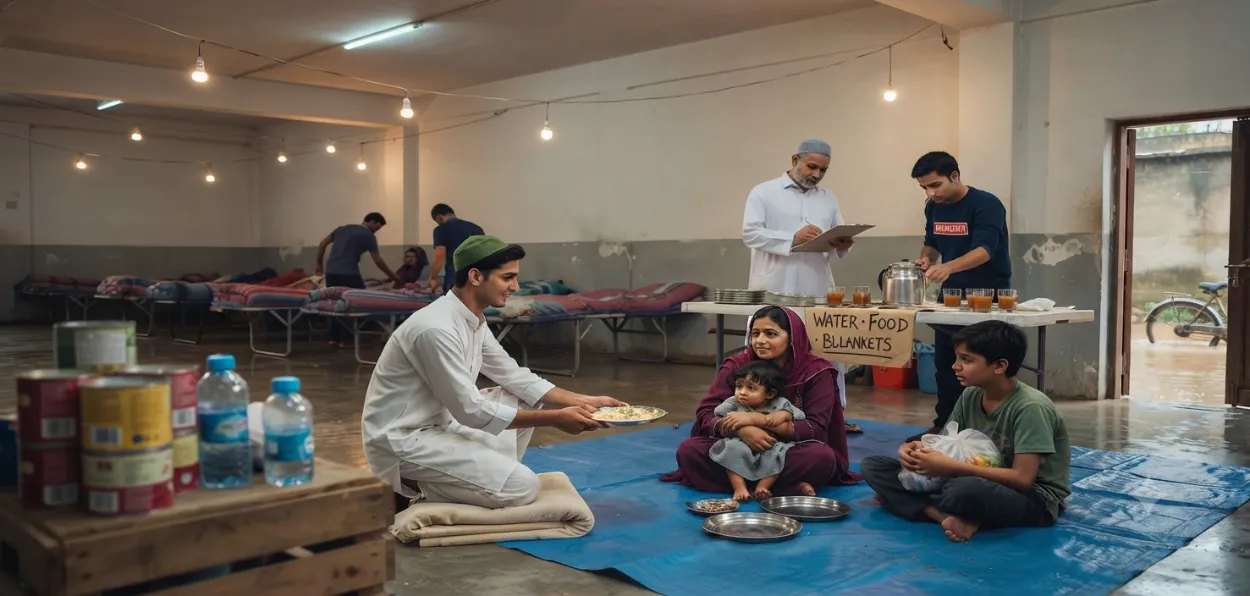
Muharram also provides an opportunity to nurture empathy and compassion. Reflecting on the suffering endured by righteous individuals throughout Islamic history should inspire concern for those facing hardship in the present day. Children can be encouraged to support charitable causes, assist those in need, and develop sensitivity toward the struggles of others. In this way, remembrance is transformed into meaningful action.
Stories have always been powerful tools for teaching values. Rather than presenting Muharram merely as a historical event, parents and educators should share its lessons through thoughtful conversations that connect the past with the realities of modern life. Children are far more likely to internalise values when they see how those values relate to their own experiences and challenges.
By teaching the principles of truth, courage, sacrifice, patience, compassion, and devotion to Allah, we ensure that the spirit of Muharram continues to illuminate hearts and minds for generations to come.
ALSO READ: Rampur Raza Library to be digitised under the Talking Book project
The responsibility of passing on these lessons belongs to every family and community. When young people understand the deeper meanings of Muharram, they inherit not only a rich history but also a moral compass that can guide them through the complexities of contemporary life. In this way, the legacy of Muharram remains alive, shaping believers who are committed to faith, justice, and righteousness.