

Vidushi Gaur/ New Delhi
In workplaces across India, Diwali has increasingly become an occasion for colleagues from different faiths and cultural backgrounds to come together, participate in celebrations and share traditions. From wearing traditional Indian attire and decorating offices with diyas and rangoli to attending pujas and exchanging sweets, these celebrations reflect a culture of mutual respect and shared belonging.
The sight of employees in sarees, kurtas, salwar suits and other traditional outfits, regardless of their religious identities, has become a familiar part of workplace festivities. People help decorate office spaces, arrange festive lunches, distribute sweets and join colleagues in celebrations. Such participation demonstrates how cultural practices can create common ground without requiring everyone to share the same faith.
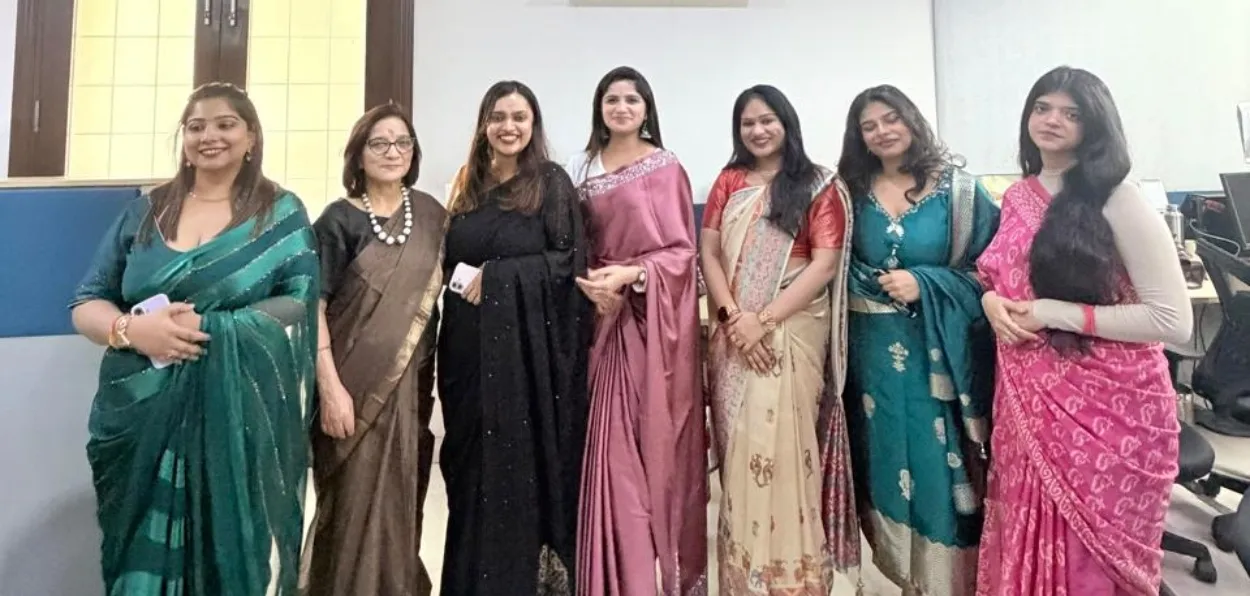
 A still from the Diwali Party at Awaz the Voice
At Awaz-the Voice, the Diwali celebrations offered a glimpse of this inclusive workplace culture. The newsroom, usually occupied with editorial discussions, deadlines and the daily flow of news, took on a festive appearance as colleagues came together to celebrate the occasion.
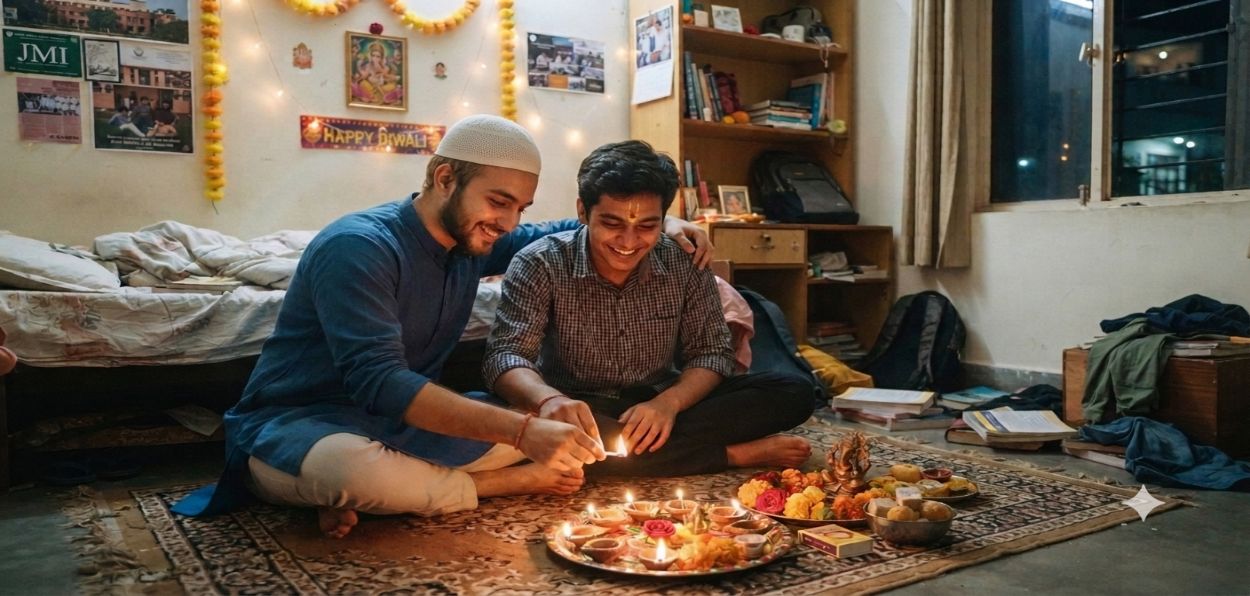
The celebrations began with a puja in the newsroom, in which both Hindu and Muslim employees participated. Colleagues stood together during the rituals, received teeka on their foreheads and tied mauli (sacred threads) around their wrists. Employees also offered money to the deity as part of the puja.
“My experience of actively participating in the Diwali puja was wonderful. I was happy to contribute to the preparations by arranging flowers and helping with the decorations. One of the most memorable moments was having a tilak applied to my forehead, and a kalava was tied around my wrist. I felt a unique sense of happiness and belonging”, shared Ashhar Alam, an employee of Awaz The Voice.
For many, the significance of the occasion lay not simply in the rituals themselves but in the willingness of colleagues from different religious backgrounds to participate in a shared celebration. Hindu and Muslim employees stood alongside one another, exchanging greetings and embracing the festive atmosphere.
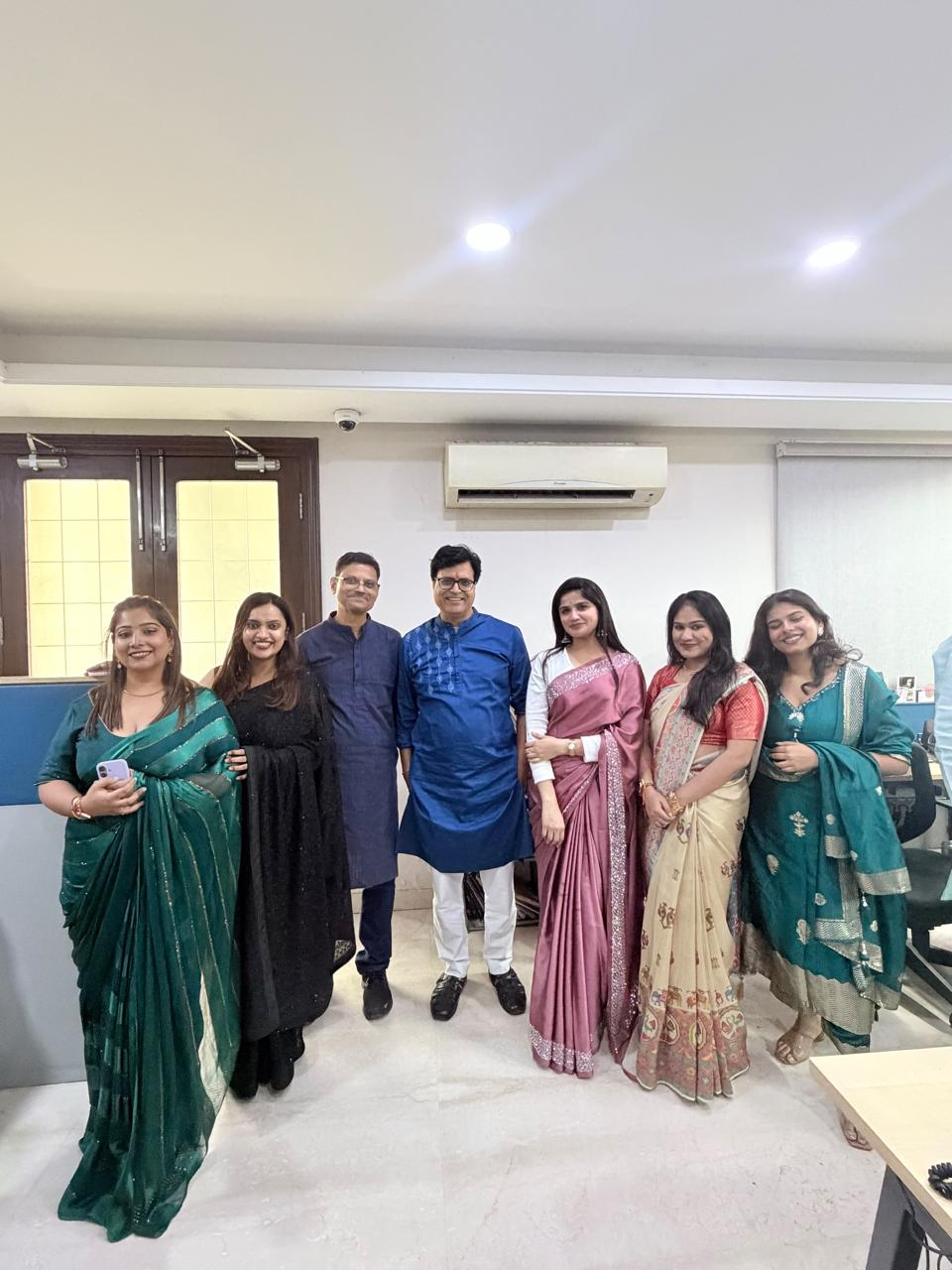
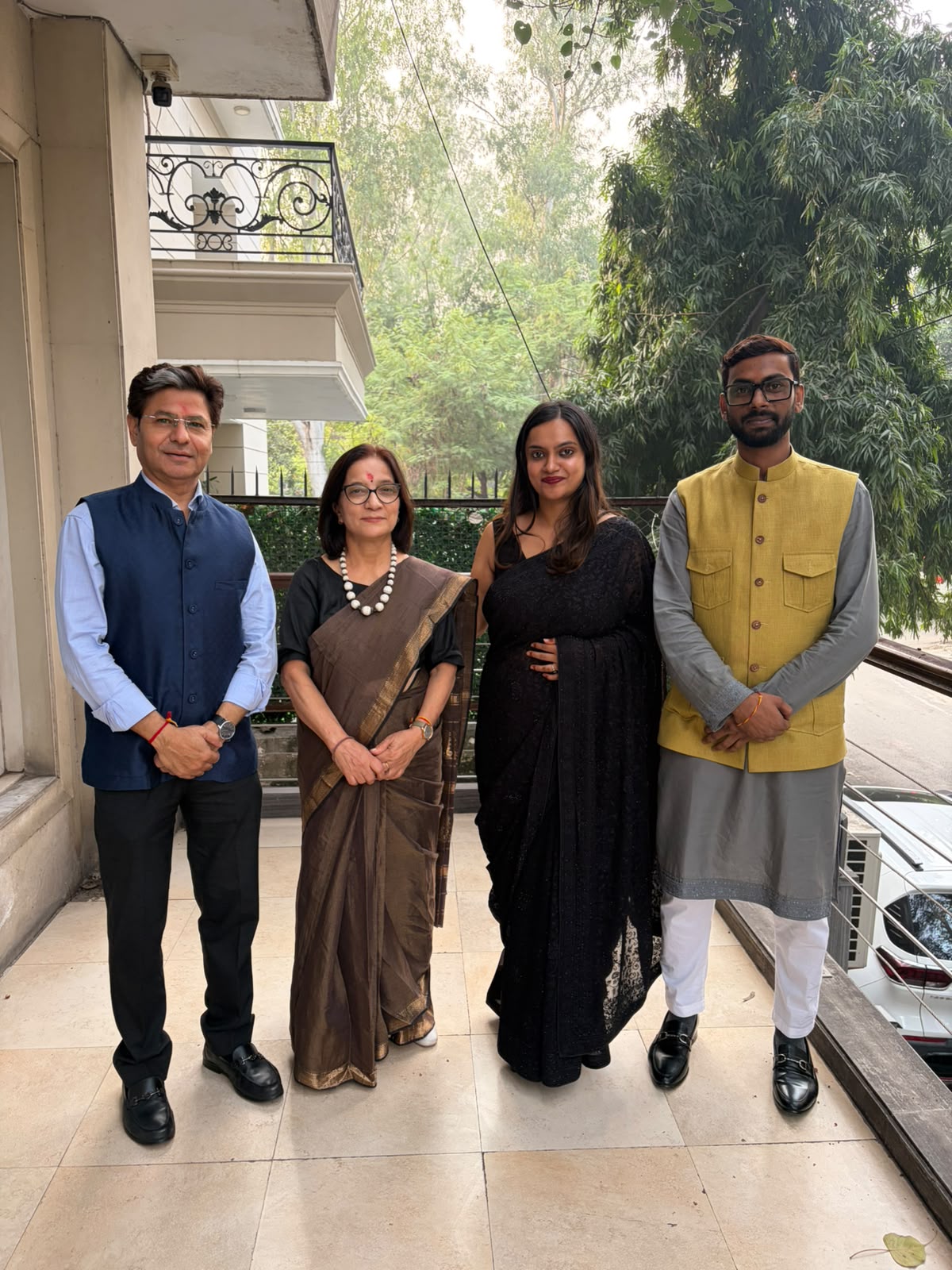 Editor-in-Chief Atir Khan with the English editorial team of Awaz-the Voice
The moment was a reminder that respect for another person's faith does not require abandoning one's own beliefs. Participation can also be an expression of affection for colleagues and an acknowledgement of the traditions that matter to them.
At Awaz the Voice, where conversations around India's diverse communities and shared cultural heritage are part of its editorial work, such moments also carry a special significance. The newsroom celebration demonstrated how the values of coexistence and mutual respect can be practised in everyday life rather than remaining limited to discussions and articles.
“It has been 25 years since I life Bihar where I had the habit of celebrating all festivals together. I have never felt like the colleagues have made me feel in Awaz-the Voice. The feeling is of that of a family”, said M A Hashmi, Editor of the Hindi Vertical at Awaz the Voice.
Similar celebrations take place in corporate offices across India, where Diwali is often marked as a collective cultural event. Employees from different communities take part in decorating workspaces, organising festive activities, exchanging gifts and sharing traditional food.
These celebrations also offer younger employees and those who have moved to another city for work an opportunity to experience traditions beyond their own families and communities. A Muslim employee wearing a kurta, a Christian colleague helping make a rangoli or a Sikh employee joining a festive lunch may appear to be small gestures, but they can help build familiarity and friendship across cultural boundaries.
“Since this is my first office, I have never had an experience of office parties. But Diwali is celebrated here with full spirit and my favourite part is lighting the diyas and dressing up”, said Ayesha, an employee at Creative Group, Chhatarpur.
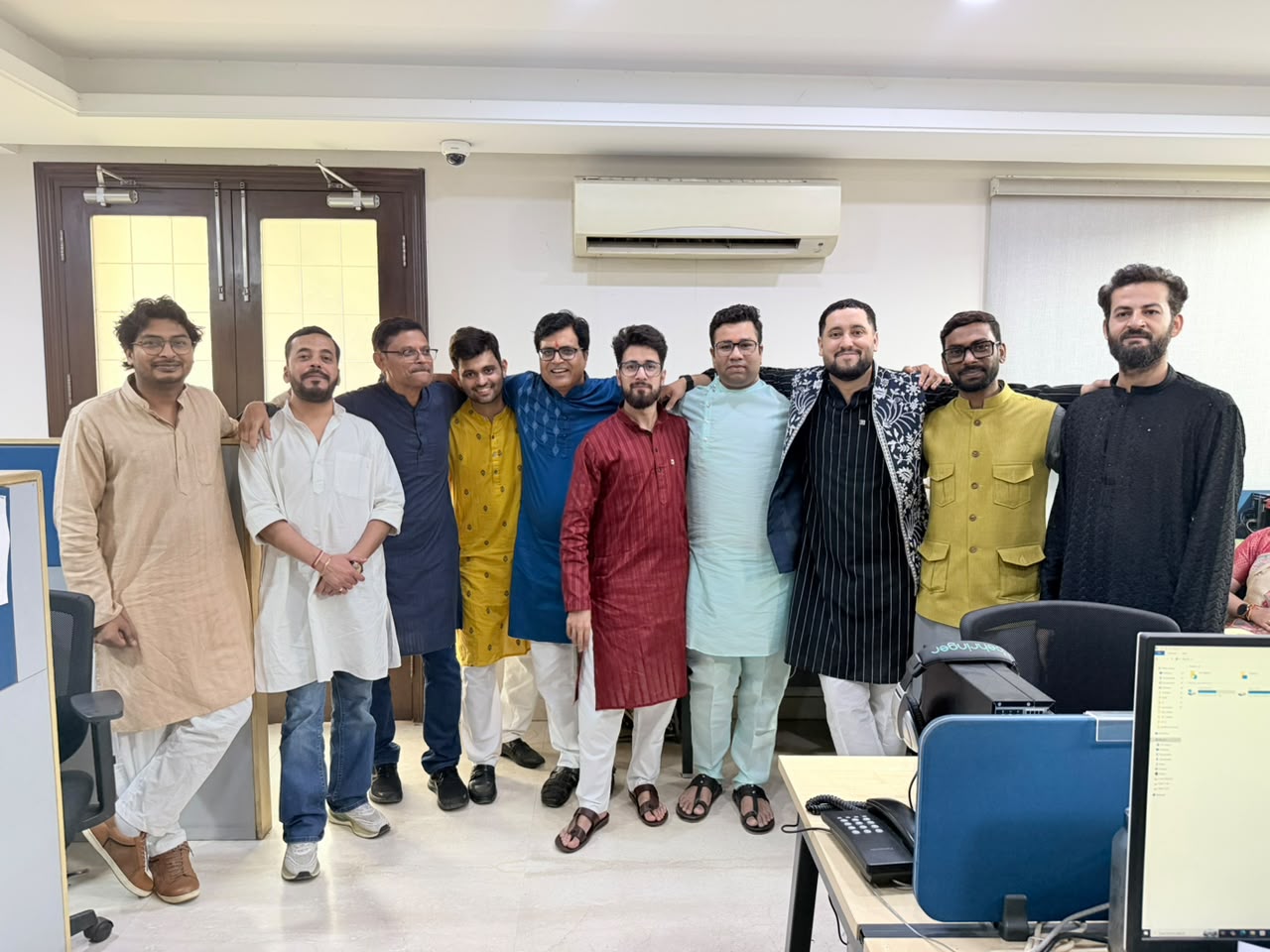 A still from the Diwali Party at Awaz the Voice
Such interactions are particularly meaningful in large organisations, where colleagues may otherwise know one another mainly through meetings, projects and work responsibilities. Festivals create informal spaces in which people can connect as individuals.
However, the spirit of inclusion lies in making participation voluntary. Respecting colleagues also means allowing them to observe the occasion in their own way, without pressure to take part in religious rituals. A truly inclusive workplace makes room for both participation and personal choice.
India's cultural diversity is reflected in its workplaces, where people with different languages, customs, religious practices and regional identities share professional spaces. Celebrating festivals together offers a practical way of recognising this diversity.
Diwali, in particular, provides an opportunity to experience the warmth of shared traditions. The exchange of sweets, festive greetings, traditional clothing and participation in office activities can make colleagues feel valued and included. These gestures may not resolve every social divide, but they can nurture trust and understanding in everyday relationships.
READ MORE: Assam schoolgirl Tanaj Saikia bags 'Legacy of Literacy’ Award'
Ultimately, the meaning of workplace Diwali celebrations goes beyond decorations, gifts or festive lunches. It lies in the ability of people to respect one another's traditions, share moments of happiness and create an environment in which no one feels like an outsider.