




New Delhi
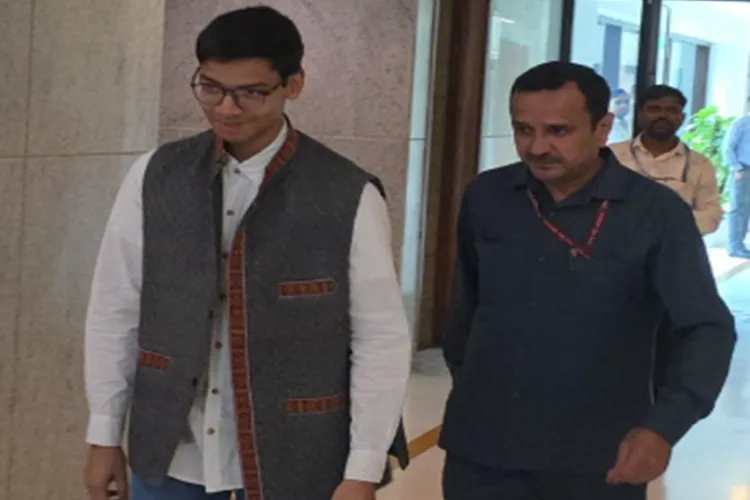
A Class 12 student who has been vocal about issues linked to the Central Board of Secondary Education's (CBSE) On-Screen Marking (OSM) system appeared before the Parliamentary Standing Committee on Education, Women, Children, Youth and Sports on Tuesday to share his observations regarding the evaluation process and the tendering mechanism associated with the system.
According to sources, student Sarthak Sidhant made a presentation before the committee at the Parliament House Annexe. The panel is examining the implementation of the OSM system in CBSE Class 12 examinations and reviewing concerns related to assessment procedures and transparency.
Prior to the meeting, Sidhant claimed that his examination of several CBSE tender documents revealed a number of inconsistencies. He alleged that certain modifications in the tender conditions appeared to benefit a specific service provider.
Speaking to ANI, Sidhant said he had identified multiple irregularities through his analysis. He noted that his research highlighted around 15 points of concern, though he intended to focus on only a few key issues during his presentation.
Among the concerns raised, he pointed to changes in eligibility and performance-related clauses in successive tender documents. According to him, provisions that earlier allowed disqualification of vendors on grounds of poor performance were removed in later versions of the request-for-proposal (RFP) documents. He also referred to alterations involving blacklisting norms, financial eligibility criteria, CMMI certification requirements and project qualification standards.
Sidhant said the study was carried out with the assistance of ethical hacker Nisarg Adhikari and journalists who had been examining the matter. He expressed hope that the discussion would encourage greater openness and accountability in both public procurement processes and educational evaluation systems.
At the same time, he clarified that he was not opposed to the concept of digital evaluation. Instead, he argued that the system should undergo wider testing before being adopted on a large scale.
"I believe the OSM system has potential, but it should be introduced gradually through extensive pilot projects and demonstration exercises before full implementation," he said.
READ MORE: Dr Adeela Abdulla IAS: The officer behind systems that touch everyday lives
Apart from the OSM issue, the parliamentary committee is also reviewing matters related to the implementation of the three-language formula for students in Classes 9 and 10.












.webp)