New Delhi
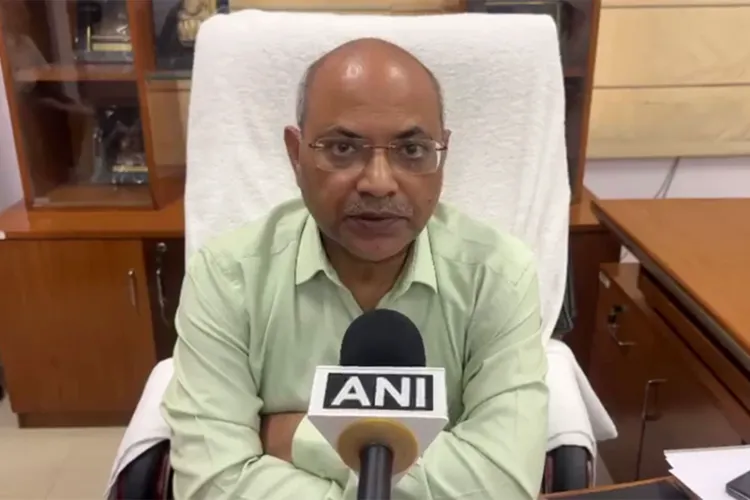
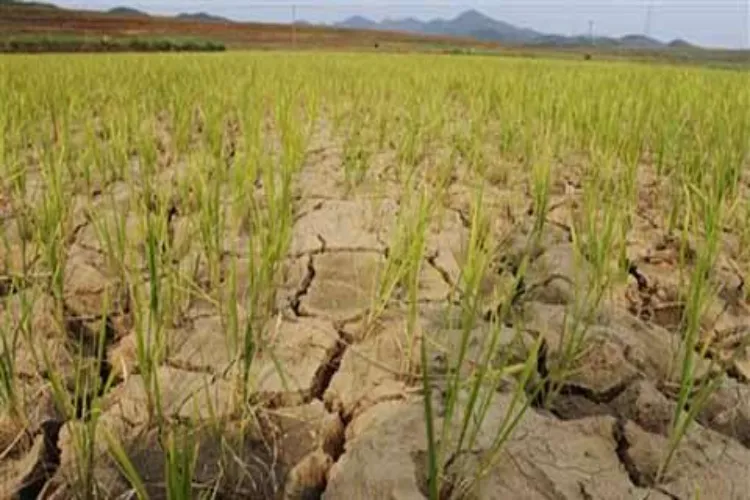
The upcoming rabi (winter) season is likely to be challenging for rainfed areas due to the El Nino weather pattern, and foodgrain production could be affected, Agriculture Secretary Atish Chandra said on Monday.
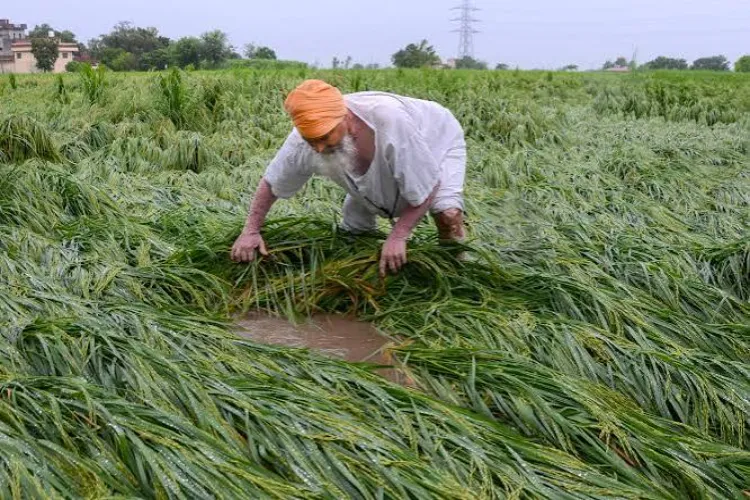
Addressing a two-day national conference on preparedness for the rabi season, Chandra said the kharif season was also very challenging, particularly in rainfed areas. Several States struggled first to achieve crop coverage and later to ensure that the crops survived.
Sowing of rabi crops such as wheat and mustard begins in October.
"We are seeing that in the coming season, production is likely to be affected to a large extent. And the rabi season will also be challenging for the rainfed areas," he said.
Chandra said some states could face the problem of excess soil moisture, while areas with deficient rainfall may see prolonged periods of stress.
Strategies need to be calibrated accordingly for the rabi season, he added.
Calling climate change a reality, he said even irrigated areas have seen untimely and heavy rain in many places, hurting crops.
"We used to think that we will face the challenges of climate change later. But now we see the changes happening, and they are happening at a fast pace," he said.
While India has achieved self-reliance in cereals, it continues to import pulses, oilseeds and some horticulture produce such as fruits, Chandra noted.
Rabi crops are normally sown in a total area of about 638 lakh hectares, out of which wheat is sown in 300 plus lakh hectares, pulses in 140 lakh hectares, oilseeds in 87 lakh hectares and coarse cereals in 55 lakh hectares.
Chandra called for crop diversification to attain self-sufficiency, even as he acknowledged that this would involve hurdles in research practices, climate resilience and farmer incomes.
Diversification, he said, must go hand in hand with sustainable agriculture, which is the government's second priority. Initiatives such as Per Drop More Crop and soil health programmes have been rolled out, but they need to be assessed on the ground, and not merely from the point of view of subsidy disbursal, he said.
He urged state governments to focus on outcomes that improve farmers' incomes.
Chandra identified infrastructure as the third priority, and expressed concern over "a lot of gaps" in both pre-production and post-production facilities. He stressed the need to modernise infrastructure to reduce farm losses.
On market systems, he pointed out that fruits and vegetables have no procurement mechanism, yet both production and markets are expanding on the back of market-led demand. Horticulture growth is now outpacing that of cereals, pulses and oilseeds.
He also said that while reforms have been made, the guardrails built around them prevent them from working in practice, and this needs to be examined.
Highlighting digital agriculture as the most important priority, Chandra said data asymmetry weakens planning. Decisions on rabi, kharif and zaid crops require accurate production and land-coverage data, along with farmer IDs.
The farmer ID initiative is a massive undertaking that the world views as a miracle, and no other country has farmer data at this scale, he said.
READ MORE:Sara Aziz’s investigative quest earns her UK Press honour
Last-mile connectivity has been lost and must be rebuilt by creating farmer IDs, linking them to land records and bringing cultivators into the system, he added.









.webp "Supreme Court of India")