
New Delhi
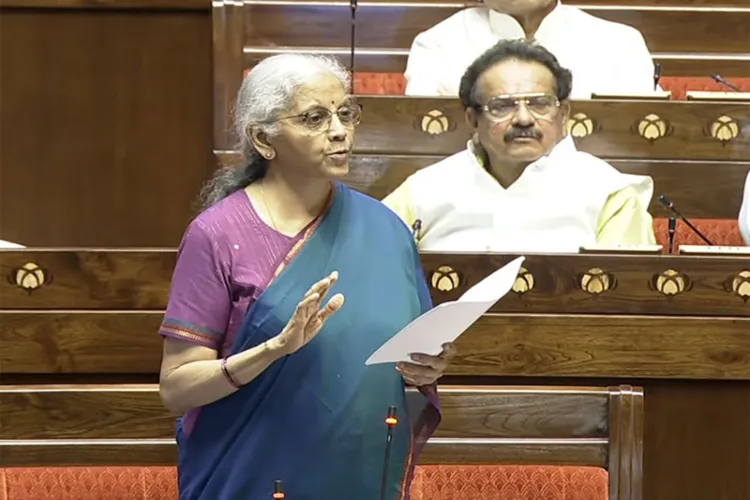
Finance Minister Nirmala Sitharaman on Monday introduced two key bills in the Lok Sabha proposing fresh taxes on tobacco and pan masala to ensure no revenue loss after the GST compensation cess regime comes to an end.
The Central Excise (Amendment) Bill, 2025 seeks to impose central excise duty on tobacco and tobacco products — including cigarettes, cigars, hookahs, zarda and scented tobacco — in place of the existing GST compensation cess. The bill says the move will provide the Centre with “fiscal space to increase excise duty on tobacco and tobacco products to protect tax incidence”.
The duty structure proposed in the bill includes ₹5,000–₹11,000 per 1,000 sticks on cigars/cheroots/cigarettes, 60–70% on unmanufactured tobacco, and 100% on nicotine and inhalation products. Once implemented, tobacco products will attract 40% GST plus excise duty, instead of 28% GST plus cess at present.
Sitharaman also introduced the Health Security se National Security Cess Bill, 2025, which provides for a new cess on pan masala and other notified products. Pan masala will similarly attract 40% GST plus the new cess, effectively replacing the compensation cess.
According to the bill’s objects and reasons, the cess will contribute towards “targeted utilisation for public health as well as national security”. The Centre will have the power to notify additional goods for the levy.
Opposing the introduction, TMC MP Saugata Ray argued that the excise amendment bill makes “no mention of tobacco’s harmful effects” and said the new cess should not be imposed as proceeds are not shared with states.
Under GST, compensation cess was introduced in July 2017 to offset revenue losses of states for five years. It was later extended till March 2026 to repay loans taken to cover compensation gaps during the Covid period. With the loan expected to be fully repaid in December, the cess will be phased out.
The GST Council had earlier decided to retain the cess only on tobacco and pan masala until loan repayment is completed, while ending it for most other luxury items on September 22 during GST rate rationalisation.
READ MORE: Unity Reel Challenge: Showcase India’s unity in 90 seconds and win a bumper prize
The two new bills are designed to ensure that the tax burden on sin goods remains unchanged even after the compensation cess ends, maintaining revenue neutrality for the government.















_(1).webp)