New Delhi
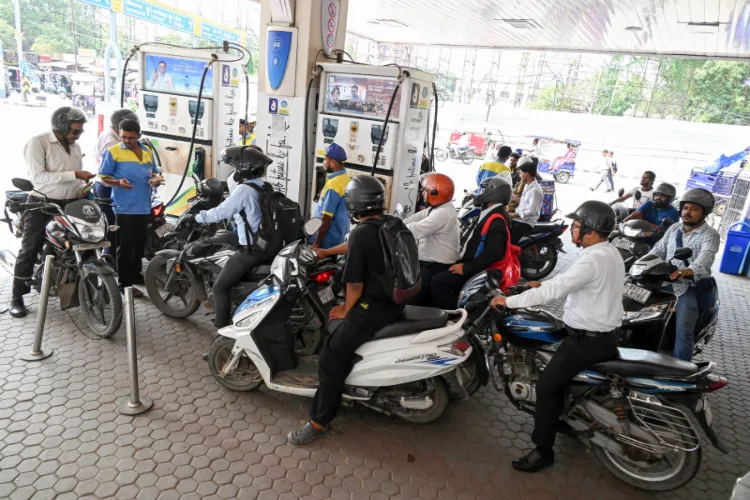
Despite a uniform central excise duty structure across India, petrol and diesel prices continue to vary significantly between states due to differences in Value Added Tax (VAT) and additional levies imposed by state governments.
While the Centre levies the same excise duty nationwide, the final retail fuel price depends largely on taxes charged by individual states. According to reports, BJP-ruled states generally have comparatively lower fuel prices because of moderate VAT rates and fewer local cesses.
On the other hand, several opposition-ruled and INDIA bloc-governed states reportedly impose higher VAT, road cesses and other local levies, resulting in higher fuel costs for consumers.
Following recent revisions in fuel prices by oil marketing companies (OMCs), states such as Andhra Pradesh, Telangana and Kerala remain among the most expensive places for petrol and diesel.
In Andhra Pradesh and Telangana, petrol prices are hovering around Rs 116 per litre due to steep taxation. Andhra Pradesh reportedly imposes a 31 per cent VAT along with an additional Rs 4 per litre levy and a road development cess, taking the overall tax burden close to 35 per cent.
In Kerala, petrol prices have crossed Rs 113 per litre in several areas, influenced by high VAT rates and an added social security cess imposed by the state government.
In comparison, BJP-governed states such as Gujarat, Uttar Pradesh and Haryana have relatively lower petrol prices, generally ranging between Rs 95 and Rs 98 per litre. Delhi, Goa and Assam also continue to witness comparatively lower fuel rates.
The variation in retail fuel prices has become more noticeable after the recent hike by OMCs amid rising global crude oil prices triggered by geopolitical tensions in West Asia. Petrol prices have risen by Rs 4.74 per litre and diesel by Rs 4.82 per litre cumulatively in recent revisions.
The Centre has stated that it reduced excise duties several times to cushion consumers from global energy shocks. One of the major reductions came on March 27, 2026, when excise duty on both petrol and diesel was cut by Rs 10 per litre.
READ MORE: Bakrid 2026: Farmer wishes to sell Rs 15-lakh ‘Crescent Goat’ to Salman Khan
However, several opposition-ruled states did not reduce their corresponding VAT rates after the Centre’s excise cuts. Since VAT is charged as a percentage over the base price, consumers in these states continue to pay higher retail prices for fuel depending on local taxation policies.










.webp "Assam Chief Minister Himanta Biswa Sarma")
.webp "Prime Minister Narendra Modi")