New Delhi
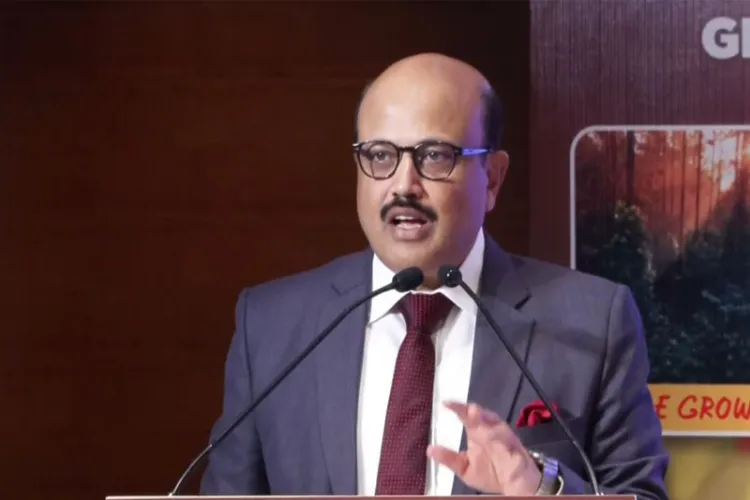
India’s chief negotiator and Special Secretary in the Department of Commerce, Rajesh Agrawal, said on Monday that discussions between India and the United States are progressing toward a formal trade pact.
Briefing reporters while releasing January trade figures, Agrawal stated that virtual consultations with the US are ongoing and that he will lead an Indian delegation to Washington next week. The visit, he said, aims to finalise the legal framework required to operationalise the proposed agreement.
In addition to the US talks, Agrawal noted movement on the proposed India–Canada Free Trade Agreement, saying teams from both sides are currently working to conclude the terms of reference.
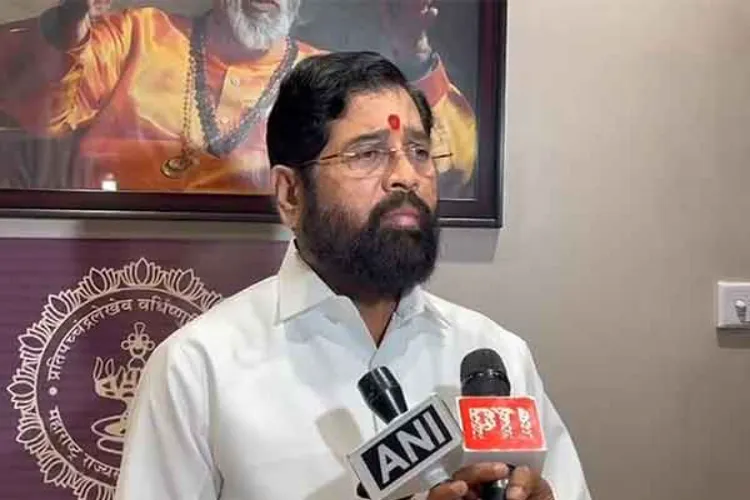
Earlier this month, speaking to ANI during BIOFACH 2026, Agrawal had indicated that India hopes to complete and sign the legal text for the interim trade arrangement with the US before the end of March. He explained that while a joint statement has already outlined the broad contours of the interim pact, those understandings now need to be translated into a binding legal document.
He acknowledged that drafting language acceptable to both sides can sometimes take longer than expected but said officials are targeting March to make the agreement operational.
Discussing sectors likely to benefit, Agrawal pointed to India’s strength in labour-intensive industries. He said the US has traditionally been a key destination for such exports and that the interim framework could help these sectors expand further.
Responding to concerns about an 18 per cent tariff ceiling, Agrawal argued that competing nations in the same region face even higher tariff levels. He suggested that as tariffs are passed on to consumers and businesses, Indian exporters would still enjoy stable market access and remain competitive.
He expressed confidence that exporters would regain and strengthen supply chains, particularly those affected during peak festive seasons such as Christmas, and that Indian exports would continue to grow in the coming years.
On sensitive sectors such as dairy, agriculture and fisheries, Agrawal stressed that India maintains a firm negotiating stance. He said the government does not open markets in areas where farmers or vulnerable communities could be adversely affected. Citing recent trade agreements concluded over the past year, he said all key sensitive segments had been safeguarded. In cases involving limited imports, India has used tariff rate quotas (TRQs) to cap access and prevent disruption to domestic producers.
According to Agrawal, stakeholders and industry representatives have reacted positively to the interim agreement. He said the government held extensive consultations with ministries and business groups throughout the negotiations and that industry feedback has been supportive. Given the global environment of reciprocal tariffs, he described the interim arrangement as beneficial for India and its exporters.
Commenting on January trade performance, Agrawal said India continues to hold steady in both merchandise and services exports, with services performing particularly strongly. He indicated that the official data release would reflect a positive trend.
READ MORE: Neerja Mattoo for popularising Kashmiri mystic poets
India is also participating as the “Country of the Year” at BIOFACH 2026 in Nuremberg, Germany, where it is presenting its organic sector through a large pavilion featuring 67 co-exhibitors representing more than 20 states.