New Delhi
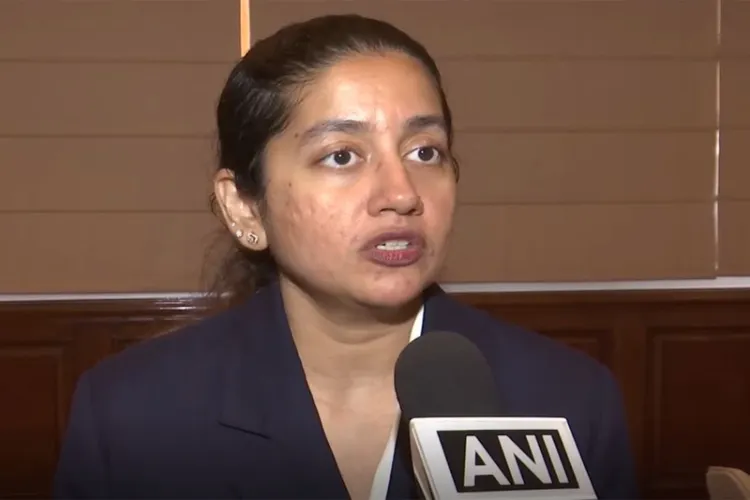
India is increasingly moving beyond short-term geopolitical risk management and adopting a broader strategy aimed at strengthening its economic foundations against future global and domestic disruptions, according to Deepa Kumar of S&P Global.
Speaking on the sidelines of the India Research Chapter event in New Delhi, Kumar, who heads Asia-Pacific Country Risk and co-leads the India Research Chapter at S&P Global, said the country is entering a phase where policy planning is no longer limited to handling immediate external shocks.
She said India is now evaluating medium- and long-term policy frameworks designed not only to address current geopolitical and economic uncertainties, but also to create stronger safeguards against future crises that may emerge both internationally and within the domestic economy.
According to Kumar, this evolving strategy is being built around two central themes — self-reliance and strategic diversification.
Explaining the first pillar, she noted that India is actively exploring ways to build greater domestic strength in critical sectors so that supply chains and economic activity remain stable during periods of global disruption.
At the same time, she stressed that complete economic isolation is neither practical nor desirable, making strategic partnerships equally important.
“There is nothing or no one in the world that can manage everything only domestically. You do need alliances, you do need partners,” Kumar said.
She pointed out that India has increasingly been using free trade agreements as strategic instruments to deepen economic engagement with partner nations, citing ongoing trade negotiations with countries in Asia, Latin America, Africa, as well as the United States.
Kumar observed that modern trade agreements now extend far beyond tariff reductions and merchandise trade, focusing instead on broader institutional and operational alignment between economies.
“They are not simply FTAs that are negotiating goods trade,” she said, adding that such agreements are now aimed at harmonising regulatory systems and operational frameworks to enable deeper strategic cooperation.
She also highlighted the growing importance of services trade and overseas employment opportunities for Indian workers within these negotiations, noting that remittances continue to play a significant role in India’s economy, contributing roughly 3.5 per cent to GDP.
Addressing geopolitical risks in West Asia, Kumar said India has already begun implementing measures to reduce supply vulnerabilities by diversifying sourcing channels and negotiating necessary exemptions in sanction-sensitive areas.
She added that policymakers are simultaneously working to shield consumers from inflationary pressures in sectors such as LPG and transportation, even as fiscal pressures remain a challenge.
READ MORE: West Bengal Polls: BJP makes dent in TMC stronghold of Muslim-majority districts
Despite ongoing global uncertainties, Kumar said India is projected to expand by 6.6 per cent in the current financial year, maintaining its position as the world’s fastest-growing major economy.










.webp "Himachal Pradesh PWD Minister Vikramaditya Singh")

_(2).webp)