




Sukma
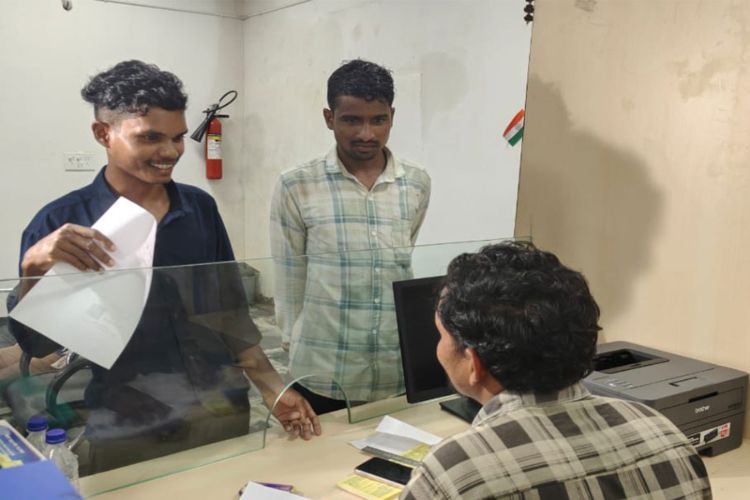
Jagargunda, a village in Chhattisgarh’s Sukma district once famed as Asia’s largest tamarind market, is witnessing a major turnaround with the reopening of a nationalised bank after decades of Naxal unrest.
The Indian Overseas Bank branch in Jagargunda had been destroyed by Naxals in 2002, when its vault was blown up and cash looted. For years, the village remained under Naxal influence, leaving residents to travel 60–70 kilometres to access basic banking services. The restoration of the bank signals a significant step toward economic empowerment and improved financial inclusion.
Chhattisgarh Chief Minister Vishnu Deo Sai highlighted the shift, saying, “Jagargunda was famous for its tamarind market, and the bank here was destroyed by Naxalites. Today, people no longer have to travel long distances for banking. Over 600 residents have already opened accounts and are receiving government scheme benefits directly.”
Bastar Range IG Sundarraj P noted that anti-Naxal operations, along with developmental initiatives, remain a priority. “Restoring banking services is part of broader efforts to revive trade, commerce, education, and healthcare, and create opportunities for youth in the area,” he said.
The bank’s assistant manager, Shankar, explained that the branch now serves 14 nearby villages, many of which are extremely remote. “We are actively educating people about banking and helping them open accounts to access government benefits. None of this would have been possible without strong government support,” he added.
Jagargunda Sarpanch Nitya Kosma recalled the hardships residents faced in the past, from lack of education and healthcare to difficulties accessing ration and banking services. She said the village’s connection to development has strengthened since her election, noting that the bank’s reopening is a “symbol of hope” for the community after years of disruption caused by Naxal violence.
ALSO READ: Kabir Khan's film on the Taj Mahal turns into India's soft power
The revival of Jagargunda, marked by the return of banking and financial access, is being seen as a pivotal step toward restoring its historical significance as a centre of trade and economic activity.














.webp)

.webp)


_(1).webp)