New Delhi
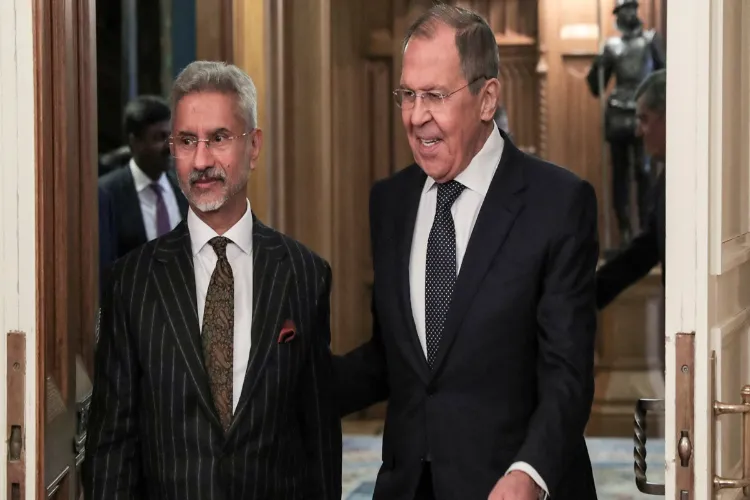
External Affairs Minister S Jaishankar on Saturday described India’s partnership with Russia as one of the most stable among major global relationships over the past seven decades. He said that President Vladimir Putin’s recent two day state visit to India has helped reimagine the bilateral engagement by strengthening areas that had not developed at the same pace as others, especially economic cooperation.
Speaking at the HT Leadership Summit 2025, Jaishankar said the visit addressed long standing imbalances in the relationship. He noted that while defence and energy ties between the two countries have traditionally remained strong, the economic side has not grown proportionately.
The minister observed that India’s relations with the United States and European nations have evolved significantly in recent years, particularly in economic sectors, although the defence and security elements in those relationships have not matched that pace.
He said that despite global fluctuations in international politics over the last seventy eight years, New Delhi and Moscow have been among the most consistent big power relationships. Jaishankar added that public sentiment in India reflects a deep rooted sense of affinity toward Russia.
He explained that it is common in international ties for some areas to progress faster than others. Using the United States as an example, he noted that economic relations advanced rapidly in the 1980s, 1990s and 2000s until the nuclear agreement. In contrast, ties with Europe are strong overall but not equally developed in the defence and security space. In the case of Russia, he pointed out that Moscow historically viewed the West and China as its primary economic partners and therefore economic engagement with India did not keep pace with other sectors. According to him, Putin’s latest visit was about expanding the partnership and adding new dimensions where growth was needed.
Jaishankar also spoke more broadly about India’s foreign policy, saying that New Delhi aims to strengthen its major relationships and safeguard its freedom of choice on the international stage. He said that for a country rising in global importance, it is essential to maintain strong cooperation with as many key players as possible.
Rejecting suggestions that Putin’s visit was directed at sending a message to Western countries, the foreign minister said that the focus was on what the visit meant for New Delhi and Moscow, not Washington or European capitals.
He highlighted important outcomes of the summit, including a mobility agreement that would allow Indian workers improved access to employment opportunities in Russia and an agreement to establish a large joint venture in the fertiliser sector. He said that India, as the second largest fertiliser importer in the world, needs stable supply sources, and the new collaboration is therefore directly linked to food security.
According to the joint statement released after the twenty third India Russia Summit, both countries welcomed the signing of agreements to facilitate the mobility of skilled workers. They also expressed interest in strengthening educational and scientific cooperation through joint academic programmes, enhanced research initiatives and specialised international exhibitions and seminars.
Both sides supported measures to secure long term fertiliser supplies for India and discussed joint ventures in agriculture and fertilisers under a new Memorandum of Understanding involving JSC UralChem, Rashtriya Chemicals and Fertilisers Limited, National Fertilisers Limited and Indian Potash Limited.
ALSO READ: Lucknow taught me beauty of living amid myriad religious traditions
Putin concluded his first state visit to India in four years on Friday. The visit has been viewed as a significant step in reinforcing the comprehensive strategic partnership shared by the two countries.

.png)





.webp "Vice President C P Radhakrishnan at Ekta Nagar, Gujarat")
.webp)