Arsla Khan
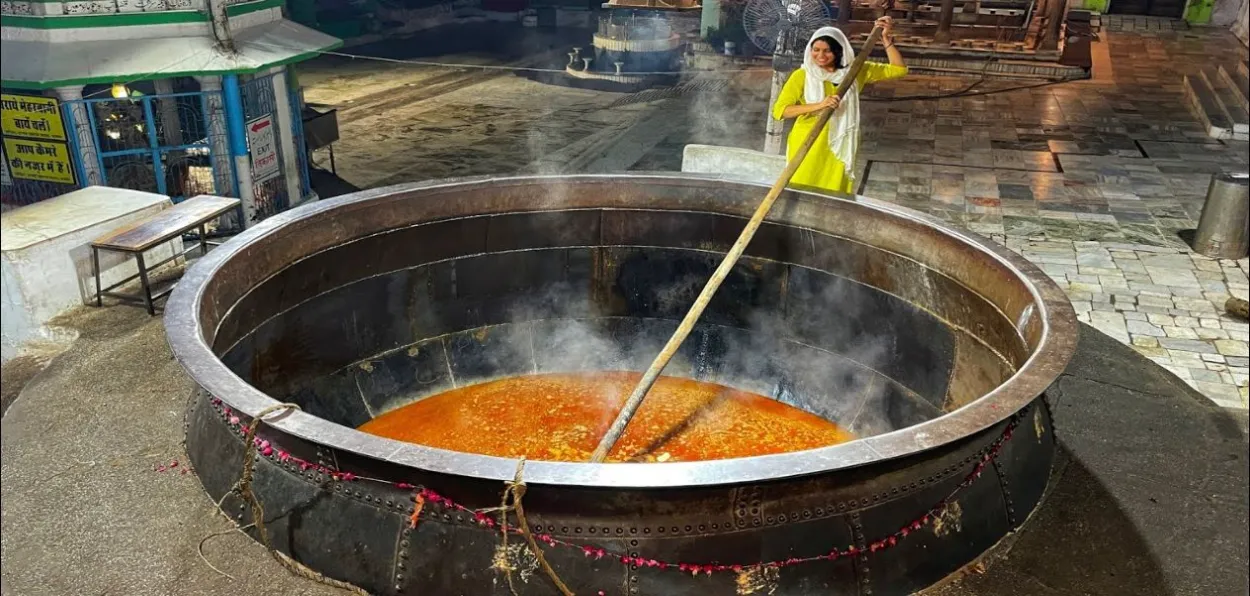
The Ajmer Sharif Dargah is not just a center of faith, but a spiritual land where humanity, equality, and brotherhood permeate every moment. For centuries, this shrine of Khwaja Moinuddin Chishti has been a source of spiritual energy and the seat of social harmony. The large and small pots placed at this sacred site are not just iron or copper vessels, but symbols of a tradition of Hindu-Muslim unity that every visitor gazes at with reverence.
The tradition of the deg
The Ajmer Dargah houses two large and two small pots, so large that they can cook food for hundreds of people at a time. The khichdi and pulao prepared in these pots are not just food, but a message, ripe with time and history, of equality, inclusion, and humanity's shared heritage. Every offering, every prayer, and every prayer placed in these pots reminds us that everyone who enters Khwaja Sahib's shrine is equal, regardless of their religion, caste, language, or country.
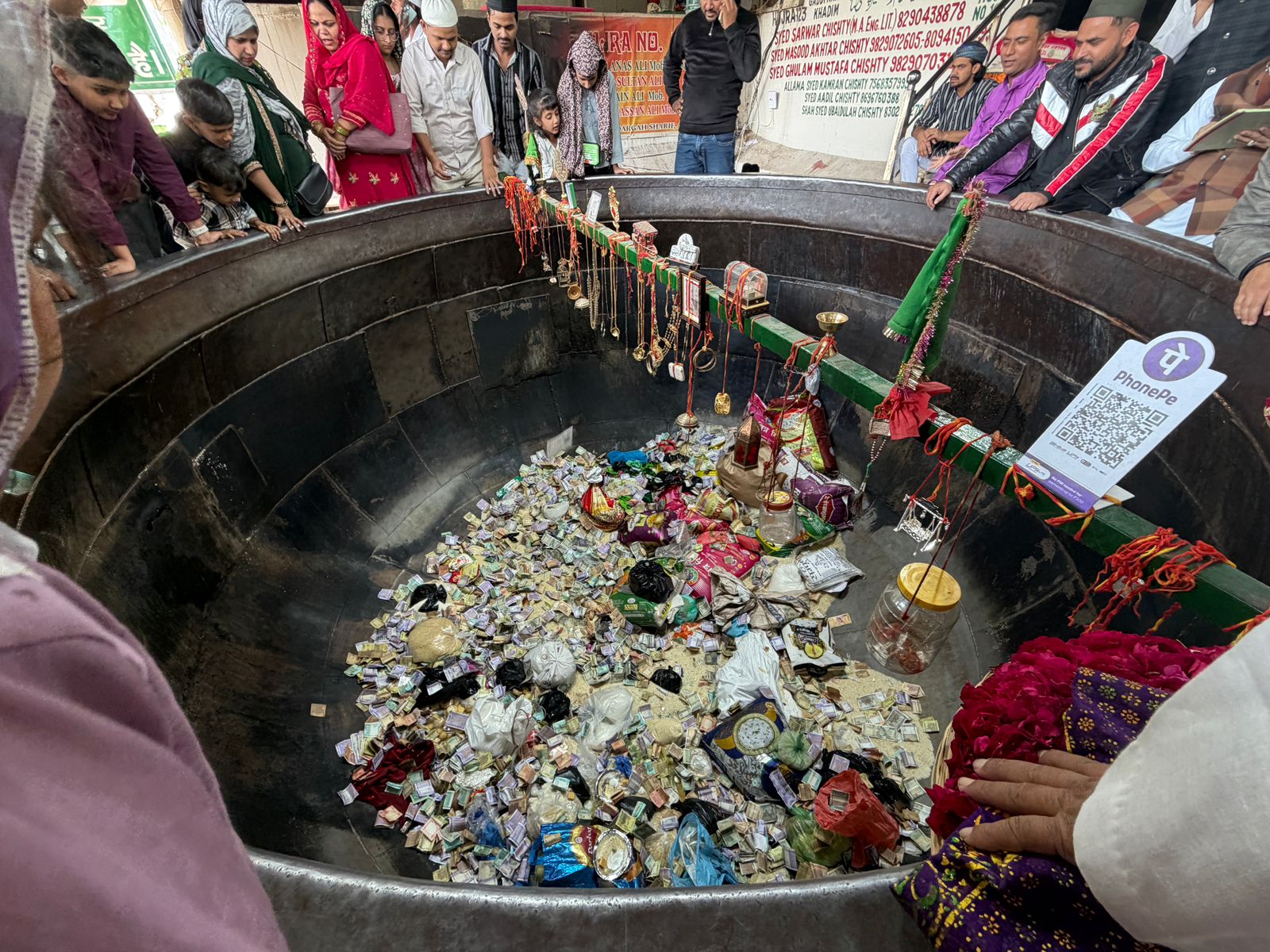 Offering ceremony around the Deg
The rituals of cooking in Ajmer's degs are not limited to any one religion. Interestingly, people from all communities—Hindus, Muslims, Sikhs, and Dalits—take part in the preparation of the food cooked in the degs. Everyone offers the ingredients or money that go into making the consecrated food for distribution; the food cooking in the hallowed premises is distributed among all those present. As the refrain one can often hear inside the Dargah goes "Deg khwaja ki, seva sabke (Deg belongs to Khwaja Moinuddin Chishty, it service to all)
This is why, when a Hindu offers ingredients at the Deg offering ceremony, Muslim attendants accept it with as much reverence as they would do to a dressed-up Muslim visitor. This ritual of meeting at the Deeg sends a silent message -- religion is not a wall, but a bridge.
Deg-cooked food
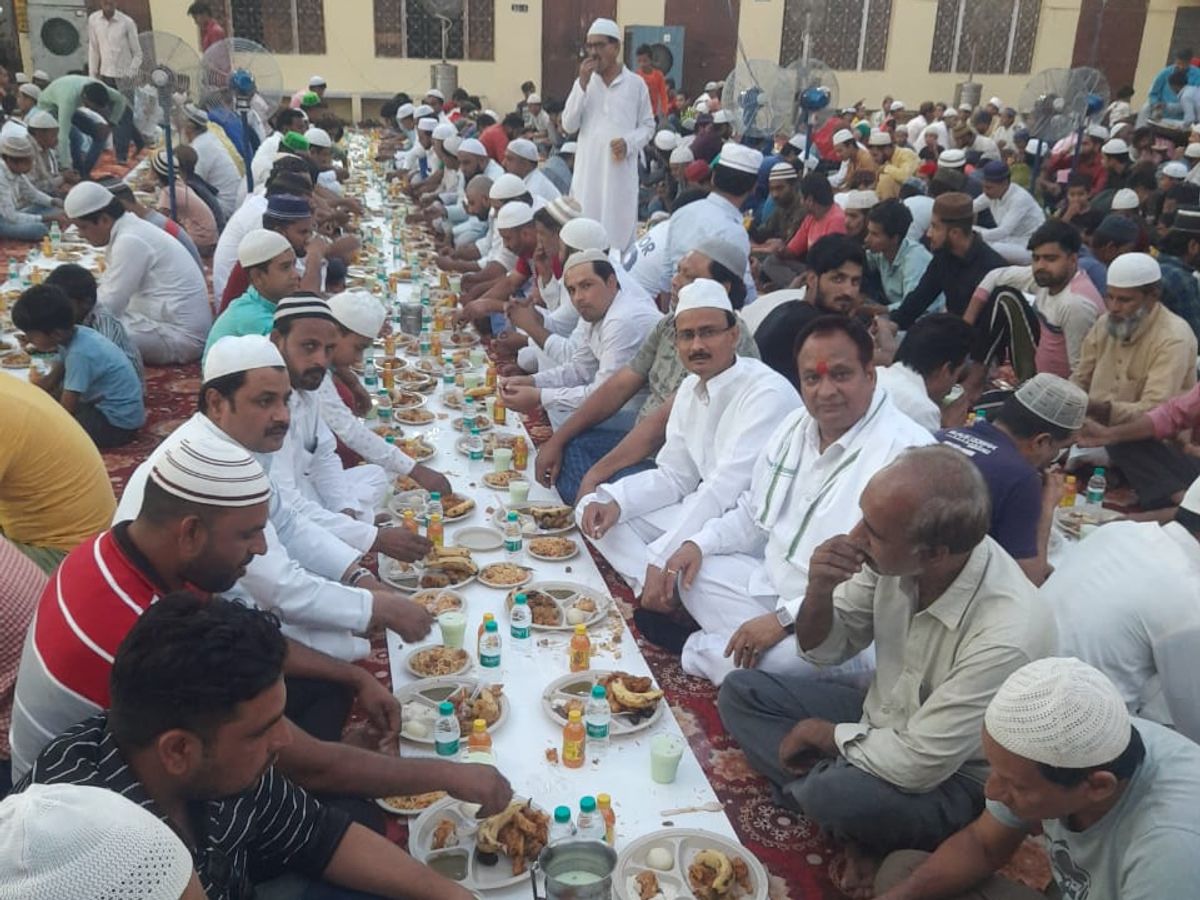
The most beautiful sight is when, after the deg is offered, the food cooked in it is distributed to everyone present in the courtyard of the dargah. Here, no queues are formed based on religion, nor is there any difference in anyone's plate.
 People of all religions eat Khichri cooked in Deg at Ajmer Sharif dargah
Difference of religion disappear
Food from the same deg is served to Hindus, Muslims, Sikhs, and Christians. It has often been seen that one family is Hindu and the other Muslim, but after eating the deg, both families feed each other's children the first bite. This is a scene where religious boundaries dissolve.
Akbar’s association with shrine
The history of the pots also tells the story of Hindu-Muslim unity. It is said that whenever Emperor Akbar set out on a campaign, he would first visit Ajmer Sharif to offer a pot. He was the one who installed the largest pot at the shrine. Akbar himself would walk barefoot to the shrine, bring along members from both Hindu and Muslim communities, offer the pot, and then distribute food among all. Centuries have passed, but this tradition remains intact. The khichdi cooked in Akbar's pot still carries the aroma of devotion and brotherhood, as well as the times.
Ganga-Jamuni culture
The aroma of food cooked in Ajmer's pots is not just the aroma of food, but of India's Ganga-Jamuni culture. During the ritual of offering the pot, many Hindu women offer turmeric and rice with their own hands, while Muslim khadigars (servants) recite prayers before offering the pot.
Food and food for thought
Those seeking the food cooked at Dargah are from all walks of life: the poor, the rich, Hindus, Muslims, Sikhs, and Dalits. The taste of the food cooked in the Deg is no different, but its message reaches each person in a different way. For some, it is the joy of a wish being fulfilled, for others, the hope of a new beginning in life, and for others, it is an opportunity to realize that humanity transcends religion.
ALSO READ: Lucknow taught me beauty of living amid myriad religious traditions
As people stand around the deg in the courtyard of the Dargah and pray, one feels that humanity is the greatest religion at Khwaja's shrine. Here, brotherhood isn't a chapter in a book, but a daily experience. Food from the deg doesn't just fill the stomach; it fills the heart with love, respect, and unity.







.webp)