Saniya Anjum
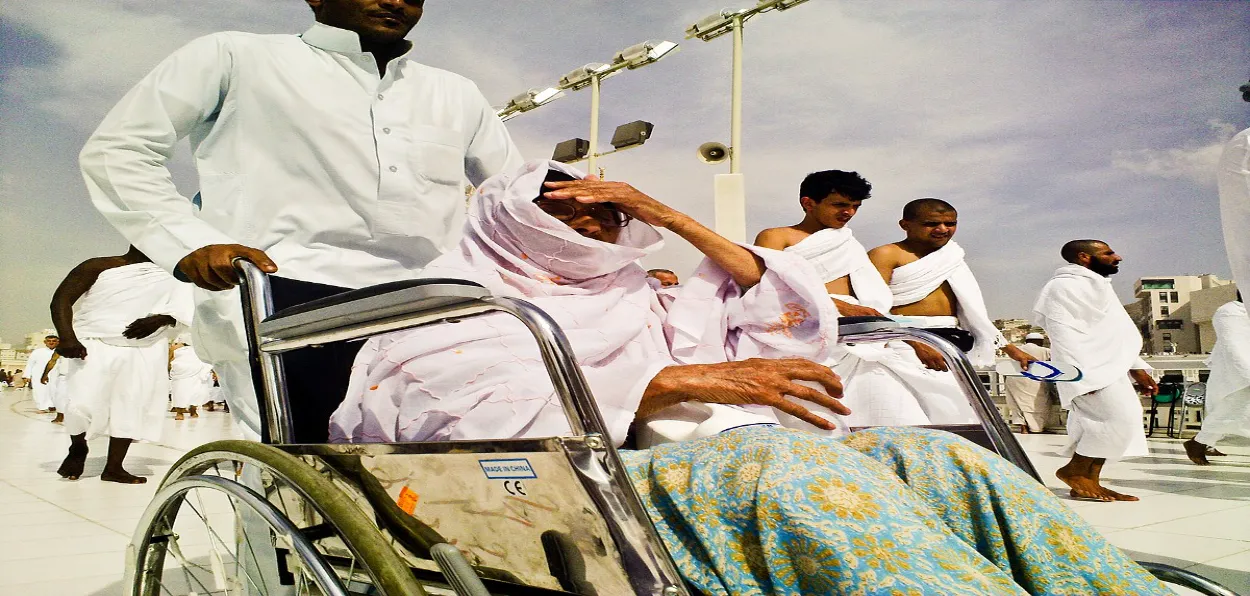
For Muslims, conversations around inclusion are not borrowed from modern rights-based discourse; they are deeply rooted in our sacred tradition. Long before disability rights were articulated in legal frameworks, the Qur’an and the Sunnah established a moral vision grounded in dignity, justice, and compassion for every human being, regardless of physical or cognitive ability.
Islamic ethics begins with the principle that “We have certainly honoured the children of Adam” (Qur’an 17:70). This divine honour is unconditional, rooted in humanity rather than physical perfection or societal productivity. The Qur’an also explicitly acknowledges individuals with disabilities in communal obligations and social matters (Qur’an 24:61), correcting any assumptions that disability diminishes a person’s spiritual or communal worth.
The Prophet Mohammed reinforced this ethic in action. He repeatedly taught that Allah judges people not by their outward form but by the sincerity of their hearts. His interactions with companions with differing abilities, whether blindness, mobility impairments, or other conditions, were marked by respect, inclusion, and empowerment. The values of justice, mercy, and mutual support place a clear communal duty on Muslims: ensuring that every member of society has equal opportunity to contribute and flourish. Accessibility, therefore, is not merely logistical; it is spiritual.
The life of Abdullah ibn Umm Maktum stands as one of the most powerful early examples of Islamic inclusion. Despite being blind, he was appointed mu’azzin and entrusted with calling the community to prayer. More strikingly, the Prophet ﷺ twice appointed him as governor of Madinah during his travels, an explicit affirmation that leadership and ability are measured by piety, integrity, and capability, not eyesight or physical strength.
In the modern era, empowerment continues through the use of adaptive technologies, inclusive policies, and shifting attitudes. Paralympians breaking world records, visually impaired scientists leading research teams, and deaf entrepreneurs establishing businesses challenge old stereotypes. Globally, the assistive technology sector, from AI-based reading tools to advanced prosthetics, continues to create opportunities for independence and excellence.
In recent years, India has seen inspiring achievements, including civil service toppers with visual impairments, wheelchair athletes representing the nation, and strong disability-rights advocacy movements demanding accessibility as a right, not a charity. These successes highlight how inclusion unleashes human potential rather than limiting it.
The Rights of Persons with Disabilities (RPwD) Act, 2016, has expanded the recognised categories of disability and increased reservations in education and employment. Schools and universities are incorporating sign-language interpretation, assistive devices, and inclusive classrooms.
Infrastructure in major cities, from metro systems to public spaces, is slowly adopting universal design elements. Government initiatives such as Accessible India (Sugamya Bharat) have pushed for ramps, tactile paths, accessible washrooms, and digital accessibility across platforms.
Representation in Indian cinema, media, and public campaigns has also broadened, portraying persons with disabilities through narratives of agency rather than pity. However, significant gaps persist, especially in rural regions where access to healthcare, mobility aids, and education is limited. Social stigma continues to be a major barrier, particularly for women and children with disabilities. These challenges highlight the need for sustained cultural change, beyond policy implementation. Inclusion requires both structural support and a shift in public consciousness.
A powerful modern example is the 2024 appointment of Dr Shivani Gupta to the National Human Rights Commission’s Advisory Committee on Disability. As a wheelchair user and long-time accessibility advocate, her appointment is widely celebrated as a turning point in institutional inclusion. She has been instrumental in shaping guidelines for accessible public transportation, workplace adjustments, and disaster management responses for persons with disabilities.
Her inclusion at a national level illustrates how representation changes policy outcomes. It signals that lived experience is not a limitation; rather, it is essential expertise.
Inclusion is not a gesture of kindness; it is a recognition of shared humanity. When persons with disabilities participate fully, communities become stronger, more innovative, and more empathetic. Accessibility benefits everyone, including parents with strollers, elderly individuals, people with temporary injuries, and those navigating crowded environments.
We can contribute by using respectful, person-first or disability-affirming language, ensuring accessibility in schools, workplaces, events, and online platforms, advocating for accommodations rather than assuming they are burdensome, supporting policies and community programs that centre disabled voices, and listening to and amplifying the experiences of persons with disabilities.
From an Islamic lens, this is a righteous action. It mirrors the Prophet’s commitment to elevating the marginalised, removing barriers, and upholding equity. For me personally, engaging with vulnerable communities has taught me that disability is not an individual’s “limitation” but often society’s failure to create enabling spaces. Writing about this is my way of encouraging a collective shift toward empathy, accessibility, and justice.
ALSO READ: Lucknow taught me beauty of living amid myriad religious traditions
This International Day of Persons with Disabilities is a reminder to uphold these values daily, ensuring that dignity, equity, and inclusion are lived realities, not yearly slogans.

_(1).jpg "Visitors gather at the Santosh Mitra Square Durga Puja pandal, themed on the 150th anniversary of Vande Mataram and its historic role in India's freedom movement, ahead of the festival, in Kolkata")
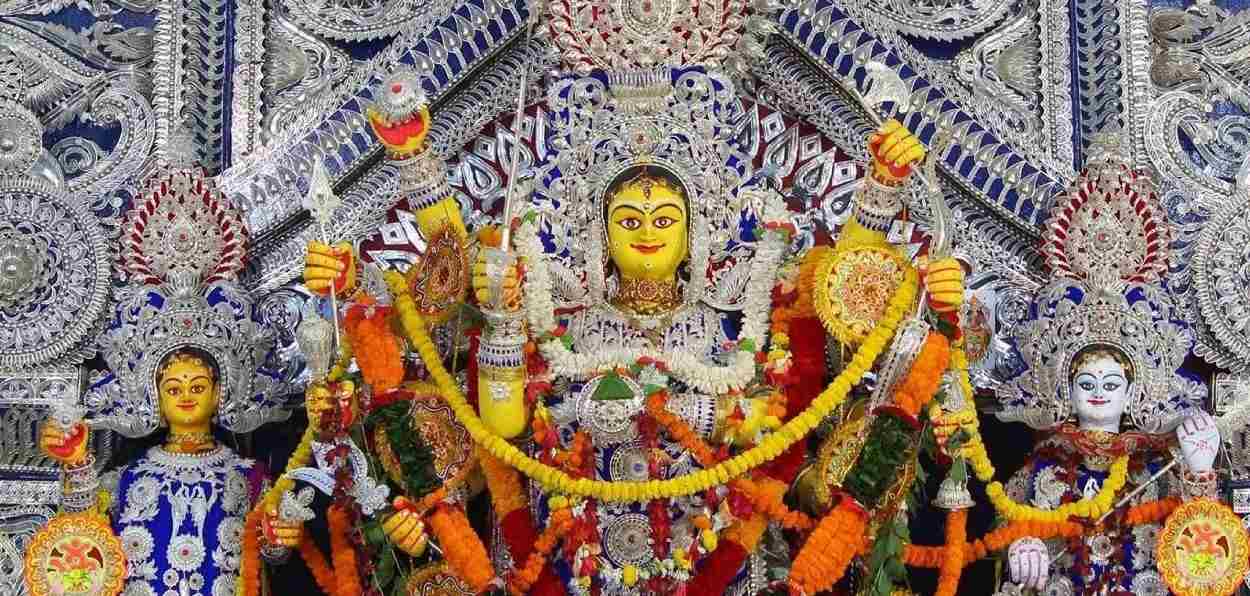
.jpg "Gujarat’s women entrepreneurs bring their craftsmanship to life during Navratri")






.webp)